Your parent still mows the lawn. They still drive to the grocery store. But something has quietly shifted. The walks around the neighborhood stopped a few months ago. The crossword puzzles sit unfinished on the kitchen table. Sunday dinners have gotten quieter. Nothing is wrong, exactly, but nothing is building them up, either.
This is the gap that wellness programming in senior living is designed to close. Not just keeping someone safe or managing medications, but actively supporting the kind of health that shows up in energy, confidence, connection, and purpose. If you're exploring assisted living near Forest Hill, TX, memory care in Benbrook, TX, or independent living options in the Fort Worth area, understanding what wellness looks like can help you make a more informed decision.
Why Is Wellness an Infrastructure Decision, Not a Perk?
When families compare senior living communities, they often focus on the clinical side first: staffing ratios, medication management, and emergency protocols. Those things absolutely matter. But a growing body of research shows that what happens between medical appointments may matter just as much.
Older adults who regularly engage in physical, cognitive, and social activities tend to experience slower rates of functional decline, even when they have chronic health conditions. The takeaway isn't that wellness replaces medical care. It's that medical care alone isn't enough.
The best senior living communities in Fort Worth treat wellness as infrastructure, something woven into the building, the staffing, and the daily rhythm of life. It's not an afterthought or a line item on a brochure. It's the foundation that everything else sits on.
So when you're visiting communities, look past the activity calendar pinned to the bulletin board. Ask about the system behind it.
What Does Fitness That Builds Function Look Like?
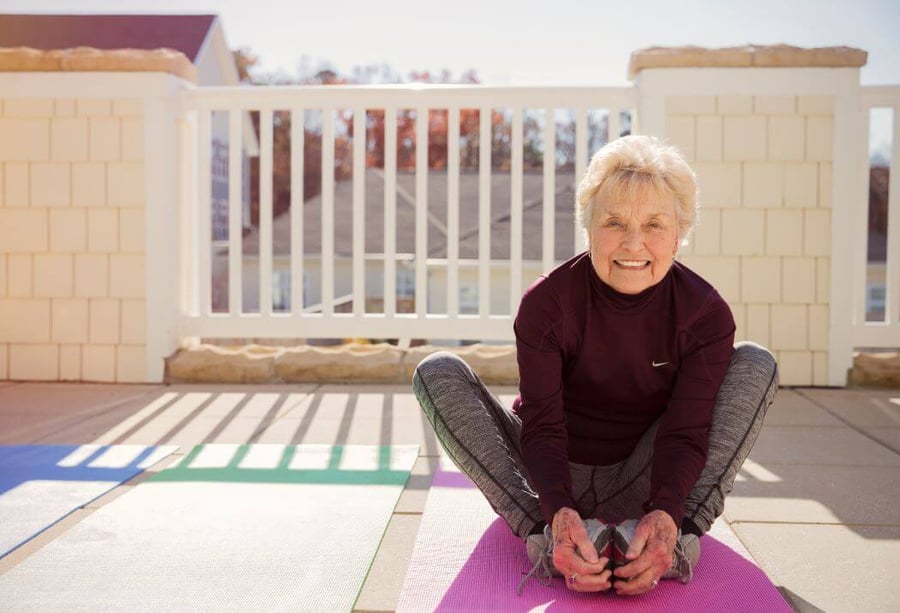
There's a meaningful difference between a community that has a fitness area and one that has a fitness program. Equipment matters, but what matters more is whether someone is guiding residents through exercises that translate into daily life: getting up from a chair, carrying a plate from the dining area, or walking confidently down a hallway.
Look for communities that offer:
-
Certified fitness professionals who understand the physiology of aging and can adapt exercises for different ability levels.
-
Group classes that range from chair yoga and balance training to more vigorous options like resistance circuits.
-
Resident fitness clubs where neighbors motivate each other and build consistency over time.
-
Partnerships with physical therapy providers so rehabilitation and fitness work together, not in separate silos.
The goal isn't to turn your parent into an athlete. It's to build or maintain the physical capacity that supports independence: the strength, balance, and endurance that make everyday tasks feel manageable instead of exhausting.
For a deeper look at how structured fitness programming is designed specifically for seniors, download our free guide to staying active and vibrant.
How Does Cognitive Wellness Go Beyond Puzzles?
Brain health doesn't happen by accident, and it doesn't happen from a single activity. Communities with strong cognitive wellness programming offer a range of engagement, not just word searches and trivia, but structured approaches that challenge different areas of the brain.
This might include:
-
Music therapy programs led by trained professionals, which research has shown can improve mood, reduce agitation, and even support memory recall in people living with dementia.
-
Discussion groups and current events circles that exercise critical thinking and social interaction simultaneously.
-
Art and creative expression that stimulates neural pathways in ways that purely verbal activities don't.
-
Technology workshops that keep residents connected and learning new skills.
For communities offering memory care in the Fort Worth area, cognitive programming takes on even greater importance. It should be tailored to the specific stage and needs of each resident, not a one-size-fits-all approach.
If you want to dig deeper into the evidence, explore what the science says about keeping your brain sharp as you age.
Why Do Connection and Purpose Actually Predict Health?
Here's the dimension that families often underestimate, and that research consistently ranks as one of the strongest predictors of health and longevity.
Social isolation and loneliness are associated with significantly increased risks of mortality, rivaling the health impact of well-known risk factors like smoking and physical inactivity. And yet, when families compare communities, they often gloss over the social and spiritual programming.
Strong communities address this dimension deliberately:
-
Spiritual and reflection programs that offer space for meditation, gratitude practices, or faith-based gatherings for those who want them.
-
Volunteer and giving-back opportunities that reinforce a sense of purpose.
-
Social gaming and recreation that create organic friendships, such as poker nights, gardening clubs, and cooking groups.
-
Opportunities to pursue hobbies and passions that may have faded during years of living alone, because keeping your passions alive is itself a powerful wellness strategy.
For families considering memory care or cognitive support in the Fort Worth area, connection and belonging become even more critical. People living with memory challenges still respond profoundly to music, touch, laughter, and feeling like they belong somewhere.
What Questions Should You Ask When Evaluating Wellness?
Not every community that uses the word "wellness" means the same thing by it. Here are practical questions to ask when you're comparing options in the Fort Worth area:
-
Who leads the fitness programming? Are they certified? Do they have experience working with older adults?
-
How is cognitive wellness structured? Is there a planned approach, or is it ad hoc?
-
What does spiritual and emotional support look like? Is there a chaplain, a reflection space, or structured programs?
-
How do you measure wellness outcomes? Do you track resident participation, functional improvement, or satisfaction?
-
Is wellness integrated into care plans? Does the wellness team communicate with nursing and dining staff, or does it operate in its own silo?
The answers will tell you whether a community treats wellness as a marketing term or as a core operating philosophy.
Your Next Step
Finding the right senior living community in Fort Worth means looking beyond the surface to understand whether a community is truly set up to help your loved one get stronger, stay sharper, and feel more connected.
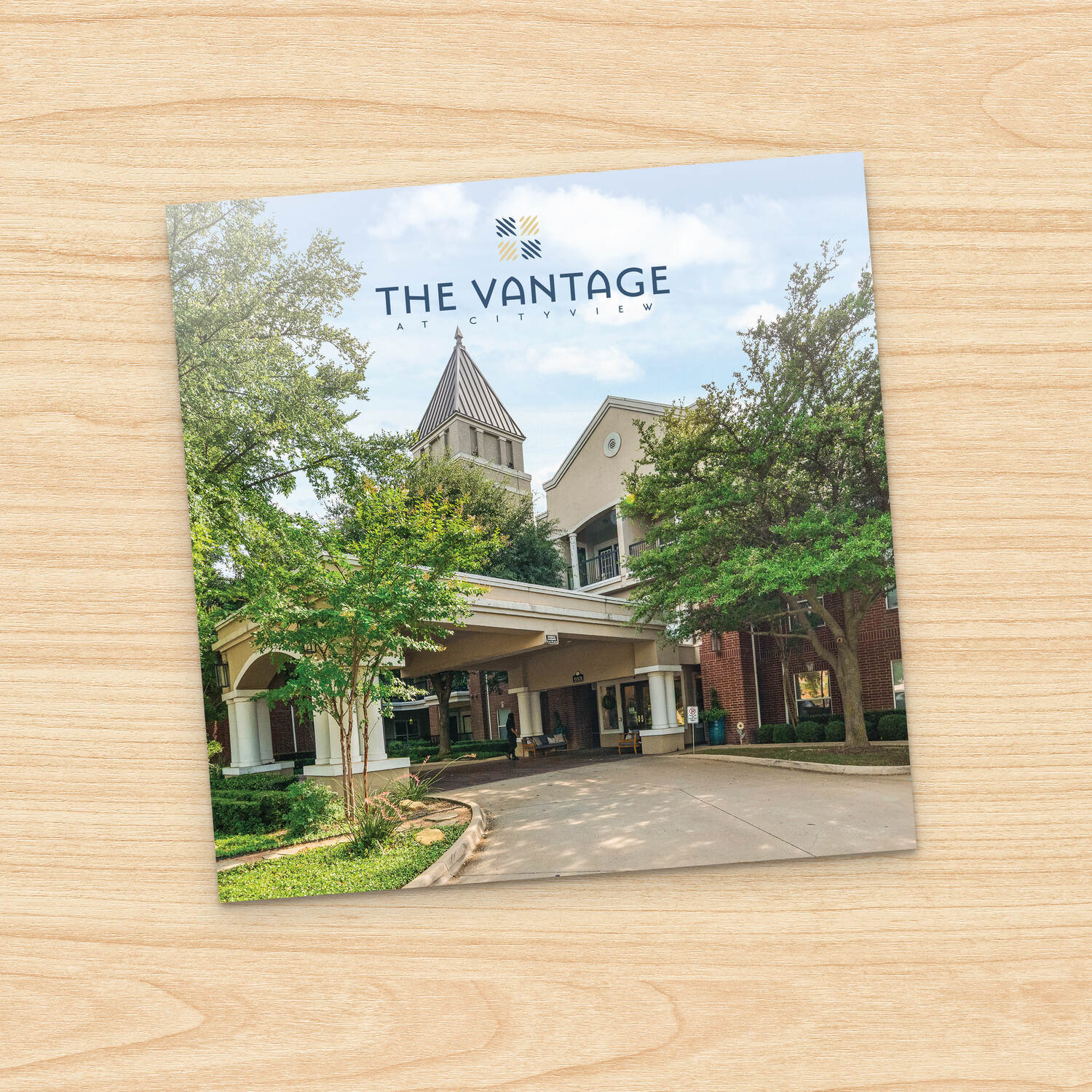
If you're exploring senior living options for yourself or a family member, schedule a visit today and come see firsthand what wellness looks like at The Vantage at Cityview.