
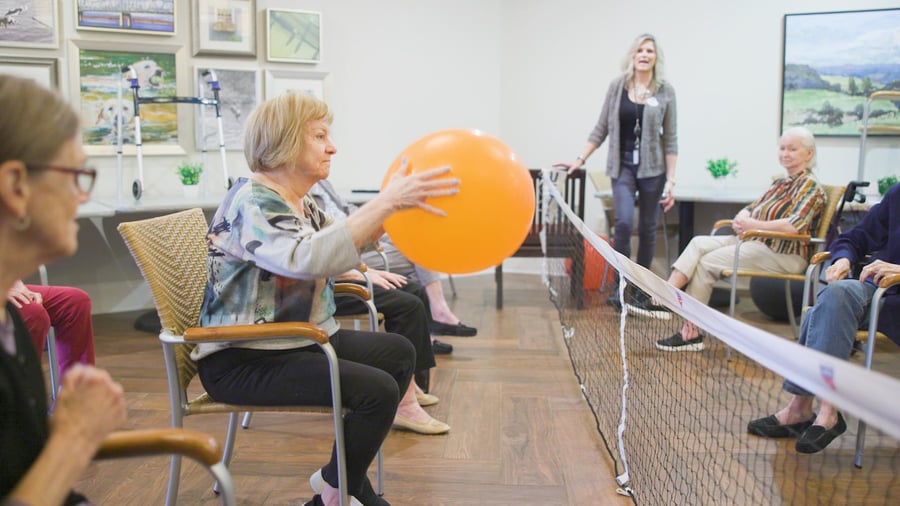
Not long ago, scientists believed the adult brain was essentially "set" and that after a certain age, decline was inevitable and there wasn't much anyone could do about it. That idea has been thoroughly debunked. Neuroscience now shows that the brain remains remarkably adaptable throughout life, a quality researchers call neuroplasticity. Even in your 70s and 80s, the choices you make each day can strengthen neural pathways, build cognitive reserve, and lower your risk of dementia.
For families across the Suwanee, GA area—from Alpharetta and Johns Creek to Duluth and Cumming—this is welcome news. Brain health isn't determined by genetics alone. It's shaped by habits. And the best part? Many of those habits are enjoyable, accessible, and easy to weave into daily life.
Let's look at what the research says actually works.
The Brain-Body Connection: Why Exercise Comes First
If there were a single pill that could improve memory, boost mood, reduce inflammation, and promote the growth of new brain cells, everyone would take it. That "pill" exists. It's physical activity.
When you exercise, your body produces a protein called brain-derived neurotrophic factor (BDNF). Think of BDNF as fertilizer for the brain: it helps neurons grow, strengthens connections between them, and protects existing cells from damage. A landmark study published in the Proceedings of the National Academy of Sciences found that older adults who walked briskly three times per week for a year actually increased the size of their hippocampus—the brain region critical for memory—by about 2%, effectively reversing age-related shrinkage by one to two years.
You don't need to run marathons. A daily 30-minute walk through Suwanee Town Center Park, a water aerobics class, or even gardening counts. The key is consistency, not intensity.
Physical activity is one of the most well-researched brain health boosters. Our handbook on vibrant living can help you get started with routines that work for your body.
Feeding Cognition: How the MIND Diet Protects Your Brain
Researchers at Rush University developed the MIND diet specifically to support brain health. It blends elements of the Mediterranean and DASH diets, emphasizing foods linked to slower cognitive decline: leafy greens, berries, nuts, whole grains, fish, beans, poultry, and olive oil. In a study of nearly 1,000 older adults, those who followed the MIND diet most closely had a 53% lower risk of developing Alzheimer's disease.
What makes this approach practical is that it doesn't require perfection. Even moderate adherence, following the diet "most of the time," was associated with a 35% reduced risk. Small swaps make a difference: blueberries on your morning oatmeal, a handful of walnuts as an afternoon snack, or grilled salmon instead of red meat a couple of nights a week.
Here in the Suwanee area, fresh produce is easy to come by, whether at the Peachtree Corners Farmers Market or shops along Buford Highway. Making brain-healthy eating part of your routine doesn't require a complete kitchen overhaul. Healthy eating is also a cornerstone of any great senior lving community.
Want to explore brain-healthy eating habits in more detail? Our guide to eating healthy as you age is a great next step.
The Thinking Brain: Cognitive Challenge and Lifelong Curiosity
Here's a nuance that often gets lost in the "do crossword puzzles" advice: the cognitive benefit comes from novelty and challenge, not from repeating activities you've already mastered. If you've been doing the same crossword for 20 years, your brain has become efficient at it—which means it's no longer being pushed to form new connections.
The concept behind this is called cognitive reserve. Think of it like a savings account for your brain. Every time you learn something new—a language, an instrument, a card game you've never played—you're making a deposit. A 2022 study in JAMA Neurology found that cognitively stimulating activities were associated with a lower risk of mild cognitive impairment, even after controlling for age, education, and genetics.
Some ideas that deliver strong cognitive benefits:
-
Learning a musical instrument (even at a beginner level)
-
Taking a class at a local library or community center in Roswell, Lawrenceville, or Sugar Hill
-
Playing strategy games like chess, bridge, or mahjong with friends
-
Writing—journaling, memoir writing, or even blogging
-
Engaging with art—painting, pottery, or photography
The goal isn't to "train" your brain like a machine. It's to stay curious and keep exploring.
Social Bonds: The Brain Health Factor People Underestimate
Loneliness isn't just an emotional experience—it's a cognitive risk factor. A major 2023 meta-analysis in Nature Human Behaviour found that social isolation was associated with a 26% increased risk of dementia. Conversely, maintaining strong social connections appeared to be protective, independent of other lifestyle factors.
Why? Social interaction engages multiple brain regions simultaneously. A conversation requires you to listen, process language, recall memories, interpret tone, formulate responses, and read facial expressions, all in real time. That's a full-brain workout disguised as a chat over coffee.
For seniors in Gwinnett and north Fulton counties, there are plenty of ways to stay connected: faith communities, volunteer organizations, book clubs at the Suwanee Branch Library, walking groups, or even regular meetups at a favorite spot in Milton or Norcross. The format matters less than the consistency.
If you've noticed a family member becoming more isolated, that's worth paying attention to. Social withdrawal is sometimes one of the earliest signs of cognitive change, and re-engaging can make a meaningful difference.
Sleep and Stress: The Quiet Architects of Brain Health
Sleep is when the brain does its housekeeping. During deep sleep, the glymphatic system—a waste-clearance network discovered only in 2012—flushes out toxic proteins, including beta-amyloid, which is associated with Alzheimer's disease. Consistently poor sleep allows those proteins to accumulate.
Older adults need 7–8 hours of sleep, yet many get far less. Common culprits include pain, medications, sleep apnea, and anxiety. If you or someone you love is struggling with sleep quality, it's worth bringing up with a doctor. Simple changes, like maintaining a cool, dark bedroom, limiting caffeine after noon, and keeping a consistent wake time, can help.
Chronic stress is the other quiet disruptor. Elevated cortisol, the body's primary stress hormone, can damage the hippocampus over time. Mindfulness meditation, deep breathing exercises, tai chi, and spending time in nature have all been shown to lower cortisol levels. Even 10 minutes of focused breathing each day can shift the balance.
Putting It All Together
Brain health isn't about any single habit. It's about the cumulative effect of many small, consistent choices. Eat well. Move your body. Stay curious. Nurture your relationships. Protect your sleep. Manage stress. None of these require extraordinary effort, and all of them are within reach regardless of where you are right now.
The research is clear: it's never too late to start. Whether you're in your early 70s and planning ahead, or in your 80s and looking for ways to stay sharp, these habits matter.
For a visual breakdown of daily habits that keep your mind sharp, download our free guide