


What You'll Learn
Somewhere between the third website tab and the fourth glossy brochure, everything starts to blend together. The photos all show sunlit dining rooms. The language all promises "compassionate, expert care." And you're left wondering: how do I actually tell the difference between a memory care community that sounds good and one that truly is good?
You're not alone in feeling this way. If you've already decided that memory care is the right step for your parent, you've already navigated one of the most emotionally demanding decisions a family member can face. If you're still working through the emotional side of this decision, read our guide on feeling confident about choosing senior care for your parent. Now it's time to turn your attention from whether to where, and that requires knowing what to look for beneath the surface.
This guide will help you evaluate memory care communities in Warrington, PA, and nearby areas like Doylestown, Chalfont, and Southampton with clarity and confidence. For a deeper dive into understanding dementia and what quality care looks like, download our Caregiver's Complete Guide to Alzheimer's and Dementia Care.
What Does the Building Design Tell You About a Memory Care Community?
A beautiful lobby is nice, but it's not a care plan. When you walk into a memory care community, pay attention to what the design is doing, not just how it looks.
Communities built with cognitive support in mind incorporate specific environmental elements:
-
Clear wayfinding cues. Color-coded hallways, visual landmarks, and simple signage help residents navigate without confusion or frustration. A well-designed memory care environment reduces agitation because it reduces disorientation.
-
Secure outdoor spaces. Look for enclosed gardens or walking paths where residents can enjoy fresh air safely. A locked front door is expected; a thoughtfully designed outdoor area shows the community values quality of life, not just containment.
-
Smaller, neighborhood-style layouts. Rather than long institutional corridors, these create a sense of familiarity. At The Solana Doylestown, the memory care neighborhood is designed to feel intimate and manageable, which can make a significant difference for a person living with dementia.
Ask yourself during a tour: does this space feel like somewhere your parent could live, or does it feel like somewhere they'd be kept? That distinction matters more than granite countertops.
What Happens Between Scheduled Activities?
Most communities will hand you an activity calendar packed edge to edge. But a full schedule isn't the same as a meaningful one.
The question to ask isn't "how many activities do you offer?" It's "how do you decide which activities are right for each resident?"
Strong memory care programming is tailored to residents' abilities, interests, and histories, not designed around what's easiest to organize. Look for:
-
Activities adapted to different stages of dementia. A resident in the early stages has different needs than someone in a later stage. Good communities plan for both.
-
Engagement throughout the day, not just during scheduled events. What happens at 2 p.m. on a Tuesday when nothing is on the calendar? Staff who are trained to offer spontaneous engagement, such as a song, a walk, or a simple sensory activity, are practicing the kind of care that makes daily life better.
-
Connections to personal history. At The Solana Doylestown, the memory care program incorporates life-enrichment activities rooted in each resident's background. A retired carpenter might work with textured materials. A music lover might have a playlist curated just for them.
Don't just read the calendar. Ask to observe an activity in progress. Watch how staff interact with residents who seem disengaged or resistant. That will tell you far more than any brochure.
How Important Are Staff Training, Consistency, and Ratios?
You can renovate a building. You can upgrade a menu. But you cannot fake the quality of a care team.
When evaluating memory care near Buckingham, Jamison, Richboro, or anywhere in Bucks County, the staff should be your primary focus. Here's what to dig into:
-
Specialized dementia training. All staff, not just nurses, should receive ongoing education in dementia care techniques, including how to communicate with residents, how to de-escalate moments of confusion, and how to support dignity during personal care.
-
Staff-to-resident ratios. Ask for specific numbers, and ask how those numbers change at night and on weekends.
-
Consistency of caregivers. Residents living with dementia do better with familiar faces. High staff turnover is a red flag. Ask how long the average team member has been with the community.
At The Solana Doylestown, team members in the memory care neighborhood receive specialized, ongoing training in dementia care approaches. This isn't a one-time orientation; it's a continuous commitment that directly affects how residents experience each day.
How Do Families Stay Connected After Move-In?
One of the deepest fears many family members carry is the worry that they'll become an outsider in their parent's care once the move happens. A good memory care community doesn't just allow family involvement; it actively encourages it.
Here's what meaningful family engagement looks like:
-
Transparent, proactive communication. You shouldn't have to chase down updates. Look for communities that provide regular care updates, invite you to care conferences, and reach out when something changes, not just when something goes wrong.
-
Open visiting policies. Can you visit your parent on a random Wednesday afternoon? Can you join them for lunch? Restrictions beyond what's medically necessary are worth questioning.
-
Transition support for families. The weeks after move-in can be emotionally intense, for you and your parent. Communities that assign a point of contact for new families, offer adjustment guidance, and check in with you (not just the resident) understand that the whole family is going through this transition together.
The Arbor Company views families as essential partners in care, not visitors. At The Solana Doylestown, the team works to keep families informed and involved because better communication leads to better outcomes for everyone.
What Should You Bring on Every Memory Care Tour?
When you're visiting communities in Warrington, Plumsteadville, Hatboro, Ivyland, or Upper Southampton, having a structured approach keeps you from getting swept up in aesthetics and missing substance. Here's a quick framework:
-
Watch the interactions. Are staff making eye contact with residents? Using their names? Speaking calmly and at an appropriate pace?
-
Ask about care plan reviews. How often are care plans updated? Who participates in those conversations? Are families included?
-
Request specifics on staffing. What certifications do caregivers hold? What's the turnover rate? How are overnight emergencies handled?
-
Inquire about transitions. What does the first week look like for a new resident? What support is available if your parent is resistant to the move?
-
Trust your instincts. Does the community feel calm? Do residents look comfortable? Would you feel at ease spending time here?
Use our free comparison guide to evaluate your options side by side as you narrow your choices.
How Can You Feel Confident in Your Memory Care Decision?
Choosing memory care for a parent is never simple. But it doesn't have to feel like a guessing game. When you know what to look for, such as trained, consistent staff; purposeful programming; a secure yet welcoming environment; and a culture that includes families, you can make this decision from a place of knowledge rather than fear.
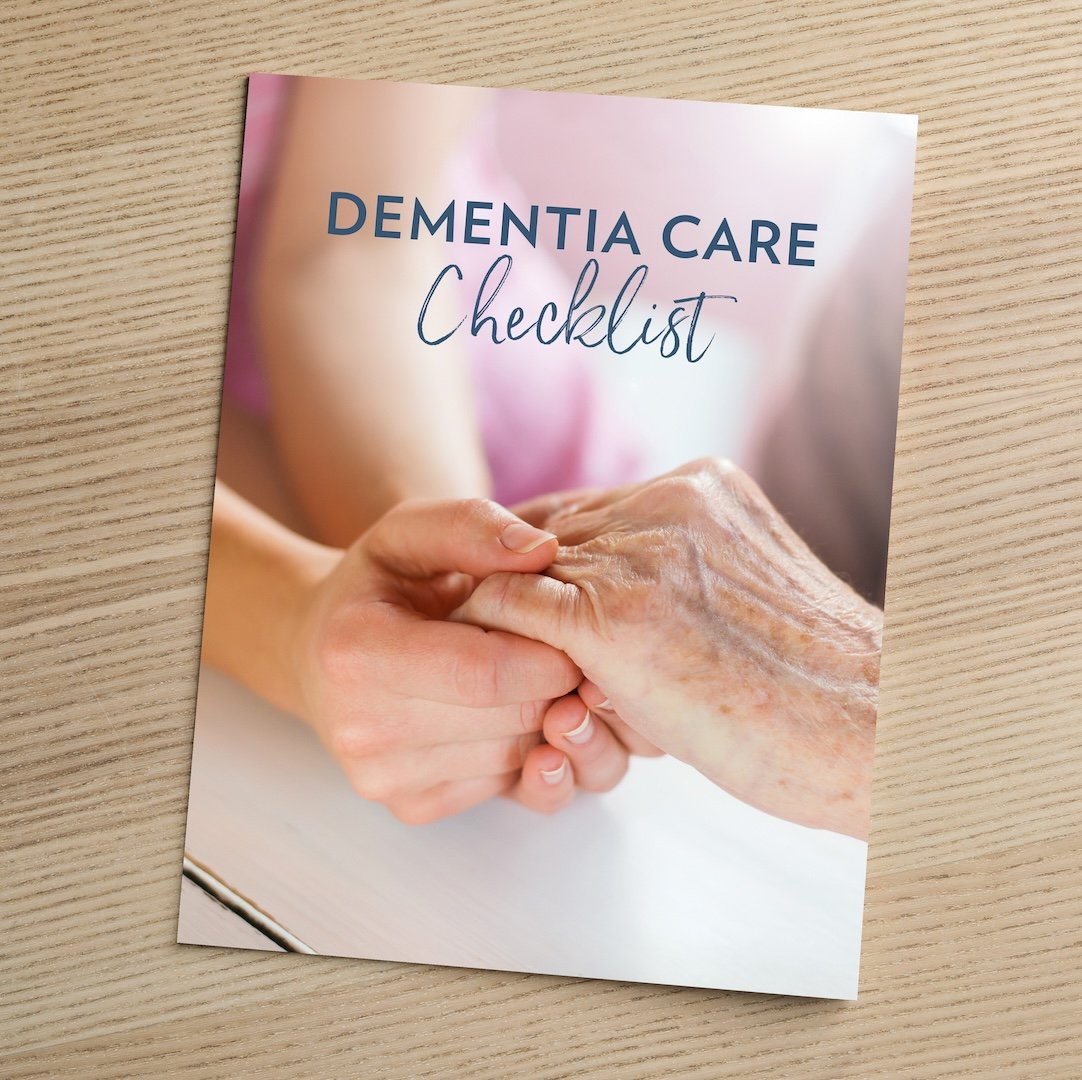
If you're exploring memory care options in Warrington, PA, or the surrounding Bucks County area, we'd welcome the chance to show you what life looks like inside the memory care neighborhood at The Solana Doylestown. Schedule a visit, bring your checklist, and ask every question on your mind. The right community will be glad you did. And when you're ready to tour, download our printable Dementia Care Checklist to bring with you on your next community tour.


.jpg?width=1500&height=1941&name=DOY-Everything%20You%20Need%20to%20Know%20About%20The%20Solana%20Doylestown1%20(1).jpg)