Something funny happens when you sit in the same sunny spot every morning with your coffee. Someone else starts sitting nearby. Maybe they like that same corner, or maybe they noticed you reading the same author they love. Before long, you're saving each other seats.
That's how it works. Not with forced introductions or awkward mixers, but with the quiet, natural rhythm of sharing a space with people who understand what your life looks like right now.
If you've been thinking about a move to a senior living community in Canton, GA, one of the biggest worries on your mind might be this: Will I find anyone to talk to? What if I don't fit in? Those feelings are completely valid. And they're far more common than you might imagine.
What Holds People Back From Making New Friends?
"I'm too old to make new friends."
It's a sentence that runs through a lot of minds, especially after losing a spouse, watching neighbors move away, or finding that the phone rings less often than it used to. For many seniors living alone, the hours between visits from family can stretch into long, quiet days, a reality we've explored before.
But here's what the research actually shows: friendship has no age limit. A study published in Personal Relationships found that the quality of friendships matters more for health and happiness than even family relationships as people get older. And a 2020 report from the National Academies of Sciences, Engineering, and Medicine confirmed that social isolation significantly increases the risk of heart disease, depression, and cognitive decline in older adults.
In other words, friendship isn't just nice to have. It's essential at every age.
How Do Friendships Grow Without Anyone Forcing Them?
There's a concept in psychology called the "mere exposure effect." It means that simply being around someone regularly, seeing them at meals, passing them in the hallway, sitting near them during an activity, creates a sense of familiarity and warmth. Over time, that familiarity becomes comfort. And comfort becomes friendship.
This is exactly what happens in senior living communities. You don't have to plan coffee dates or drive across town. Connection is built into the fabric of everyday life:
-
Shared meals where conversation flows naturally over good food
-
Activity groups like gardening clubs, book discussions, art classes, or card games
-
Common spaces where people gather to read, watch a movie, or simply enjoy the afternoon
Canton itself is a community that invites connection, with dozens of ways to stay active and engaged, from the beauty of nearby Etowah River trails to local events that bring people together.
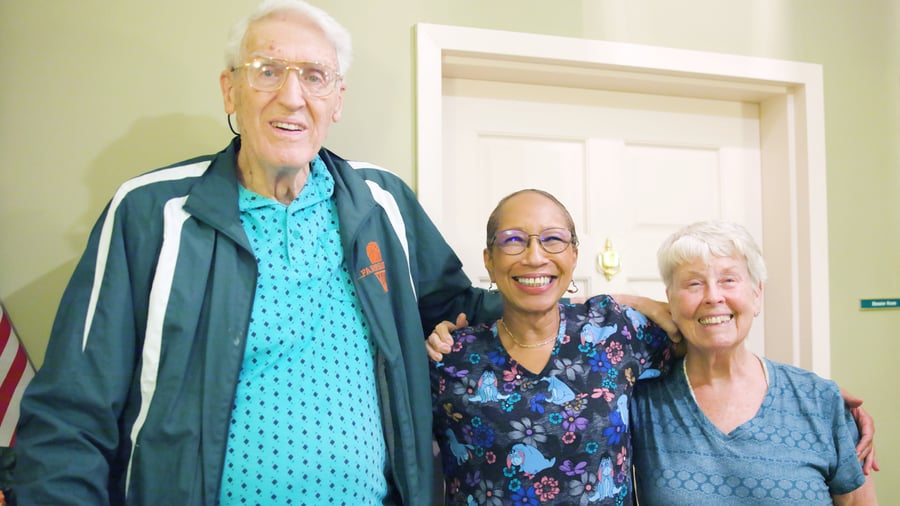
The friendships that form in senior living communities near Canton, GA, aren't forced. They happen because people share space, share routines, and share the experience of starting something new together.
What Do the First Few Days Look Like?
Let's talk about those first few days, because that's often the hardest part.
Walking into a new community where you don't know anyone can feel overwhelming. You might not know where the dining room is, or what time things happen, or who to ask when you have a question. That unsettled feeling is completely normal.
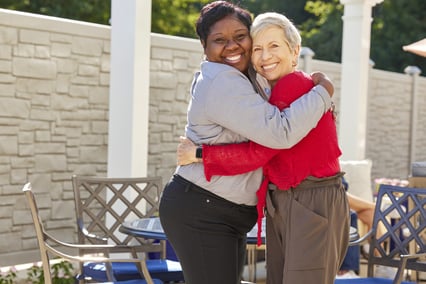
Many senior living communities understand this deeply. That's why resident ambassador programs exist. These are fellow residents, people who've already been through that transition themselves, who volunteer to welcome newcomers. They might:
-
Stop by your apartment to introduce themselves
-
Invite you to sit with them at dinner
-
Show you around the building and point out their favorite spots
-
Simply check in during those first few weeks to see how you're settling in
Having someone who gets it, who remembers exactly what it felt like to be the new person, makes all the difference. You're not walking into a space full of strangers. You're being welcomed by someone who chose to be there for you.
Does Friendship Have to Look the Way It Used To?
Here's something worth remembering: the friendships you make at this stage of life don't have to look like the ones you had at 30 or 50. They don't require long road trips or late nights out. They can be quieter, simpler, and just as meaningful.
Maybe it's the neighbor who knocks on your door every morning to walk to breakfast together. Maybe it's the person who always saves the crossword puzzle section for you. Maybe it's someone who lost their spouse around the same time you did, and who understands without you having to explain.
These connections matter. A Harvard study that followed participants for more than 80 years found that close relationships, more than money, fame, or career success, were the strongest predictor of happiness and longevity. You don't need a dozen friends. You just need a few people who make you feel seen.
And you certainly don't need to be the most outgoing person in the room. Plenty of deep friendships start between two quiet people who simply enjoy each other's company.
What if You're Still Not Sure?
If the idea of moving to a new place still feels like a lot, that's okay. Nobody expects you to feel ready overnight. Change is hard, especially when it means leaving a place full of memories.
But consider this: staying in a familiar place isn't the same as staying connected. If the days have grown quieter than you'd like, if meals are mostly eaten alone, if you find yourself watching the clock between visits, something might be missing that has nothing to do with your house and everything to do with companionship.
If you're weighing whether community life could offer something your current situation doesn't, this free guide compares the two paths side by side.