

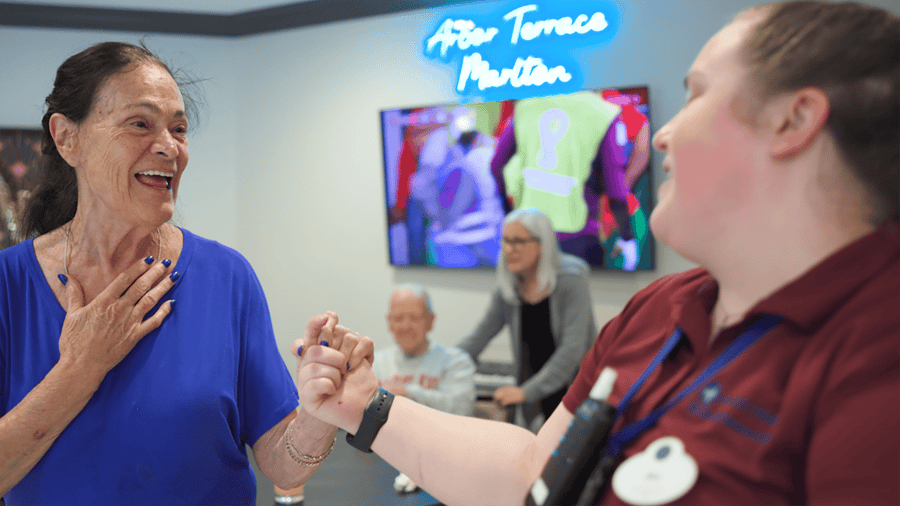
When a loved one begins experiencing memory changes and challenges due to Alzheimer's disease or another form of dementia, families throughout Burlington County face profound questions about their care and lifestyle. Memory support communities in Marlton, NJ can help, by enhancing quality of life and putting a central focus on designing an environment where seniors with memory loss can maintain their identity, experience what brings them the most joy, and feel genuinely valued every day.
Memory care in Marlton, NJ, provides more than supervision. Purpose-built communities offer comprehensive support that addresses emotional, social, physical, and cognitive well-being simultaneously. From predictable routines that create security to specially trained staff who understand dementia communication, quality memory support transforms daily living into an experience of dignity and connection.
In this guide, you'll learn:
-
How structured routines and engaging activities enhance cognitive function and emotional well-being
-
The critical role of specialized environments, dining programs, and staff training in supporting quality of life
-
Why compassionate memory care focuses on helping residents maintain identity and experience joy
-
What makes Arbor Terrace Marlton's Evergreen Memory Care Neighborhood different from traditional care settings
-
Predictable Routines Create Security and Confidence
For individuals living with dementia, uncertainty causes anxiety. Memory support communities in Marlton, NJ, enhance quality of life by establishing consistent daily schedules that help residents feel grounded and secure. When someone knows what comes next, such as morning wellness activities, lunch in the familiar dining room, and afternoon social time, they experience less stress and greater confidence navigating their day.
Structured routines don't mean rigid schedules. Quality memory care in Marlton, NJ, balances consistency with personalization, allowing residents to make meaningful choices within a framework that feels comfortable. Morning activities might offer energizing group exercises when cognitive function is typically strongest, while quieter afternoon programs provide gentle engagement when fatigue sets in.
This thoughtful rhythm respects how dementia affects energy and mood throughout the day. Staff trained in dementia care understand that someone might enthusiastically participate in painting at 10 a.m. but prefer quiet conversation by 3 p.m. Honoring these natural patterns demonstrates respect for residents as individuals, not just recipients of care.
The security of routine extends beyond activities. Consistent meal times, familiar faces among care team members, and recognizable spaces all contribute to reducing the confusion and agitation that often accompany memory loss. At Arbor Terrace Marlton's Evergreen Memory Care Neighborhood, this person-centered approach means every detail, from the layout of apartments to the timing of social gatherings, is designed with resident comfort in mind.
Engaging Activities Tailored to Cognitive Abilities
How memory support communities in Marlton, NJ, enhance quality of life becomes most visible in the activities and amenities available. Rather than one-size-fits-all entertainment, quality Alzheimer's care in Marlton NJ, offers purposeful engagement that meets residents where they are cognitively, while nurturing remaining strengths and interests.
Memory care activities range from music therapy and reminiscence programs to sensory stimulation and gentle movement classes. These aren't simply ways to pass the time. They're therapeutic interventions that can improve mood, reduce agitation, and even extend periods of cognitive clarity. Research shows that people with dementia who participate in meaningful activities experience better overall well-being and slower functional decline.
Successful activity programming in senior living, Marlton, NJ, builds on residents' life histories and preserved abilities. Someone who loves gardening might find joy and purpose in tending container plants, even if they can't remember planting them the day before. A former teacher might light up when helping sort classroom supplies during a purposeful activity. These moments of engagement honor who residents have always been.
Technology also plays an innovative role in modern memory care. Arbor Terrace Marlton features the Tovertafel "Magic Table," an award-winning interactive system that projects engaging light games designed specifically for mid to late-stage dementia. This type of therapeutic technology stimulates cognitive function, encourages social interaction, and creates joyful moments that benefit residents, families, and staff alike.
Activity calendars in quality memory care communities offer diverse options throughout every day, including evenings and weekends. Art classes, fitness programs, live entertainment, cooking demonstrations, and spiritual services ensure residents can find activities aligned with their interests and energy levels. This variety prevents boredom while providing multiple opportunities for social connection and cognitive stimulation.
Social Connections Combat Isolation and Loneliness
Perhaps the most significant way memory support communities in Marlton, NJ, enhance quality of life is through fostering meaningful relationships. Social isolation accelerates cognitive decline and increases depression among people with dementia. Memory care neighborhoods provide natural opportunities for connection that home care rarely can match.
In dedicated memory care settings, residents interact with cognitive peers who understand their experiences. There's no need to mask memory difficulties or feel embarrassed about repetition. This acceptance creates an emotionally safe environment where genuine friendships can develop, even among individuals with significant memory impairment.
Staff members at Arbor Terrace Marlton prioritize learning each resident's life story, preferences, and interests. This personal knowledge informs every interaction, transforming routine care tasks into opportunities for meaningful engagement. When caregivers know that Mrs. Johnson taught third grade for forty years, they can reference that history naturally during conversations, helping her maintain a connection to her identity.
Family involvement remains crucial to social well-being. Quality Alzheimer's care in Marlton NJ, welcomes and encourages family participation in daily life, activities, and special events. Regular family councils and educational programs help loved ones understand dementia progression while providing strategies for more satisfying visits. When families feel supported and informed, everyone benefits, especially residents who maintain these vital connections.
Group dining offers another powerful opportunity for socialization. Sharing meals or cooking meals together as part of one of the many clubs offered in a community setting creates structure and normalcy. The conversation and companionship during mealtimes contribute significantly to emotional well-being and can even improve nutritional intake among residents who might otherwise eat alone and poorly.
Thoughtfully Designed Environments Support Safety and Independence
The physical environment profoundly impacts how memory support communities in Marlton, NJ enhance quality of life. Purpose-built memory care neighborhoods incorporate specific design elements that maximize safety while promoting independence and reducing confusion.
Secure wandering paths allow residents to move freely without risk of getting lost. Memory boxes displaying personal photos and mementos outside apartment doors help residents identify their own spaces. Clear sightlines enable staff supervision without creating an institutional feel. These environmental supports work quietly in the background, allowing residents to navigate their world with greater confidence.
Color contrast, appropriate lighting, and intuitive layouts all reduce disorientation. Removing mirrors that might confuse someone who doesn't recognize their reflection, limiting busy patterns that can cause visual overstimulation, and creating distinct spaces for different activities – these design choices demonstrate understanding of how dementia affects perception and processing.
The Evergreen memory care neighborhood at Arbor Terrace Marlton was designed specifically with these principles in mind. Residents enjoy private apartments that feel like home while benefiting from common spaces that encourage socialization and engagement. The secure environment provides peace of mind for families while giving residents freedom to move throughout the community safely.
Indoor and outdoor spaces both matter for wellbeing. Access to natural light, views of nature, and the ability to spend time outdoors in secure gardens contribute to a better mood, improved sleep patterns, and overall quality of life. These environmental factors work synergistically with programming and care to create truly supportive living environments.
Specialized Nutrition Programs Honor Dignity and Independence
Dementia often creates significant challenges, especially when it comes to dining. People may forget to eat, struggle with utensils, become overstimulated in busy dining rooms, or experience changes in taste perception. How memory support communities in Marlton, NJ enhance quality of life includes addressing these challenges through specialized dining programs that maintain dignity while ensuring proper nutrition.
The Arbor Company's award-winning Dining with Dignity® program exemplifies this approach. Chefs use special preparation techniques to create nutritious meals with the same flavor profiles as regular dining, but in formats that support independence. Ground ingredients allow easier chewing and swallowing. Food prepared in appetizing bite-size portions enables finger feeding for those who can no longer manage utensils easily.
It’s crucial to remember that thoughtful adaptation truly respects residents' evolving needs. Someone who once enjoyed steak can still savor that familiar flavor and nutrition, just in a more manageable form. Dining experiences remain social and enjoyable rather than becoming sources of frustration or embarrassment.
Memory care dining rooms are specifically designed to support successful mealtimes. Lower stimulation environments with fewer distractions help residents focus on eating. Smaller group settings create more intimate, less overwhelming experiences. Staff trained in dementia communication can gently redirect attention to meals and provide appropriate assistance without taking over completely.
Flexible timing accommodates individual preferences and needs. Some residents eat better at non-traditional times or need snacks available throughout the day. Quality memory care in Marlton, NJ recognizes that rigid meal schedules may not serve everyone well and adjusts accordingly to ensure adequate nutrition while honoring personal patterns.
Compassionate, Trained Staff Make the Difference
Behind every element of how memory support communities in Marlton, NJ enhance quality of life stands specialized staff training. Caring for individuals with dementia requires specific skills and knowledge that go beyond general senior care. Understanding disease progression, recognizing triggers for anxiety or agitation, and communicating effectively with someone experiencing confusion are competencies developed through comprehensive, ongoing education.
At Arbor Terrace Marlton, staff training draws on The Arbor Company's 30+ years of dementia care expertise. Team members learn person-centered approaches that honor each resident's unique history, preferences, and abilities. They practice therapeutic communication techniques that reduce frustration and build trust. They understand how to defuse challenging situations calmly and recognize when behaviors signal unmet needs rather than mere difficulty.
This specialized training extends throughout the entire team. Housekeepers, dining staff, activities coordinators, and maintenance workers all receive dementia awareness education. When everyone understands memory loss and its effects, the entire environment becomes more supportive. A housekeeper who knows to move slowly, maintain eye contact, and explain what they're doing before entering an apartment creates a much less alarming experience than one who moves quickly without explanation.
Staffing ratios in memory care exceed those in assisted living, ensuring residents receive appropriate attention and supervision. Higher staff-to-resident ratios mean caregivers can provide unhurried, individualized support rather than rushing through tasks. This makes every interaction more dignified and relationship-focused rather than purely functional.
Ongoing education keeps staff current on best practices and emerging research. Regular training sessions, participation in Alzheimer's Association conferences, and access to specialized resources ensure the care team continues developing its skills. This commitment to excellence benefits residents directly through consistently compassionate, skilled support.
Brain Health and Wellness Programs Support Cognitive Function
Quality memory care in Marlton, NJ takes a holistic approach to resident wellbeing, recognizing that physical health, emotional support, and cognitive engagement all interconnect. Wellness programs specifically designed for individuals with dementia can help maintain function and quality of life for longer periods.
Gentle and state-of-the-art exercise programs improve mobility, balance, and overall health while providing cognitive stimulation. Chair yoga, walking groups, and strength training adapted for varying ability levels keep residents physically active. Regular movement also supports better sleep, improved mood, and reduced agitation – all significant factors in quality of life for those living with dementia.
Brain health activities challenge cognition in failure-free environments. Puzzles, word games, trivia focused on long-term memories, and reminiscence therapy all engage the mind without creating frustration. Activities are carefully calibrated to be stimulating but not overwhelming, successful but not too simple.
Music therapy demonstrates particular effectiveness for people with dementia. Musical memories often remain intact even when other memories fade. Singing familiar songs, listening to music from someone's youth, or participating in rhythm activities can improve mood, trigger positive memories, and facilitate social connection even for individuals with advanced dementia.
Sensory programs provide stimulation through touch, sight, sound, smell, and taste.
Aromatherapy, tactile activities with varied textures, visual art experiences, and sensory gardens all engage residents at a fundamental level that requires no memory or complex cognition. These programs create moments of pleasure and presence that significantly enhance daily life.
Family Support and Education Strengthen the Care Partnership
How memory support communities in Marlton, NJ, enhance quality of life extends beyond residents to encompass family members navigating the challenges of dementia. Quality memory care recognizes that supporting families strengthens the entire care partnership and improves outcomes for residents.
Educational programs and resources help families understand dementia progression and adjust expectations appropriately. Learning about disease stages, common behaviors and their causes, and effective communication strategies reduces family stress while improving visit quality. When families understand why their loved one can't remember their last visit but can recall childhood events vividly, those visits become less frustrating for everyone.
Support groups provide emotional support and practical advice from others experiencing similar challenges. Connecting with families facing comparable situations reduces isolation and validates the complex emotions (relief, guilt, grief, love) that accompany memory loss. These connections often become lifelines for family caregivers.
Many memory care communities, including Arbor Terrace Marlton, offer innovative programs like Dementia and Senior Living LIVE!® workshops that give family members experiential insight into how dementia affects perception and processing. Walking through simulated dementia experiences builds empathy and understanding that transform how families interact with residents.
Regular communication keeps families informed and involved. Care team members provide updates on changes in condition, participation in activities, and overall well-being. Family councils give relatives a voice in community operations and culture. This transparency and collaboration create trust while ensuring resident needs are consistently met.
Why Memory Care Is About Living Well, Not Just Safety
Understanding how memory support communities in Marlton, NJ, enhance quality of life requires recognizing that excellent dementia care transcends basic safety and physical needs. While secure environments and attentive supervision matter enormously, they represent only the foundation of quality care.
The true measure of memory care excellence lies in whether residents feel valued, whether they experience joy in their days, whether they maintain connections to their identity and loved ones, and whether they live with dignity regardless of cognitive abilities. Quality of life encompasses feeling known by caregivers, having meaningful ways to spend time, maintaining important relationships, and living in an environment that supports remaining abilities while compensating for losses.
This is why specialized memory care neighborhoods differ so significantly from general assisted living or home care. The entire environment—physical design, activity programming, staff training, dining approaches, daily routines—is specifically created to support cognitive challenges while nurturing emotional, social, and physical wellbeing.
At Arbor Terrace Marlton, the Evergreen memory care neighborhood embodies this comprehensive approach. Drawing on The Arbor Company's three decades of dementia care expertise, the community combines evidence-based practices with genuine compassion to create an environment where residents don't just receive care—they thrive.
Families throughout Marlton, Mount Laurel, Cherry Hill, and Burlington County seeking compassionate support for loved ones with memory challenges will find that quality memory care transforms daily life. It's about creating moments of connection, joy, and dignity within the context of progressive disease. It's about seeing the person, not just the diagnosis.
Key Takeaways
-
Structured routines reduce anxiety: Predictable schedules help residents with dementia feel secure and confident navigating their day
-
Purposeful activities maintain engagement: Tailored programming addresses cognitive levels while honoring interests and life histories
-
Social connections combat isolation: Dedicated memory care environments provide opportunities for meaningful relationships with peers, staff, and family
-
Specialized environments support independence: Thoughtful design elements enhance safety while promoting resident autonomy and reducing confusion
-
Dining programs honor dignity: Nutrition approaches like Dining with Dignity® ensure proper intake while maintaining independence and pleasure in meals
-
Trained staff provide compassionate care: Specialized education enables team members to understand dementia and respond effectively to changing needs
-
Quality of life encompasses more than safety: Excellent memory care helps residents maintain identity, experience joy, and live with dignity every day
Frequently Asked Questions
Q: How does memory care differ from assisted living?
Memory care provides specialized support for individuals with Alzheimer's disease or dementia in secure environments designed to reduce confusion and wandering. Staff receive extensive dementia training, activity programming addresses cognitive challenges, innovative technology enhances memory function, and higher staffing ratios ensure appropriate supervision. While assisted living helps with daily tasks for those who are relatively independent, memory care offers 24-hour oversight and dementia-specific interventions that address the unique needs of those with significant cognitive impairment.
Q: Will my loved one be happy in memory care?
Quality memory care communities focus on creating positive experiences and emotional well-being, not just managing symptoms. Through meaningful activities, social connections, familiar routines, and compassionate care from trained staff who learn each resident's preferences and history, many individuals with dementia experience reduced anxiety and improved mood. The structured yet supportive environment often provides a better quality of life than struggling at home with insufficient support.
Q: How do I know when it's time for memory care?
Signs that memory care may be beneficial include wandering or getting lost, safety concerns at home, caregiver burnout, increased agitation or challenging behaviors, forgetting to eat or take medications, and social isolation. When memory loss begins affecting daily safety and quality of life despite home support, memory care provides the specialized environment and trained assistance that helps individuals with dementia function at their highest possible level while reducing family stress.
Q: What should I look for when touring memory care communities?
Evaluate the staff's warmth and engagement with residents, observe activity programming and resident participation, assess the cleanliness and home-like feel of the environment, check for secured outdoor spaces, inquire about staff training and turnover rates, and ask about the dining program including accommodations for those with eating difficulties. Trust your instincts about whether residents seem content and whether staff demonstrate genuine care rather than just providing custodial service.
Q: How can I maintain a connection with my loved one after they move to memory care?
Visit regularly but adjust expectations. For example, shorter, more frequent visits often work better than long ones. Participate in community activities together. Focus on emotional connection rather than correcting memory errors. Bring meaningful items like photo albums or favorite music. Learn dementia communication strategies through community education programs. Remember that even when your loved one cannot remember your last visit, your presence provides comfort and connection in the moment. Quality memory care communities welcome and encourage family involvement as an essential element of resident well-being.
Want to see how compassionate memory support can enhance the quality of life for your loved one? Schedule a tour of Arbor Terrace Marlton to explore our Evergreen memory care neighborhood and meet the team dedicated to helping residents thrive each day.