
-1.jpg?width=900&name=Veterans%20Benefits%20and%20Senior%20Living%20What%20you%20need%20to%20know%20(1)-1.jpg)
You've already made the decision: senior living is the right next step for your loved one. Now comes the practical question that keeps many families up at night — how do we pay for it?
If your family includes a veteran or the surviving spouse of a veteran, there's a VA benefit called Aid & Attendance that could make a meaningful difference in covering the cost of assisted living or memory care. Yet many families in Monmouth County and throughout New Jersey never apply, often because they don't realize it exists or assume they won't qualify.
Let's walk through what this benefit covers, who's eligible, and how to avoid the most common pitfalls in the application process so your family can focus on finding the right community rather than worrying about finances alone.
Understanding the VA Aid & Attendance Benefit
Aid & Attendance is a pension benefit administered by the U.S. Department of Veterans Affairs. It provides a monthly payment to eligible veterans and surviving spouses who need help with daily activities like bathing, dressing, eating, or managing medications.
Here's something many families don't realize: this benefit applies to both assisted living and memory care settings, not just nursing homes. If your loved one is living with dementia or needs regular assistance with daily tasks, this benefit may be available to help offset those costs. Not sure which type of care your loved one needs? Here's a helpful overview of senior care options in Shrewsbury.
The monthly benefit amount varies depending on the veteran's status and circumstances. For the most current pension rates, visit the VA's official pension rates page.
Who Qualifies — and Who Might Be Surprised
Eligibility for Aid & Attendance generally involves three areas: military service, medical need, and financial criteria.
Military service requirements:
-
The veteran must have served at least 90 days of active duty, with at least one day during a wartime period.
-
The veteran does not need to have served in combat or overseas.
-
This applies to veterans from World War II, the Korean War, the Vietnam War, and the Gulf War era, among others.
Medical need:
-
The veteran or surviving spouse needs assistance with activities of daily living.
-
This includes help with bathing, dressing, toileting, or mobility.
-
A person living with dementia or Alzheimer's disease who requires supervision may also qualify.
If your loved one is showing signs of cognitive decline, memory care may be the right setting — and it's an eligible care type under VA Aid & Attendance.
Financial criteria:
The VA considers income and net worth when determining eligibility. However, unreimbursed medical expenses, including the cost of assisted living, are factored in and can significantly affect the calculation in your favor.
Many families in the Red Bank, Tinton Falls, and Middletown areas assume their income or assets are too high, but they may still qualify once care costs are taken into account. For specific income and asset limits, check the VA's website directly, as these figures are updated periodically.
Avoiding the Mistakes That Slow Families Down
The application process for Aid & Attendance has a reputation for being slow and complicated, but much of the delay comes from avoidable errors. Here are the most common missteps families make:
Starting without proper documentation. The VA requires proof of military service, medical records, and detailed financial information. Gathering these documents before you begin can save weeks, sometimes months, of back-and-forth.
Not working with an accredited professional. The VA accredits certain attorneys, claims agents, and veterans service organizations (VSOs) to help families navigate the application. Working with someone who understands the process can make a significant difference. Be cautious of anyone charging large upfront fees — accredited VSOs often provide assistance at no cost.
Assuming the benefit is only for nursing home care. As mentioned, Aid & Attendance applies to assisted living and memory care communities as well. Families in areas like Fair Haven, Rumson, Little Silver, and Colts Neck sometimes delay applying because they believe their loved one's care setting isn't covered.
Waiting too long to apply. Benefits can be retroactive to the date of application, so starting the process early, even while you're still evaluating communities, can work in your family's favor.
Legal and financial planning go hand in hand with this process. Download our free guide to legal planning for seniors to make sure you have all your bases covered.
How Aid & Attendance Fits Into Your Funding Strategy
For most families, VA benefits won't cover the entire cost of senior living, but they can be a powerful part of a broader funding plan. Many families in Shrewsbury and surrounding communities combine Aid & Attendance with other resources such as:
-
Long-term care insurance
-
Personal savings and retirement accounts
-
Proceeds from selling a residence
-
Other VA healthcare benefits
VA benefits are one important piece of the funding puzzle. Learn more about all your options in our guide to senior living costs and funding in Shrewsbury.
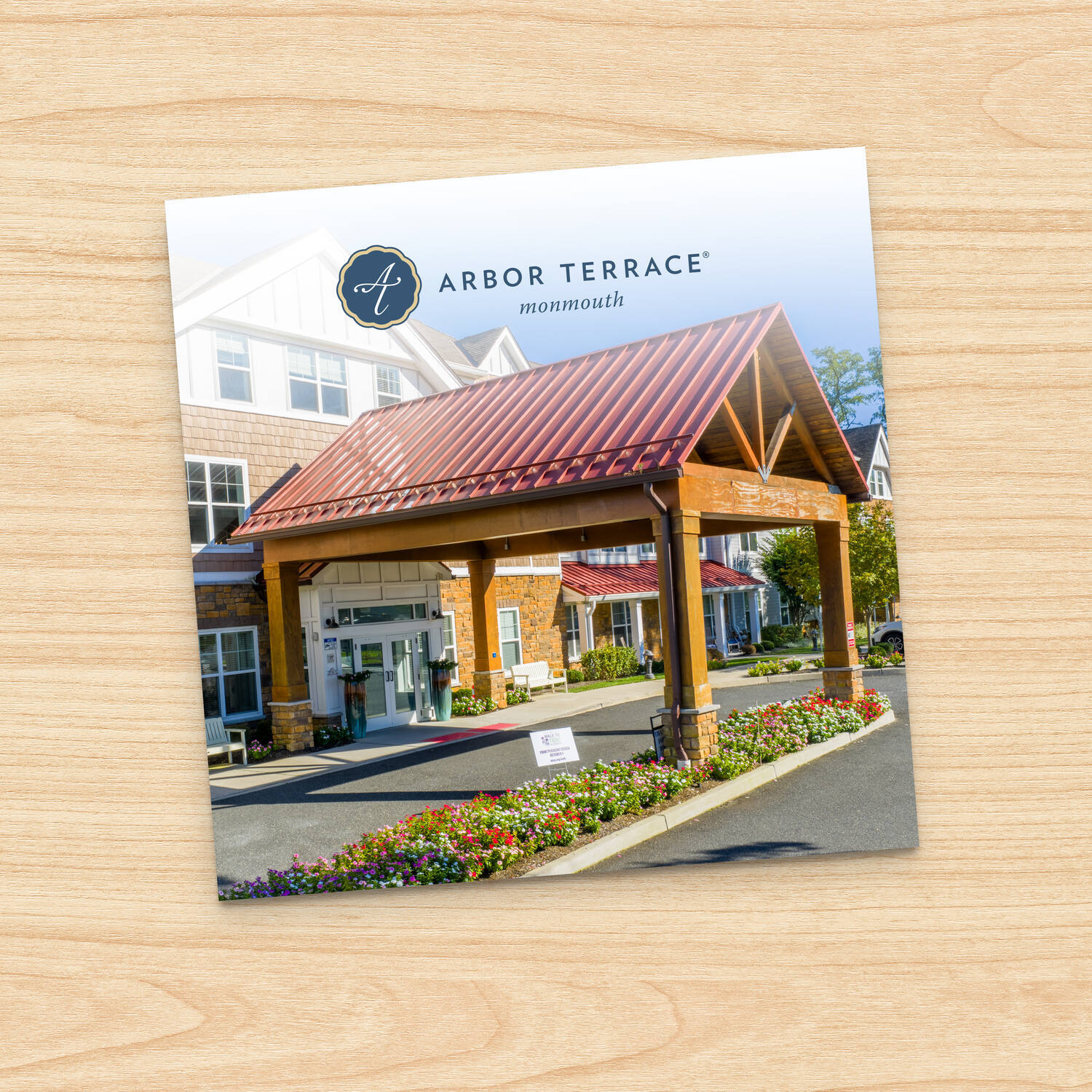
At Arbor Terrace Monmouth, our team regularly works with families who are navigating the financial side of this transition. We understand that choosing senior living involves both the heart and the budget, and we're here to help with both. Our assisted living and memory care community in Shrewsbury offers tailored care in a warm, welcoming environment, and our staff can connect you with local resources to help you explore VA benefits and other funding options.
Taking the First Step
Here's a simple action plan to get started:
-
Confirm service eligibility. Locate your loved one's DD-214 or other discharge papers. If you can't find them, the National Personnel Records Center can help.
-
Assess medical need. Talk with your loved one's physician about documenting the need for assistance with daily activities.
-
Connect with an accredited representative. Reach out to your county VSO or an accredited claims agent. In Monmouth County, the Veterans Service Office can be a good starting point.
-
Visit the VA website. Go to va.gov/pension/veterans-pension-rates for the most up-to-date benefit amounts and eligibility details.
-
Start exploring communities. You don't need to wait until benefits are approved to begin visiting and comparing senior living options.
Your loved one's service to our country matters, and so does finding them the right place to live well. If you'd like to learn more about life at Arbor Terrace Monmouth or talk through how VA benefits might fit into your family's plan, we'd love to hear from you. Reach out to schedule a visit or simply ask a question — our team is always happy to help.