
A 2020 study published in The Lancet identified 12 modifiable risk factors that account for roughly 40% of dementia cases worldwide. That number stopped many researchers in their tracks, not because it was discouraging, but because it was empowering. It meant that nearly half of cognitive decline isn't inevitable. It's influenced by the choices we make every day.
If you're in your 70s or 80s, or you love someone who is, that finding should feel like an open door. The habits that protect brain health aren't exotic or expensive. They're practical, and many of them are already woven into everyday life across communities in Monmouth County, from morning walks along the shore in Long Branch to lively card games in Red Bank.
Let's look at five areas where small, consistent habits can make a meaningful difference.
What Ends Up on Your Plate Ends Up in Your Brain
Researchers at Rush University developed the MIND diet specifically to support cognitive health. It blends principles from the Mediterranean and DASH diets, emphasizing leafy greens, berries, nuts, whole grains, fish, and olive oil while limiting red meat, butter, cheese, and fried foods.
What makes the MIND diet especially promising is that even moderate adherence appears to lower Alzheimer's risk. You don't have to follow it perfectly. Swapping an afternoon snack for a handful of blueberries or walnuts, choosing grilled salmon over a burger, or adding spinach to a morning omelet—these incremental shifts add up over time.
For families in Shrewsbury, NJ or Fair Haven who shop at local farmers' markets, the ingredients for brain-healthy meals are often just a short drive away. Seasonal produce from Monmouth County farms makes it easier, and more enjoyable, to eat well.
Want to dive deeper into nutrition strategies? Our guide to eating healthy as you age is a great next step.
Movement Doesn't Have to Mean the Gym
Physical activity is one of the most studied and most effective tools for brain health. A meta-analysis in the British Journal of Sports Medicine found that regular aerobic exercise is associated with improved memory and processing speed in older adults, even when exercise begins later in life.
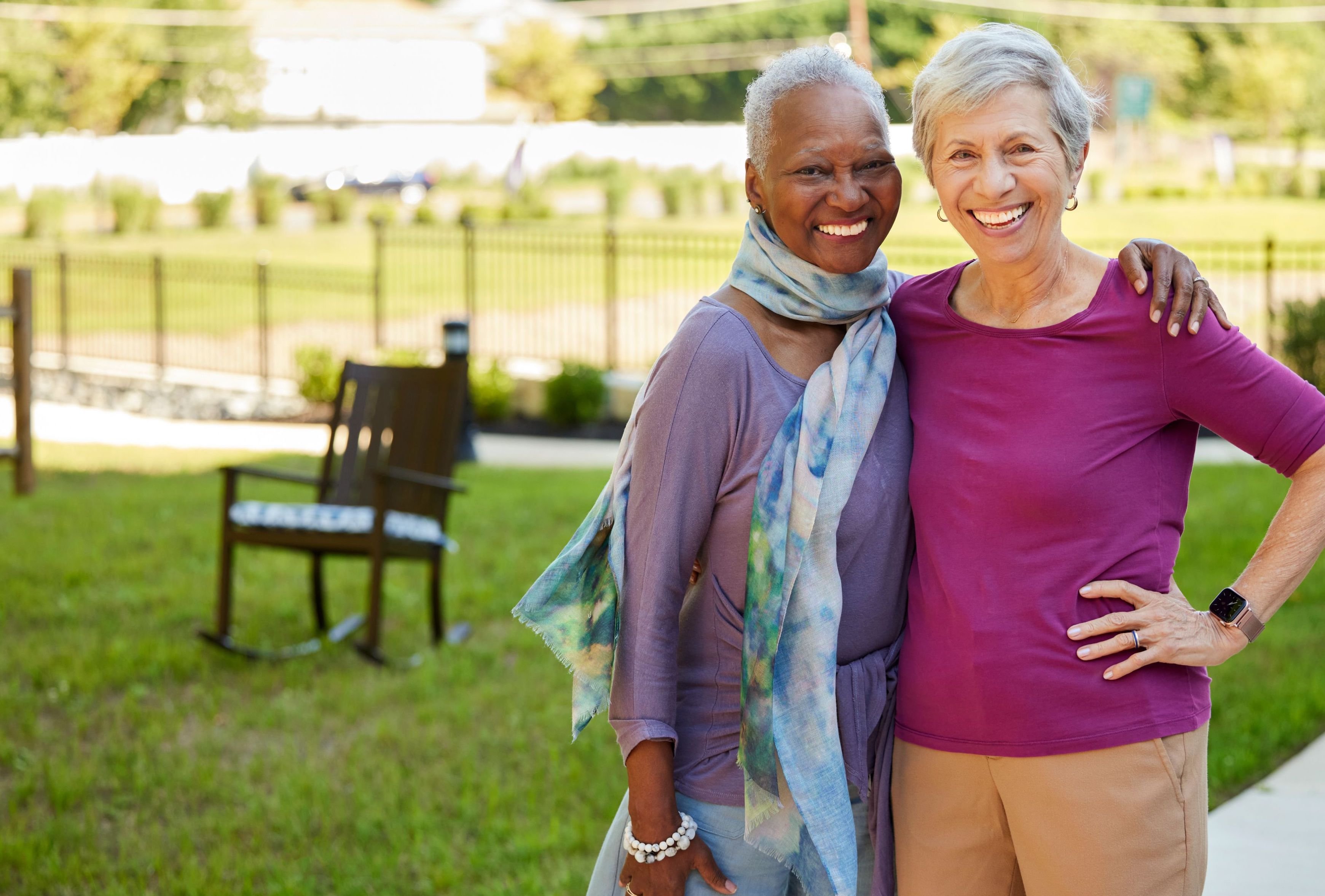
But here's the part that often gets lost: the best exercise is the one you'll actually do. For some, that's a brisk walk through Thompson Park in Lincroft. For others, it's a water aerobics class in Eatontown, a gentle yoga session, or gardening in the backyard in Colts Neck.
The goal is 150 minutes of moderate activity per week, which breaks down to only about 20 minutes a day. That's achievable for most older adults, especially when movement is woven into activities that already feel enjoyable.
Seniors in Monmouth County benefit from easy access to parks, boardwalks, and outdoor spaces that make staying active feel less like a chore and more like a way of life. Discover how proximity to parks, cultural venues, and the Jersey Shore enhances daily life for seniors in Monmouth County.
Looking for a complete roadmap to staying physically active? Download our handbook to vibrant living.
Your Brain Needs Other People
Social isolation is now considered a risk factor for cognitive decline on par with physical inactivity and smoking. A 2023 report from the National Academies of Sciences, Engineering, and Medicine found that socially isolated older adults have a 50% increased risk of developing dementia.
That statistic is striking, but the solution doesn't require a packed social calendar. Meaningful connection can look like a weekly phone call with a friend in Middletown, attending a book club at the public library in Red Bank, volunteering at a community garden in Oceanport, or simply having a regular coffee companion.
What matters is consistency and quality. Deep conversations, shared laughter, collaborative problem-solving—these interactions light up multiple regions of the brain simultaneously. They exercise working memory, language processing, emotional regulation, and attention in ways that solitary activities simply can't replicate.
For older adults in Rumson, Tinton Falls, or Little Silver who may find their social circles shrinking due to retirement, mobility changes, or loss of a spouse, being intentional about building connection becomes especially important.
Challenging Your Mind: Beyond the Crossword
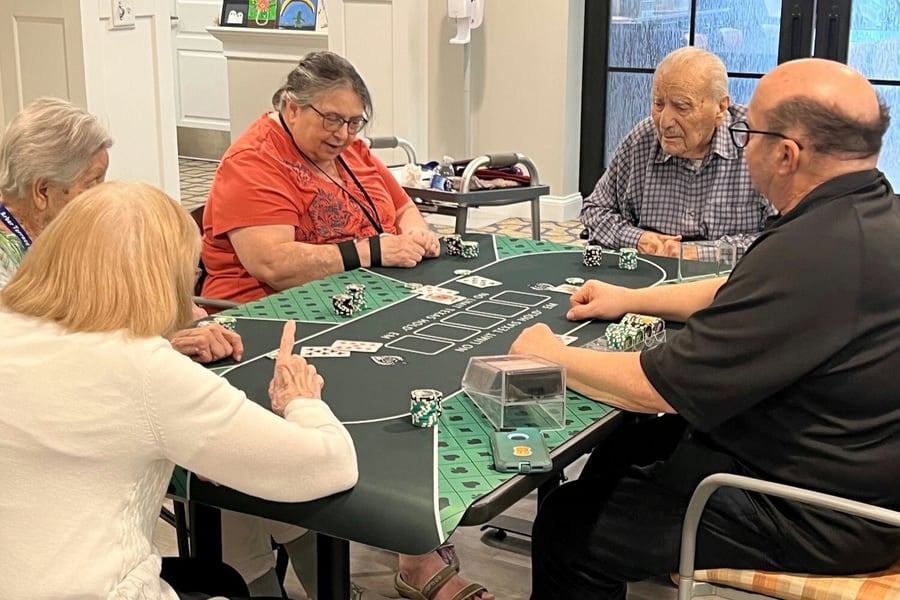
Cognitive stimulation is about asking your brain to do something it doesn't do on autopilot. Crossword puzzles and Sudoku are fine starting points, but the research suggests that novelty matters more than repetition. Learning a new card game, picking up a musical instrument, studying a language, or taking an art class at a community center in Asbury Park. These activities build what neuroscientists call "cognitive reserve," a kind of buffer that helps the brain compensate for age-related changes.
A study from the Journal of the American Geriatrics Society found that older adults who engaged in mentally stimulating activities had a 63% lower risk of developing dementia compared to those who did not.
The key is to find activities that are challenging enough to stretch your thinking but enjoyable enough to sustain. If it feels like homework, it probably won't stick.
Sleep and Stress: The Foundation Underneath Everything Else
You can eat well, exercise daily, and stay socially active, but if you're sleeping poorly or carrying chronic stress, your brain is fighting an uphill battle.
During deep sleep, the brain's glymphatic system activates and flushes out metabolic waste, including beta-amyloid proteins associated with Alzheimer's disease. Consistently getting fewer than six hours of sleep has been linked to increased cognitive decline in multiple longitudinal studies.
Practical steps for better sleep include keeping a consistent bedtime, limiting screen time in the evening, keeping the bedroom cool and dark, and avoiding caffeine after noon. For older adults dealing with sleep disruptions, a conversation with a primary care provider can help rule out conditions like sleep apnea.
Chronic stress is equally harmful. Elevated cortisol—the body's primary stress hormone—can damage the hippocampus, the brain region most critical for forming new memories. Stress-reduction practices like deep breathing, mindfulness meditation, gentle tai chi, or simply spending time outdoors along the Jersey Shore can help lower cortisol and protect long-term brain health.
Small Steps, Sustained Over Time
Brain health for seniors in Monmouth County isn't about dramatic overhauls. It's about steady, sustainable habits: a better breakfast, a daily walk, a meaningful conversation, a new hobby, a good night's sleep. Each one reinforces the others, creating a lifestyle that supports cognitive wellness well into your 80s and beyond.
If you're thinking ahead about how to protect your brain, or how to support a family member in Shrewsbury, NJ or the surrounding communities, start with one change this week. The research is clear: it's never too late, and every habit counts.
For more practical strategies, download our Visual Guide for Keeping an Older Mind Sharp.