

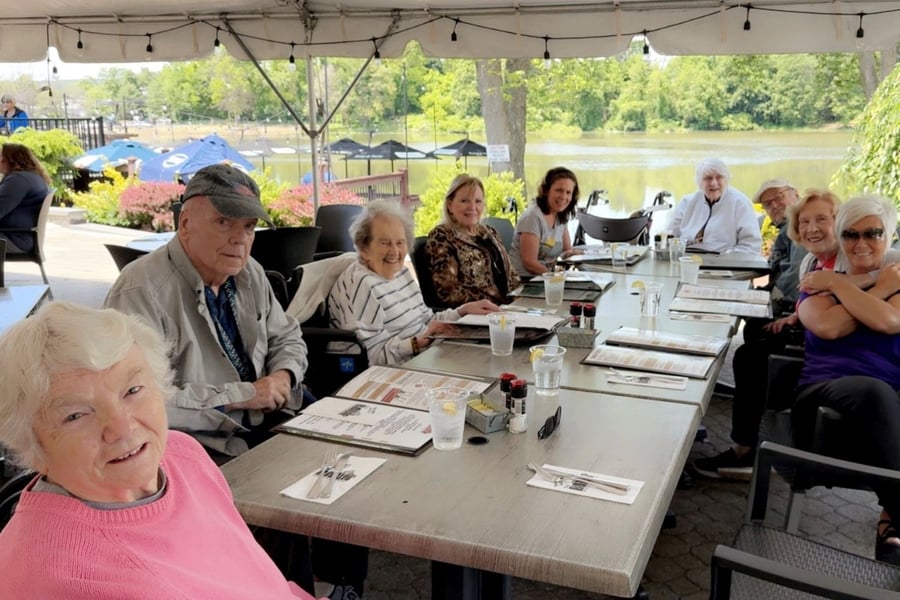
Picture two neighbors living on the same street in Morristown, NJ. Both are 78 years old. One spends most afternoons alone watching television. The other takes a morning walk, meets friends for lunch twice a week, and tries a new recipe every Sunday. Ten years from now, their cognitive health could look remarkably different. Not because of genetics, but because of daily habits.
The science is clear: lifestyle choices have an outsized influence on how the brain ages. A landmark 2020 report from The Lancet Commission identified twelve modifiable risk factors that account for roughly 40% of dementia cases worldwide. That means nearly half of cognitive decline isn't inevitable. It's influenced by what we do every day.
Brain Health for Seniors in Morris County: Five Pillars of Cognitive Wellness
Whether you're an older adult living in Morris Plains, Parsippany, or anywhere across Northern New Jersey, these five pillars of brain health can help you stay sharp well into your 80s and beyond.
Pillar 1: Fuel Your Brain With the Right Foods
The brain consumes about 20% of the body's total energy, despite making up only 2% of body weight. What you eat directly affects how well it performs.
Researchers at Rush University developed the MIND diet—a hybrid of the Mediterranean and DASH diets—specifically to support cognitive function. Studies found that people who closely followed the MIND diet lowered their risk of Alzheimer's disease by up to 53%. Even those who followed it moderately saw a 35% reduction.
The MIND diet emphasizes:
-
Leafy greens (at least six servings per week)
-
Berries, especially blueberries and strawberries
-
Nuts, particularly walnuts
-
Whole grains and beans
-
Fish at least once per week
-
Olive oil as the primary cooking fat
It also recommends limiting red meat, butter, cheese, pastries, and fried foods.
You don't need to overhaul your entire kitchen overnight. Start by adding one extra serving of vegetables to your day or swapping butter for olive oil. Small, consistent changes add up. If you'd like a deeper dive into nutrition strategies, explore our guide to eating healthy as you age.
Pillar 2: Move Your Body to Strengthen Your Mind
Exercise doesn't just protect your heart. It protects your hippocampus, the brain region responsible for learning and memory. A study published in the British Journal of Sports Medicine found that adults over 60 who engaged in regular aerobic exercise showed measurable improvements in cognitive function, including processing speed and executive function.
You don't need a gym membership or a marathon training plan. Effective brain-boosting movement for older adults includes:
-
Walking briskly for 30 minutes most days (the trails around Morris Plains and Mountain Lakes are perfect for this)
-
Chair yoga or tai chi, which combine gentle movement with balance and focus
-
Dancing, which adds the cognitive challenge of learning sequences and keeping rhythm
-
Swimming or water aerobics, easy on joints but excellent for cardiovascular health
The key is consistency. Even 150 minutes of moderate activity per week—about 20 minutes a day—can make a meaningful difference. Looking for ways to stay active? Our handbook to vibrant living has practical ideas you can start using right away.
Pillar 3: Keep Your Mind Engaged With Purpose
The phrase "use it or lose it" oversimplifies things, but the underlying principle holds up. Cognitive stimulation, by actively challenging the brain to learn, solve, and create, builds what scientists call "cognitive reserve." This reserve acts as a buffer, helping the brain compensate for age-related changes.
What counts as cognitive stimulation? More than you might think:
-
Learning a new language or instrument, even at a beginner level
-
Strategy games like chess, bridge, or mahjong
-
Reading and discussing books with a group
-
Creative pursuits like painting, pottery, or writing
-
Sensory-rich activities that engage multiple parts of the brain at once, such as cooking a new cuisine or gardening by scent and texture
The important thing is novelty. Doing the same crossword puzzle format every day eventually becomes routine rather than a challenge. Mixing up activities—or trying engaging activities designed to support cognitive function—keeps the brain building new pathways.
Pillar 4: Prioritize Meaningful Social Connection
Loneliness isn't just an emotional hardship—it's a cognitive risk factor. Research from the National Academies of Sciences, Engineering, and Medicine found that social isolation among older adults is associated with a 50% increased risk of dementia. That statistic puts loneliness in the same risk category as smoking 15 cigarettes a day.
The antidote isn't simply being around people. It's having meaningful interactions and conversations that make you think, laugh, or feel seen.
For older adults in communities like Denville, Hanover, Florham Park, and Cedar Knolls, opportunities for connection might include:
-
Joining a local club or faith community
-
Volunteering at a library, food bank, or school
-
Scheduling regular phone or video calls with family and friends
-
Attending community events, such as farmers' markets or lecture series in Morristown or Madison
Socialization plays a vital role in senior wellness, and it doesn't have to be complicated. Even brief, regular interactions—chatting with a neighbor, joining a walking group—count.
Pillar 5: Protect Your Sleep and Manage Stress
These two pillars are often overlooked, but they're deeply interconnected—and both have a direct impact on brain health.
Sleep is when the brain's glymphatic system activates, flushing out toxic proteins like beta-amyloid, which are associated with Alzheimer's disease. A 2021 study in Nature Communications found that adults in their 50s and 60s who regularly slept six hours or less per night had a 30% higher risk of developing dementia compared to those who slept seven hours.
Practical sleep tips for older adults:
-
Maintain a consistent sleep and wake schedule, even on weekends
-
Keep the bedroom cool, dark, and quiet
-
Limit caffeine after noon and screen time before bed
-
Talk to a doctor if snoring, restless legs, or frequent waking disrupts your rest
Chronic stress is equally harmful. Prolonged exposure to the stress hormone cortisol can shrink the prefrontal cortex and hippocampus, impairing memory and decision-making. Effective stress management strategies include:
-
Mindfulness meditation (even five minutes daily makes a difference)
-
Deep breathing exercises
-
Spending time in nature—Boonton, Randolph, and the surrounding Morris County parks offer beautiful, calming settings
-
Saying no to commitments that drain rather than energize you
Small Habits, Big Impact
Protecting brain health doesn't require dramatic changes. It requires intention like choosing to eat a handful of walnuts instead of chips, taking a walk instead of watching another hour of TV, or calling a friend instead of scrolling through your phone.
Each of these five pillars—nutrition, movement, cognitive engagement, social connection, and sleep—reinforces the others. A morning walk with a friend, for example, combines exercise and socialization. Cooking a new recipe engages your senses, challenges your brain, and nourishes your body.
If you're thinking about brain health for yourself or a family member in the Morris Plains, NJ, area, start with one small change this week. Then build from there.
For a practical resource you can reference anytime, download our free Visual Guide for Keeping an Older Mind Sharp. It's full of actionable strategies you can put to use starting today.