
What You'll Learn
By now, you've probably already had the initial conversations, visited at least one community, and started comparing brochures. But one question keeps circling back: Is assisted living enough, or does my loved one need memory care?
It's a question that matters enormously for your loved one's safety and well-being, and for your family's peace of mind. In the Skillman and greater Somerset County area, families have options. The challenge is understanding exactly what separates these two levels of care so you can move forward with confidence.
Here's a clear, honest breakdown of the differences between assisted living and memory care, covering what each provides, what each costs, and how to know which one is the right fit.
What Does Assisted Living Provide?
Assisted living is designed for older adults who are mostly independent but need regular help with daily activities like bathing, dressing, medication management, and meals. Residents typically live in private or semi-private apartments, come and go as they please, and participate in social activities and outings on their own schedule.
The best assisted living communities near Skillman, NJ offer more than just help with daily tasks. They provide coordinated care that adapts as needs change, including wellness programs, engaging social activities, and dining experiences that make every day feel purposeful.
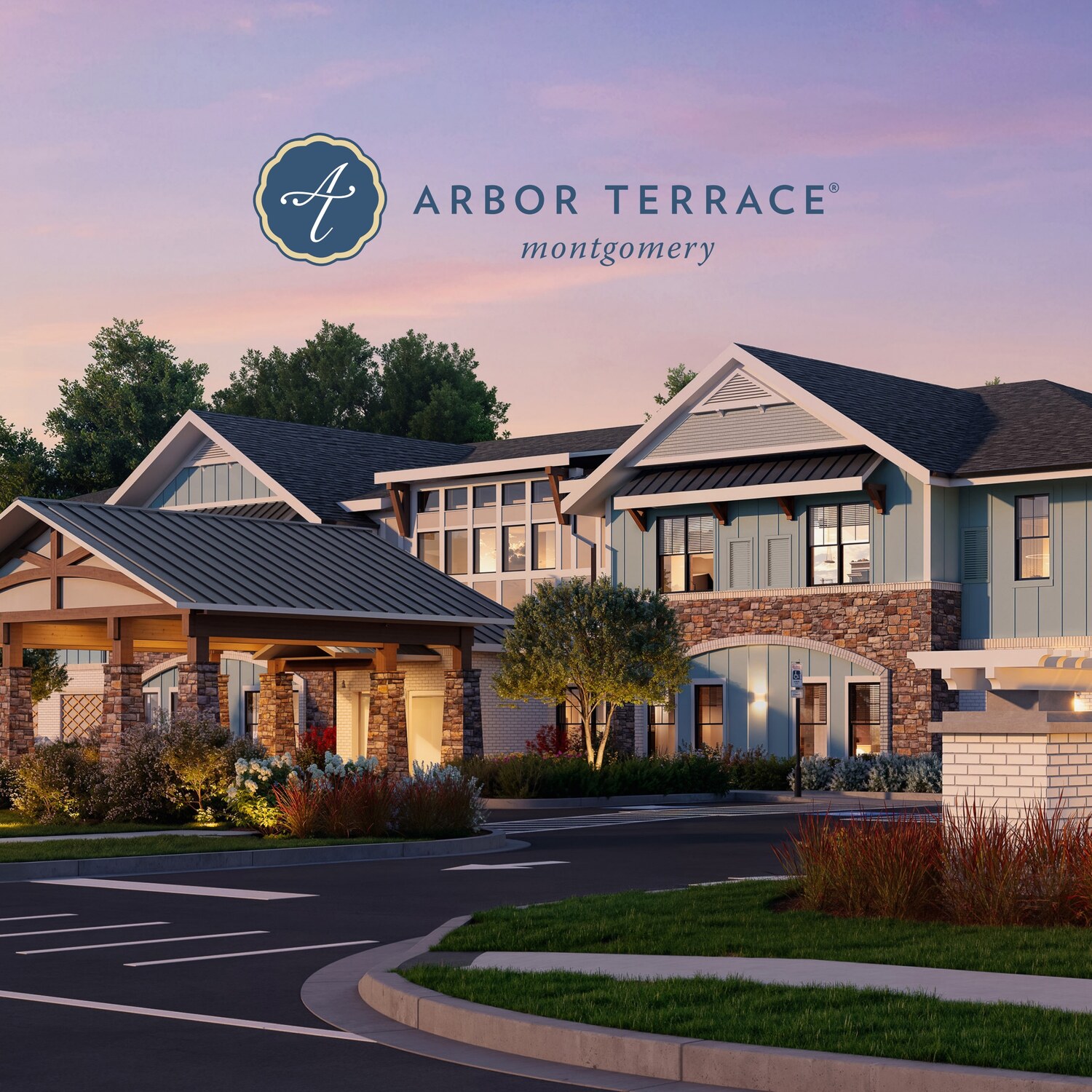
At Arbor Terrace Montgomery, for example, residents in assisted living benefit from a lifestyle that blends support with independence. Staff members are available around the clock, but the structure is flexible. Residents maintain their routines, enjoy community life, and receive the specific help they need.
However, assisted living does have boundaries. Most assisted living communities aren't built to support someone whose cognitive decline has progressed to the point where they need constant supervision, structured daily routines, or secured environments to prevent wandering.
How Is Memory Care Built Differently?
Memory care is a specialized form of senior living designed specifically for people living with Alzheimer's disease, dementia, or other cognitive conditions. While assisted living and memory care may look similar on the surface, the differences run deep.
Staffing ratios are higher. Memory care communities typically maintain more caregivers per resident, often nearly double the ratio you'd find in assisted living. Staff members receive specialized training in dementia care techniques, communication strategies, and behavioral support.
The environment is intentionally designed. Secured entrances and exits prevent wandering. Hallways may be arranged in loops so residents can walk freely without becoming disoriented. Common areas are designed to reduce confusion and promote calm.
Daily programming is structured and therapeutic. Rather than offering a menu of optional activities, memory care communities build the day around routines that support cognitive function, reduce anxiety, and provide meaningful engagement.
If you're exploring memory care options in the Skillman area, here's what to look for in a quality program. Understanding these features can help you evaluate communities with clarity.
What Drives the Cost Difference?
Cost is one of the most common questions families ask, and it deserves a straightforward answer.
Nationally, assisted living averages roughly $4,500 to $5,500 per month, while memory care typically ranges from $6,000 to $8,000 or more. In New Jersey, and particularly in Somerset County, costs tend to run higher than national averages due to the cost of living and the quality of available communities.
So what drives the difference?
-
Higher staff-to-resident ratios in memory care mean higher labor costs.
-
Specialized training for dementia care requires ongoing investment.
-
Secured environments with purpose-built design cost more to construct and maintain.
-
Structured programming requires dedicated staff and resources throughout the day.
It's worth noting that the cost of assisted living isn't static either. Many communities use a tiered pricing model, where monthly costs increase as a resident's care needs grow. A loved one in the early stages of cognitive decline might start in assisted living at a lower cost, but if their needs increase significantly, additional services or a transition to memory care may become necessary.
For families still weighing whether in-home care or assisted living is the right starting point, this cost comparison for Skillman-area families may help. And our financial planning guide for Somerset County families breaks down strategies for funding senior living at any level.
How Do You Know When a Transition Is Needed?
This is often the hardest part: not understanding the difference between assisted living and memory care, but knowing when your loved one has crossed the line from one to the other.
Some signals that memory care may be the better fit:
-
Wandering or getting lost in familiar places, including inside their own community.
-
Increasing confusion about time, place, or the identity of familiar people.
-
Resistance to personal care that goes beyond preference, rooted in fear or confusion.
-
Safety incidents like falls, leaving the stove on, or attempting to leave the building unsupervised.
-
Caregiver exhaustion, when you're providing supplemental care on top of what the community offers and it's taking a toll.
If you're having more difficult caregiving days than good ones, you're not alone, and it may be a signal worth paying attention to.
There's no single checklist that tells you "now is the time." But if safety concerns are growing or your loved one's quality of life is declining despite the support they're receiving, it's worth having a direct conversation with the care team at their community.
How Does Arbor Terrace Montgomery Support Families Across the Spectrum?
One reason families in the Skillman and Princeton area choose Arbor Terrace Montgomery is that the community offers both assisted living and memory care under one roof. That means if your loved one starts in assisted living and their needs change over time, they don't have to leave the community they've come to know. The transition can happen within a familiar setting, with staff who already know and care about them.
The memory care neighborhood at Arbor Terrace Montgomery is designed specifically for people living with dementia, with trained staff, structured programming, and a secured environment that prioritizes both safety and dignity.
For families who aren't sure which level of care is the right starting point, the team at Arbor Terrace Montgomery is happy to walk through the options honestly. There's no pressure to choose memory care if assisted living is still the right fit, and no hesitation to recommend a higher level of support when it's truly needed.
If you want more information on why senior living might be the right option for your parent, download our guide.