

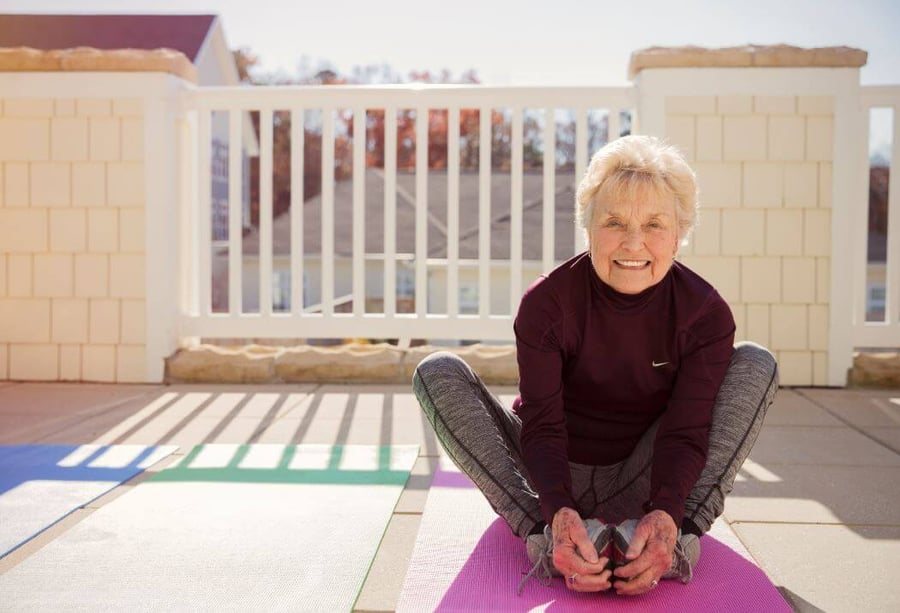
Think about the last time you felt truly well. Not just "no complaints" well, but genuinely healthy: physically strong, mentally sharp, emotionally connected. That kind of wellness doesn't come from a single source. It's the result of multiple things working together: movement, purpose, relationships, and a sense of meaning.
Now think about what happens when older adults lose access to those things one by one. The gym membership lapses. Friends move away. The daily routine shrinks to a few rooms and a television. Health doesn't decline because of one dramatic event. It erodes quietly.
This is exactly why wellness programming in senior living matters so much. For families in the Warrington, PA area exploring personal care or memory care options, understanding what genuine wellness looks like can help you make a more confident decision.
What Separates a Wellness Program From a Packed Calendar?
Almost every senior living community will hand you an activities calendar during a tour. You'll see crafts, movie nights, and maybe a weekly exercise slot. Those are fine things. But a calendar full of events is not the same as a wellness strategy.
The difference? A true wellness program is intentional. It's designed around the understanding that physical health, cognitive stimulation, emotional well-being, and spiritual connection are all linked. When one dimension suffers, the others follow.
So when you're comparing communities in the Doylestown, PA area or evaluating options closer to Chalfont or Jamison, the question isn't "How many activities do you offer?" It's "How are your wellness programs designed, and who leads them?"
How Does Expert-Led Fitness Build Confidence?
Physical fitness in senior living should look nothing like a dusty space with a treadmill in the corner. The best communities employ certified fitness professionals who understand how to work with older adults, including those living with arthritis, balance challenges, or cognitive changes.
What does this look like in practice?
-
Functional fitness classes focused on the movements that matter most: getting out of a chair, climbing stairs, reaching overhead, and maintaining balance.
-
Resident fitness clubs that build social accountability and motivation.
-
Partnerships with physical therapy providers so that rehabilitation and daily fitness work together, not in separate silos.
-
Adaptive programming for residents at every ability level, including those receiving memory care.
The goal isn't to train for a marathon. It's to help your loved one feel confident walking to the dining area, steady enough to enjoy a garden path, and strong enough to maintain independence in their daily routine.
Want to learn more about how fitness programming supports vibrant aging? Download this free guide to staying active as an older adult for practical tips you can start using today.
Why Does Cognitive Wellness Require More Than Crossword Puzzles?
Cognitive support in the Doylestown, PA and surrounding Bucks County area is a top concern for many families, especially those navigating questions about when to move a loved one to memory care in Warrington, PA. And rightfully so. Brain health isn't something that can be addressed with a crossword puzzle alone.
Strong cognitive wellness programs include:
-
Music therapy, which research has shown can activate memory pathways, reduce agitation, and improve mood, even in people living with Alzheimer's disease or other forms of dementia.
-
Structured brain fitness activities that challenge different cognitive domains: memory, processing speed, problem-solving, and language.
-
Health education sessions that empower residents and families to understand what supports cognitive vitality.
-
Social gaming and group recreation that combine mental engagement with connection, such as trivia groups, card tournaments, and storytelling circles.
The key distinction is between passive entertainment and active engagement. Watching a movie is pleasant. Participating in a facilitated discussion about that movie, recalling details, sharing opinions, and listening to others, is cognitive wellness.
For families exploring Alzheimer's care near Buckingham or dementia care in Southampton, PA, it's worth asking how a community's memory care neighborhood specifically integrates these cognitive strategies into daily life.
Why Does Social Connection Matter More Than You Think?
Here's something that often surprises families during the research process: the strongest predictor of health and longevity in older adults isn't cholesterol levels or step counts. It's social connection.
Older adults with strong social ties and a sense of purpose may display better immune function, lower rates of cognitive decline, and greater resilience after health setbacks.
This is where community living has a structural advantage over aging alone. Wellness programs that address the spirit include:
-
Spiritual and reflection programs such as meditation groups, chaplain visits, faith-based gatherings, or quiet spaces designed for contemplation.
-
Volunteer and purpose-driven activities that help residents feel they're contributing, not just receiving.
-
Meaningful social programming that goes beyond surface-level interaction, including shared meals, intergenerational events, and support groups.
These aren't extras. They are essential components of health. When a community invests in purpose-built spaces for this kind of programming, like dedicated neighborhoods and recently renovated environments designed for specific care needs, it signals a deep commitment to the whole person.
How Is Wellness Woven Into Every Day, Not Just Scheduled Once a Week?
One final thing to look for: how wellness shows up in the daily rhythm of a community. The best programs don't treat fitness, brain health, and spiritual well-being as separate line items on a schedule. They weave them into the texture of each day, from morning routines to mealtimes to evening wind-down.
When wellness is embedded into what a typical day actually looks like, residents don't have to seek it out. It finds them. A morning stretch class flows into breakfast with friends. An afternoon music session leads into quiet reflection time. Movement, stimulation, and connection become natural parts of the day rather than appointments.
This is what separates top-rated senior living in Bucks County, PA from communities that simply check boxes.
What Questions Should You Ask on Your Next Tour?
As you compare options, whether you're exploring personal care in Warrington, PA or memory care near Richboro, Ivyland, or Plumsteadville, bring these questions with you:
-
Who designs and leads your fitness programs? Look for certified professionals, not just volunteers.
-
How do you address cognitive wellness beyond activities? Ask about music therapy, structured brain fitness, and health education.
-
What does spiritual and emotional support look like here? Listen for specifics, not generalities.
-
How is wellness integrated into daily life? The answer should describe a philosophy, not just a schedule.
-
Can residents' wellness programs be tailored as their needs change? This is especially important for families considering memory care.
The right community doesn't just keep your loved one safe. It gives them the structure, support, and inspiration to maintain, and even strengthen, their well-being after moving in.
If you're exploring senior living options in the Warrington or Doylestown area, we'd love to help you learn more. Reach out to schedule a visit and see how wellness programming works in person, because the best way to evaluate it is to experience it yourself.


.jpg?width=1500&height=1941&name=DOY-Everything%20You%20Need%20to%20Know%20About%20The%20Solana%20Doylestown1%20(1).jpg)