

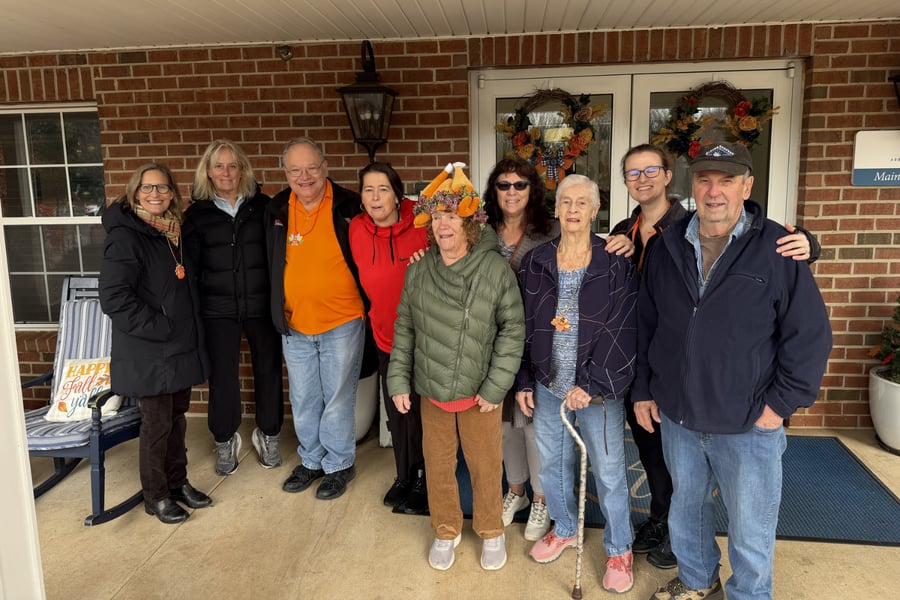
Imagine waking up on a Tuesday morning. You don't need to worry about mowing the lawn, fixing the leaky faucet, or figuring out what's for dinner tonight. Instead, you grab coffee, meet a friend for a fitness class, and spend the afternoon however you choose—reading, painting, exploring shops in downtown Herndon, or doing absolutely nothing at all.
That's not a vacation. That's a pretty typical Tuesday in an independent living community.
If you've been curious about what independent living actually involves—and whether the value adds up—this guide breaks it all down. No sales pitch, just the facts you need to make an informed decision on your own timeline.
What's Typically Included in Independent Living
The phrase "independent living" can feel vague, so let's get specific. While every community is different, most independent living communities in the Herndon, VA area and throughout Northern Virginia bundle a core set of services into one monthly fee. Here's what you can generally expect:
Dining and Meals Most communities include one to three chef-prepared meals per day, often served in restaurant-style dining rooms. Many offer flexible meal plans so you can eat on your own schedule—not someone else's. Some communities also have bistros, cafés, or private dining rooms for hosting guests.
Housekeeping and Laundry Regular housekeeping—typically weekly or biweekly—is standard. Many communities also include linen service and laundry facilities. That alone can free up several hours each week.
Home Maintenance and Repairs No more calling a plumber, scheduling HVAC maintenance, or climbing a ladder to clean gutters. Communities handle all interior and exterior maintenance, from lightbulb changes to snow removal.
Social and Wellness Programs Fitness centers, group exercise classes, art studios, game rooms, libraries, and packed activity calendars are common. You can see the amenities commonly found at Herndon senior living communities to get a concrete picture of what's available.
Transportation Scheduled transportation to medical appointments, shopping centers, and local attractions is often included. For those living near Tysons, Vienna, or the Dulles corridor, this can be especially valuable given Northern Virginia traffic.
Utilities and Basic Services Electricity, water, cable, Wi-Fi, and trash removal are usually bundled in. Some communities also include a basic emergency response system in each residence.
What Usually Costs Extra
Transparency matters, so it's worth knowing what falls outside the standard monthly fee. These extras vary by community, but common add-ons include:
-
Personal care services like medication management or help with bathing (these are typically part of assisted living, not independent living)
-
Salon and spa services such as haircuts, manicures, or massage
-
Guest meals beyond a set number per month
-
Premium apartment upgrades like larger floor plans or preferred views
-
Pet fees (many communities are pet-friendly but may charge a deposit)
-
Special outings or trips beyond regularly scheduled transportation
Asking for a clear breakdown of what's included versus what's optional is one of the most important questions you can bring to any conversation with a community.
How the Costs Compare to Living at Home
Here's where things get interesting. Many people assume staying at home is the more affordable option—but when you add up the true cost, the math often tells a different story.
Consider what you currently spend each month on:
| Expense | Estimated Monthly Cost |
|---|---|
| Mortgage or property taxes | $800–$2,500+ |
| Homeowner's insurance | $100–$300 |
| Utilities (electric, gas, water, internet, cable) | $250–$450 |
| Groceries and dining | $400–$800 |
| Home maintenance and repairs | $200–$500 |
| Lawn care and landscaping | $100–$300 |
| Housekeeping services | $200–$500 |
| Transportation (car payment, insurance, gas, maintenance) | $400–$800 |
According to Genworth Financial's Cost of Care data, the median monthly cost of independent living in Virginia falls in the range of $3,500–$4,500, though communities in Fairfax County and areas like McLean, Great Falls, and Vienna may be higher depending on the amenities and location.
When you stack those home expenses against a single monthly fee that covers nearly everything, the gap narrows considerably. And that calculation doesn't even account for the hidden costs—the stress of coordinating repairs, the isolation of living alone, or the physical toll of maintaining a home.
If you want to dig deeper into the numbers, you can explore financial options and cost breakdowns for senior living in Herndon. You can also compare the real costs and benefits of staying at home versus moving to senior living in a free downloadable guide.
The Value That Doesn't Show Up on a Spreadsheet
Beyond the financial picture, independent living offers something harder to quantify but equally important: a lifestyle built around connection, convenience, and choice.
Social connection is one of the biggest draws. Research from the National Academies of Sciences, Engineering, and Medicine has found that social isolation significantly increases the risk of heart disease, stroke, and dementia. In an independent living community, opportunities to connect happen naturally—over meals, during classes, at community events—without requiring you to organize everything yourself.
Freedom from home upkeep doesn't just save money; it gives you back time and energy. Many residents say that shedding the responsibilities of homeownership let them rediscover hobbies, travel more, and simply enjoy their days without a mental to-do list running in the background.
To get a feel for what daily life actually looks like beyond the bullet points, you can discover what a typical day looks like in a Herndon senior living community.
Questions Worth Asking as You Research
Whether you're exploring options for yourself or gathering information to share with a family member, keep these questions in your back pocket:
-
What exactly is included in the monthly fee? Get specifics, not generalities.
-
How often do fees increase, and by how much? Ask for historical data.
-
What's the cancellation or move-out policy? Flexibility matters.
-
What dining options are available? Look for variety and choice, not a one-size-fits-all cafeteria.
-
What does the activity calendar look like this month? A current calendar tells you more than a brochure ever will.
-
Is transportation available for personal errands, not just medical appointments?
-
What happens if my care needs change? Understanding the continuum of support is essential.
You don't have to have all the answers right now. The fact that you're researching puts you ahead of the curve.
Keep Learning at Your Own Pace
Independent living is ultimately about gaining freedom—not giving it up. It's about choosing how you spend your time rather than spending it on things you didn't choose.
If you'd like a comprehensive overview you can read at your own pace (or share with family members), download our free guide to learn everything you need to know about independent living. It covers everything from what to expect financially to how to evaluate whether the timing feels right for you.