

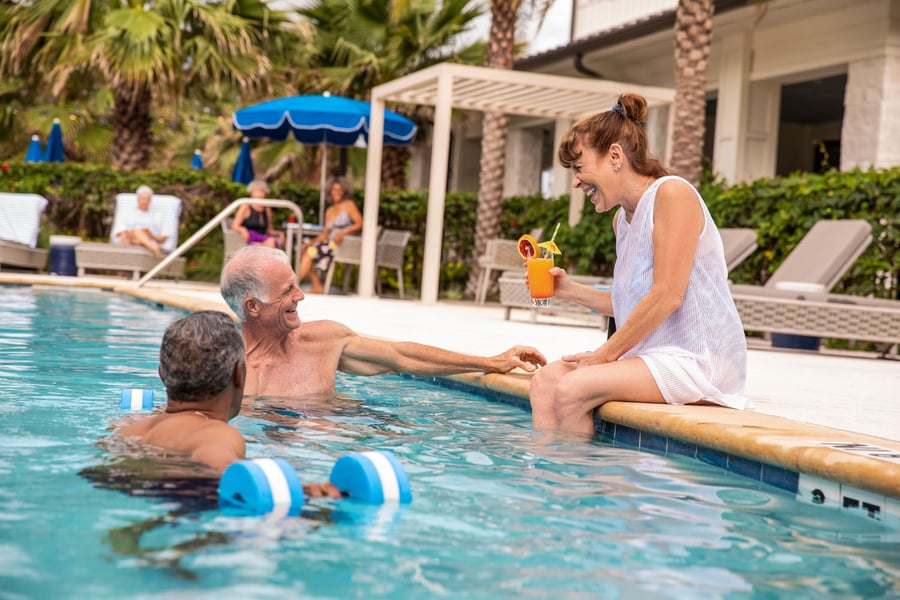
Miami is no stranger to heat. But when El Niño enters the picture, even lifelong South Florida residents can find themselves facing temperatures that push well beyond what's comfortable or safe. For older adults, this kind of prolonged, intense heat isn't just uncomfortable. It can be dangerous.
The good news? With the right information and a few smart habits, you can protect yourself and the people you care about. Let's walk through what El Niño means for Miami summers, why extreme heat affects seniors differently, and what you can do to stay ahead of it.
What Does El Niño Mean for Miami's Summers?
El Niño is a natural climate pattern that starts with warmer-than-usual ocean water in the Pacific. That might sound far away from Miami, but it has a ripple effect across weather systems worldwide. In South Florida, El Niño years tend to bring higher average temperatures, more humidity, and longer stretches of extreme heat that linger for days or even weeks without much relief.
Unlike a single hot day, these extended heat waves are what make El Niño seasons particularly concerning. The body doesn't get a chance to cool down overnight, which puts extra strain on your system. For anyone living in the Miami, Coral Gables, Coconut Grove, or Kendall areas, these patterns can turn a typical summer into something much more demanding.
Why Does Extreme Heat Hit Older Adults Harder?
Our bodies are remarkably good at regulating temperature, but that ability shifts as we get older. There are a few reasons seniors face greater risk during extreme heat:
-
Changes in sweat response. Older adults often sweat less efficiently, which means the body's primary cooling mechanism doesn't work as well.
-
Reduced thirst signals. You may not feel thirsty even when your body is already dehydrated. This is one of the most common and overlooked risks.
-
Chronic health conditions. Heart disease, diabetes, kidney issues, and respiratory conditions can all make it harder for the body to handle heat stress.
-
Medications that affect heat tolerance. Diuretics, beta-blockers, antihistamines, and some psychiatric medications can interfere with sweating, hydration, or blood flow, all of which matter in hot weather.
If you take any of these medications, it's worth having a conversation with your doctor before the hottest months arrive. Ask specifically how your prescriptions might affect your heat tolerance and what adjustments, if any, you should consider.
What Are Practical Strategies for Staying Cool and Safe?
You don't need to stay locked indoors all summer. But a few adjustments to your routine can make a meaningful difference during El Niño heat waves.
Hydration That Actually Works
-
Drink water throughout the day. Don't wait until you're thirsty. A good rule of thumb is to keep a water bottle within arm's reach at all times.
-
Add flavor with sliced fruit or cucumber if plain water doesn't appeal to you.
-
Limit caffeine and alcohol, which can speed up dehydration.
-
Eat water-rich foods like watermelon, cucumbers, and oranges.
Smart Scheduling
-
Plan outdoor activities for early morning or after 5 p.m., when temperatures drop.
-
If you enjoy walking, gardening, or other outdoor hobbies, shift them to cooler hours rather than skipping them entirely.
-
Check the heat index, not just the temperature. Miami's humidity can make 90°F feel like 105°F.
Cooling Techniques at Home
-
Use fans in combination with air conditioning, not as a replacement. Fans alone won't protect you when temperatures are truly extreme.
-
Take cool showers or use damp towels on your wrists and neck.
-
Close blinds on sun-facing windows during peak afternoon hours.
-
Make sure your AC is serviced and working well before summer peaks.
What Can Family Caregivers Do?
If you have a parent or loved one living independently in the Miami area, whether in South Miami, Doral, Little Havana, or Hialeah, extreme heat is something to take seriously during check-ins.
Here are a few things to look for:
-
Is the air conditioning working? Some older adults turn off AC to save on utility bills, which can be dangerous during heat waves.
-
Are they drinking enough water? Ask directly. If they seem unsure or dismissive, that's a signal to dig deeper.
-
Are they showing signs of confusion or unusual fatigue? These can be early symptoms of heat-related illness or signs of broader health concerns. If you're noticing these warning signs during heat events, they may point to bigger concerns about your parent living alone. Here are five health warning signs to watch for.
-
Do they have a plan for power outages? Hurricanes and storms during El Niño years can knock out electricity. Make sure they know where to go if they lose AC.
If you're managing your parent's care from another city or state, extreme heat adds another layer of worry. Here are practical ways to support a parent from afar, including during heat emergencies.
How Do Senior Living Communities Prepare for Extreme Heat?
One advantage of senior living communities is that they're designed with safety infrastructure that most private residences simply don't have. During heat waves, communities typically offer:
-
Climate-controlled common areas and residences that stay cool around the clock.
-
Staff trained to recognize heat-related illness and respond quickly.
-
Structured hydration support with water stations, reminders at meals, and staff who monitor intake.
-
Indoor activities and social programming so residents stay engaged without exposure to dangerous outdoor temperatures.
-
Backup generators to keep AC running during power outages.
This kind of built-in support doesn't replace personal responsibility, but it does add layers of protection that are hard to replicate when living alone.
How Can You Stay Safe This Summer?
El Niño heat waves don't have to be frightening. When you understand the risks, recognize the symptoms, and take a few proactive steps, you can enjoy your summer safely, whether that means morning walks, time with friends, or simply relaxing with a good book in a cool room.
For family caregivers weighing whether a parent's current living situation offers enough protection during extreme weather, it's worth exploring the options. This free guide comparing staying at home versus moving to senior living can help you think through what makes the most sense for your family.

_1500x1500.jpg?width=1500&height=1500&name=CORP%20-%20EBook%20Thumbnail%20Images%20-%20Where%20to%20Turn%20to%20in%20the%20Early%20Stages%20of%20Dementia%20(Comms%20with%20Bridges%20only)_1500x1500.jpg)