Wellness programming that addresses mind, body, and spirit is the foundation that determines whether a community helps residents maintain their health or simply manages decline.
Picture two communities side by side. Both have a calendar packed with activities: bingo on Tuesdays, a movie on Fridays, maybe a craft table in the common room. On paper, they look similar. But walk through the doors, and the difference is unmistakable. In one community, residents are going through the motions. In the other, they're getting stronger, sharper, and more connected than they were six months ago.
The difference? One has activities. The other has a wellness program.
If you're researching senior living options in the Glenview, IL area, whether for yourself or a family member, understanding that distinction can change the way you evaluate communities. Wellness programming that addresses mind, body, and spirit isn't a luxury perk. It's the foundation that determines whether a community helps residents maintain their health or simply manages decline.
Here's what to look for and why it matters.
How Do Activities Differ From a True Wellness Program?
Every senior living community will hand you a monthly calendar during a tour. That's expected. The question worth asking is: What's the strategy behind this calendar?
A thoughtful wellness program doesn't just fill time. It's designed around evidence-based practices that support physical function, cognitive health, emotional resilience, and social belonging. Each component feeds into the others.
A resident who builds strength through exercise sleeps better, which improves mood, which makes them more likely to participate in social activities, which reduces isolation. The cycle continues upward.
Structured, multi-dimensional wellness programs in community settings can lead to slower functional decline and better quality of life among older adults. This means your loved one may need less medical intervention, stay more independent longer, and feel genuinely good about where they live.
When a community offers wellness programming that spans across care levels, whether assisted living or memory care, it signals a commitment to supporting residents through every stage. If you're still sorting out which care type fits your situation, this guide to senior care options in Glenview is a helpful starting point.
What Should Physical Wellness Look Like in Senior Living?
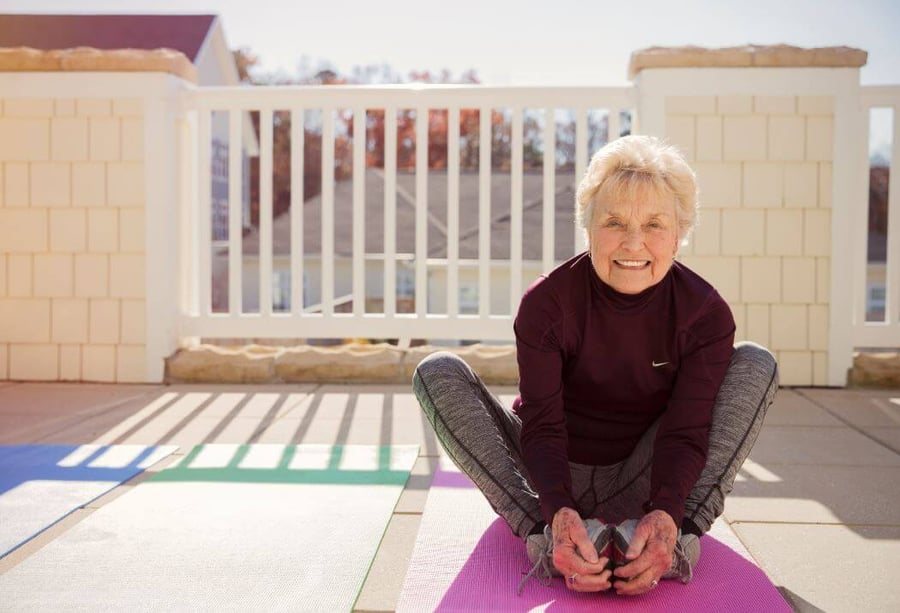
Physical wellness in senior living should look nothing like a dusty exercise area with a few machines in the corner. The communities that get this right invest in certified fitness professionals who understand aging bodies, trainers who know the difference between exercises that build functional strength and those that risk injury.
Look for programs that include:
-
Guided group classes like chair yoga, balance training, tai chi, and low-impact strength circuits
-
Tailored fitness plans developed by professionals who assess each resident's abilities and goals
-
Resident-led fitness clubs where seniors motivate each other, such as walking groups, stretching circles, and even dance classes
-
Physical therapy partnerships that connect clinical rehabilitation with everyday movement goals
The best programs meet residents where they are. Someone recovering from a fall has different needs than someone who walked two miles a day before moving in. Both should find programming that challenges them appropriately.
For more on how staying physically active supports longevity and vitality, download our free guide to vibrant senior living.
What Does Meaningful Cognitive Wellness Programming Include?
Cognitive wellness is about more than word searches and trivia (though those have their place). Strong programs incorporate activities that challenge different areas of the brain, including language, memory, problem-solving, creativity, and sensory processing.
Here's what meaningful cognitive programming can include:
-
Music therapy led by trained professionals, which can improve mood, reduce agitation, and stimulate memory recall, particularly for people living with dementia.
-
Brain fitness programs that use structured curricula rather than random puzzles.
-
Creative expression through painting, writing workshops, or storytelling groups.
-
Social gaming and recreation such as card clubs, chess, and strategy games that combine cognitive challenge with human connection.
-
Health education sessions that empower residents to understand and participate in their own care.
Cognitive health doesn't exist in isolation. It's deeply connected to physical activity, nutrition, sleep, and social interaction. That's why the best communities weave these elements together rather than treating them as separate line items on a schedule.
Why Does Spiritual and Emotional Wellness Predict Better Health?
This is the dimension families most often underestimate, and the one that may matter most.
Loneliness isn't just an emotional problem. It's a medical one, possibly linked to increased rates of heart disease, cognitive decline, and depression among older adults.
Spiritual and emotional wellness programming addresses this directly. It's not necessarily about religion (though faith-based offerings matter to many residents). It's about creating space for:
-
Reflection and mindfulness through meditation groups, journaling, and quiet spaces for contemplation.
-
Purpose and contribution through volunteer projects, mentoring opportunities, and resident councils where voices are heard.
-
Belonging and connection through shared meals, intergenerational programs, cultural celebrations, and simply having people who notice when you're not at breakfast.
In communities along the North Shore and in towns like Glenview, Wilmette, and the areas near Morton Grove and Lincolnwood, families often tell us that what finally put their mind at ease wasn't a feature on a brochure. It was seeing their loved one laugh with a new friend or light up during a group activity.
Wellness programming isn't a separate part of the day. In the right community, it's woven into the rhythm of daily life, from morning stretches to evening social gatherings.
How Can You Compare Wellness Programs During Your Search?
When you're visiting communities in the Glenview area, these questions will help you see past the surface:
-
Who leads your fitness programming? Look for certified trainers or exercise physiologists, not just activity staff filling in.
-
How do you tailor wellness to different ability levels? A community that offers one-size-fits-all programming isn't truly supporting every resident.
-
What does cognitive wellness look like beyond group activities? Ask about music therapy, brain fitness curricula, and programs designed specifically for residents living with memory challenges.
-
How do you address loneliness and social isolation? Listen for specific strategies, not vague reassurances.
-
Can I see your wellness space? Dedicated fitness centers, therapy areas, and gathering spaces signal that wellness is a priority, not an afterthought.
-
Do wellness programs continue if a resident's care needs change? The answer should be yes, with adaptations that keep residents engaged at every level.
A community that answers these questions with specifics and enthusiasm is one that takes whole-person wellness seriously.
What's the Next Step in Your Search?
Choosing senior living with wellness programs in Glenview, IL, is about more than finding a safe place. It's about finding a place where your loved one can maintain, and even improve, their physical, cognitive, and emotional health.
If you'd like to learn more about what an active senior lifestyle looks like at Arbor Terrace Glenview, we'd love to show you, so schedule a tour!. Explore our community, ask the tough questions, and see for yourself how wellness programming can make the difference between simply living somewhere and truly thriving there.