

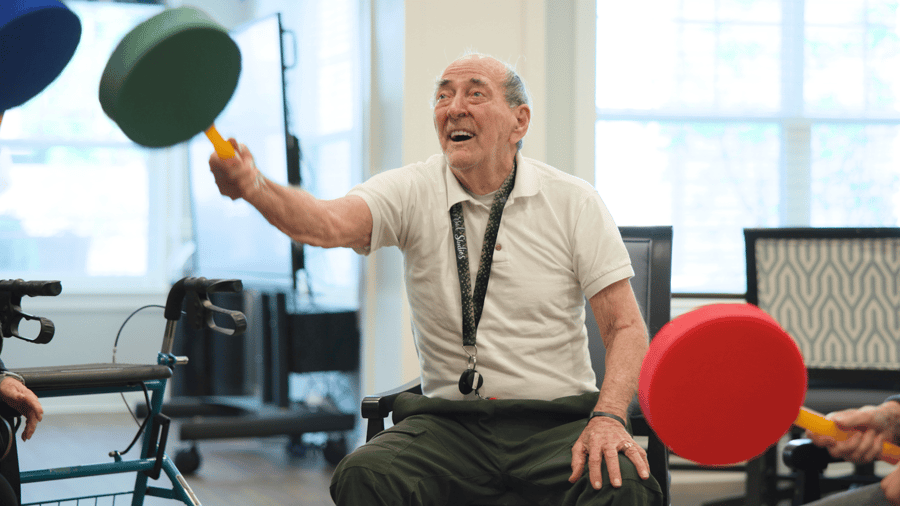
Your brain doesn't come with an expiration date. That might sound like an overstatement, but a growing body of research confirms it: the choices you make each day—what you eat for lunch, whether you take a walk around Evesham, how well you sleep tonight—directly influence how your brain functions in your 70s, 80s, and beyond.
A 2024 report from the World Health Organization estimated that lifestyle-related risk factors contribute to nearly 40% of all dementia cases globally. That means a significant portion of cognitive decline isn't predetermined. It's influenced by habits you can adjust starting now.
Whether you live in Marlton, Cherry Hill, Haddonfield, or anywhere across South Jersey, these five science-backed habits can help protect your cognitive wellness.
Build a Brain-Friendly Plate
The connection between diet and cognition is stronger than most people realize. Researchers at Rush University developed the MIND diet—a hybrid of the Mediterranean and DASH diets—specifically to support brain health. Their studies showed that people who closely followed the MIND diet had a 53% lower risk of developing Alzheimer's disease compared to those who didn't.
What does that look like in practice?
-
Leafy greens at least six times per week (spinach, kale, arugula)
-
Berries twice a week, especially blueberries and strawberries, which are rich in flavonoids
-
Fish once a week for omega-3 fatty acids
-
Nuts, beans, olive oil, and whole grains as daily staples
-
Limiting red meat, fried food, butter, and pastries
You don't have to overhaul your entire kitchen overnight. Even small shifts, like swapping butter for olive oil, or adding a handful of walnuts to your morning oatmeal, can add up over time. Want to dive deeper into age-specific nutrition? Our guide to eating healthy as you age is a great next step.
Get Moving, Even in Small Doses
Exercise doesn't just benefit your heart and muscles. It triggers the release of a protein called brain-derived neurotrophic factor (BDNF), which helps repair existing brain cells and encourages the growth of new ones. Think of BDNF as fertilizer for your neural pathways.
A 2023 meta-analysis published in the British Journal of Sports Medicine found that even 150 minutes of moderate activity per week—about 20 minutes a day—was associated with a measurable reduction in cognitive decline risk among older adults.
The best part? You don't need a gym membership. Walking through the neighborhoods of Moorestown or Mount Laurel counts. So does gardening, chair yoga, water aerobics, or dancing in your living room. The key is consistency, not intensity.
Seek Out Novelty, Not Just Puzzles
You've probably heard that crossword puzzles are good for your brain. They can be, but there's a catch. Once your brain masters a familiar type of puzzle, it stops working as hard. The cognitive benefit plateaus.
What matters more than repetition is novelty. When your brain encounters something unfamiliar, it has to form new connections. That's where the protective benefit comes from.
Some examples of brain-stimulating activities:
-
Learning a new card game or board game
-
Taking a class in a subject you've never studied—art history, astronomy, a new language
-
Trying a recipe from a cuisine you've never cooked before
-
Picking up a musical instrument for the first time (or the first time in decades)
-
Reading a genre you wouldn't normally choose
The common thread is challenge without frustration. Your brain benefits most when it's stretched just enough to stay engaged. For more practical strategies, download our Visual Guide for Keeping an Older Mind Sharp.
Invest in Your Social Life
Here's a fact that doesn't get enough attention: social isolation carries a cognitive risk comparable to smoking 15 cigarettes a day, according to research cited by the U.S. Surgeon General's 2023 advisory on loneliness. The brain is wired for connection. When that connection disappears, the brain suffers.
Conversation itself is a complex cognitive task. When you chat with a friend at a Medford coffee shop or catch up with a neighbor in Maple Shade, your brain is processing language, reading facial expressions, recalling shared memories, and generating responses—all at once. It's a full-brain workout disguised as a pleasant afternoon.
For seniors in Marlton and the surrounding Burlington County communities, staying socially engaged might look like:
-
Joining a book club or faith group
-
Volunteering with a local organization in Voorhees or Lumberton
-
Scheduling regular phone or video calls with family
-
Attending community events in Haddonfield or Southampton
-
Simply making it a point to have a meaningful conversation every day
The goal isn't to fill every hour with plans. It's to avoid prolonged periods of isolation, which quietly erode cognitive function over months and years.
If you're exploring how a supportive environment can make a difference for someone experiencing memory challenges, learn how memory support communities in Marlton enhance quality of life.
Prioritize Sleep and Manage Stress
Sleep isn't downtime for your brain—it's maintenance time. During deep sleep, your brain activates the glymphatic system, a waste-clearance process that flushes out beta-amyloid and tau proteins—the same proteins associated with Alzheimer's disease. Without adequate sleep, those proteins accumulate.
The National Sleep Foundation recommends 7–8 hours per night for older adults. If you're consistently getting less, or waking frequently, it's worth talking to your doctor. Common sleep disruptors for older adults include medications, sleep apnea, and chronic pain, all of which are treatable.
Stress plays a role too. Chronic stress floods the brain with cortisol, which over time can shrink the hippocampus—the brain region responsible for memory and learning. Effective stress management doesn't require anything elaborate:
-
Deep breathing exercises: Even five minutes can lower cortisol levels
-
Mindfulness or meditation: Apps like Insight Timer offer guided sessions for beginners
-
Time in nature: A walk through a park in Evesham or Berlin can lower stress hormones measurably
-
Limiting news consumption: Constant exposure to distressing headlines activates the brain's stress response
Sleep and stress management are often the last habits people address, but they may be the foundation that makes every other habit more effective.
Small Steps, Lasting Impact
Cognitive wellness isn't about one dramatic change. It's about layering small, sustainable habits into the rhythm of your daily life. Eat a few more leafy greens. Walk a little farther. Call a friend. Try something new. Go to bed at a reasonable hour.
None of these habits require specialized equipment or a medical degree. They're available to anyone living in Marlton, Hainesport, Cherry Hill, or anywhere across South Jersey. The most important thing to remember: your brain is still adapting, still responding, still capable of change.
If you're looking for ways to stay active and build more movement into your day, check out our handbook on vibrant living