
Maybe it started with a canceled gym membership. Or your parent mentioning they hadn't seen friends in weeks. Or a doctor gently suggesting that isolation and inactivity were doing more harm than the health conditions you were already managing.
When families in the Marlton, NJ area begin researching assisted living or memory care, the initial focus tends to land on medical needs: medication management, fall prevention, and emergency response. Those things absolutely matter. But there's a second question that deserves equal weight: Will this community help my loved one feel well, not just be safe?
The distinction is more important than you might think. And the answer often comes down to wellness programming.
Why Does Wellness Infrastructure Separate Good Communities From Great Ones?
Older adults who engage in regular physical, social, and cognitive activities experience slower rates of functional decline, regardless of their existing health conditions. The takeaway isn't surprising, but it's worth restating: staying active across multiple dimensions of health helps people live better, longer.
The challenge, of course, is that most older adults living alone struggle to maintain those habits. Transportation barriers, chronic pain, lack of motivation, or simply not having a partner to exercise with are common obstacles in communities throughout South Jersey, from Cherry Hill to Medford to Haddonfield.
That's where senior living communities can offer something difficult to replicate at home. The best ones don't just provide a fitness area and call it wellness. They build a coordinated system with professional staff, structured programming, and daily routines that weave physical, cognitive, and emotional health into the rhythm of each day.
Curious what a typical day looks like? Here's a closer look at daily life in assisted living.
How Should You Evaluate Physical Fitness Programming?
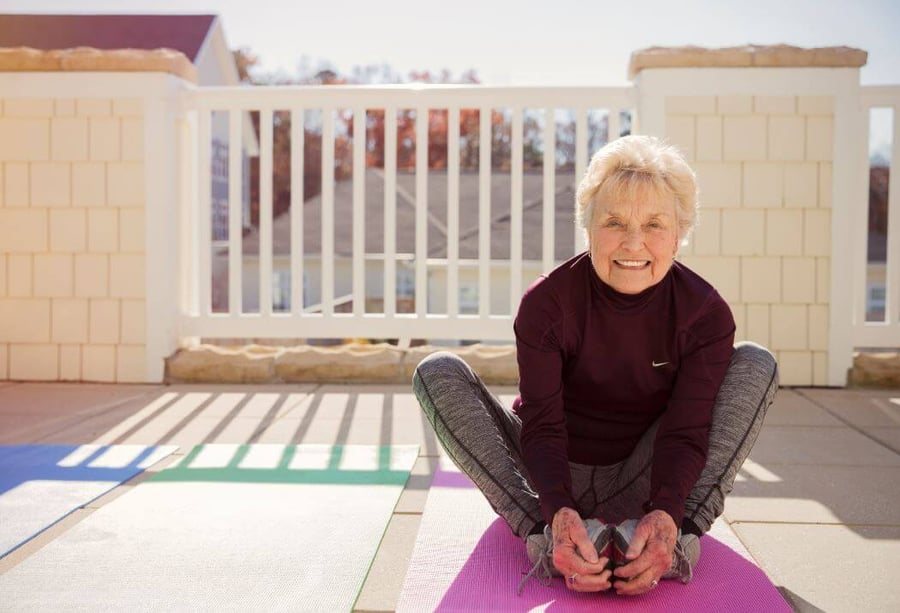
When evaluating wellness programs, start with physical fitness, but look past the equipment. A treadmill in a common area isn't a fitness program. What matters is who's guiding residents and how the programming is designed.
Strong communities offer:
-
Certified fitness trainers who understand the unique needs of older adults, including those with arthritis, balance concerns, or mobility limitations.
-
Group exercise classes that range from seated stretching and chair yoga to more vigorous options like resistance training or walking clubs.
-
Resident fitness clubs where seniors motivate one another and build consistency through accountability.
-
Physical therapy partnerships that connect residents with licensed therapists for rehabilitation or ongoing strength maintenance.
The goal isn't to turn anyone into a marathon runner. It's to help residents maintain the functional strength they need for everyday life: getting out of a chair, walking to dinner, and staying steady on their feet.
Families exploring options in Evesham, Moorestown, Voorhees, and surrounding areas should ask communities directly: Who leads your fitness programming? What certifications do they hold? How do you adapt exercises for residents with different abilities?
Download our free guide to staying active and vibrant in your senior years.
What Does Effective Cognitive Wellness Programming Look Like?
Cognitive health is about much more than crossword puzzles, though those have their place. Look for communities that take a layered approach to brain health, especially if your loved one is living with early-stage memory changes or dementia.
Effective cognitive wellness programming often includes:
-
Music therapy programs led by trained professionals, which research has linked to reduced agitation and improved mood in people living with dementia.
-
Brain fitness activities like trivia, storytelling circles, current events discussions, and strategy games that challenge different areas of cognition.
-
Health education sessions that empower residents to understand their own wellness and make informed choices.
-
Social gaming and recreation, from card tournaments to team-based activities, that stimulate problem-solving and social connection simultaneously.
The key distinction is intentionality. An activities calendar filled with entertainment is fine, but it's not the same as a program designed to support cognitive function. When comparing communities near Marlton, whether in Lumberton, Maple Shade, Southampton, or Mount Laurel, ask to see the programming schedule and look for evidence of structure and professional involvement.
Looking for brain health habits your loved one can start right away? Here are five to try this week.
Why Are Purpose and Connection So Important for Longevity?
Here's something that often gets overlooked during the research phase: emotional and spiritual well-being may be the single strongest predictor of how well someone adjusts to, and thrives in, a senior living community.
Research consistently shows that older adults who report a strong sense of purpose have a significantly lower risk of mortality, even after controlling for other health factors.
Wellness programs that address emotional and spiritual health might include:
-
Spiritual reflection and faith-based gatherings that honor diverse traditions and provide space for contemplation.
-
Volunteer opportunities and mentoring programs that give residents a sense of contribution.
-
Support groups and emotional wellness check-ins facilitated by trained staff.
-
Creative arts programming, including painting, writing, and crafts, that fosters self-expression and a sense of accomplishment.
These aren't extras. They're essential. Families in the Berlin, NJ and Hainesport areas, and across South Jersey, should look for communities where social connection and emotional health aren't afterthoughts but are built into the daily experience.
How Can You Evaluate Wellness When Comparing Communities?
Not all wellness programs are created equal. Here's a practical framework for assessing what a community actually offers versus what their brochure promises:
-
Ask about staff credentials. Are fitness instructors certified? Are therapists licensed? Is there a dedicated wellness coordinator?
-
Request the weekly programming schedule. Count how many activities address physical health, cognitive stimulation, social engagement, and spiritual well-being. A balanced calendar should touch all four.
-
Observe during your visit. Are residents actually participating? Is the fitness space being used? Do you see staff actively engaging with residents, or are people sitting alone?
-
Ask about tailored programming. How does the community adapt activities for residents with different ability levels, including those living with dementia or physical limitations?
-
Look for integration. The best programs don't treat mind, body, and spirit as separate tracks. They connect them: a walking group that ends with a guided reflection, or a cooking class that incorporates memory exercises.
These questions will help you distinguish between communities that treat wellness as a marketing term and those that treat it as a commitment.
Taking the Next Step
If you're exploring senior living options in the Marlton, NJ area for a parent or loved one, wellness programming is one of the most meaningful things to evaluate. A community that invests in the whole person, body, mind, and spirit, isn't just providing care. It's creating an environment where your loved one can maintain strength, stay mentally sharp, and find purpose every day.
Arbor Terrace Marlton believes that wellness should be woven into every aspect of daily life, not treated as an optional add-on. We invite you to come visit us and see how we make this commitment to wellness a reality!