When families first begin exploring senior living options, they often focus on details such as care levels, dining, and safety. While these are still important factors to consider, one of the most powerful contributors to quality of life is something more subtle—the way a community’s common spaces are designed. In fact, thoughtfully planned areas like lounges, courtyards, and dining rooms are often considered the very heartbeat of daily life, helping residents with vital quality of life necessities like forming friendships, staying engaged every day, and even creating a sense of belonging.
For seniors and their loved ones, one of the biggest concerns when considering a move is the fear of isolation. Families may picture sterile hallways or quiet, institutional spaces rather than lively, welcoming environments filled with laughter and connection. In reality, modern senior living communities are intentionally designed to bring people together, but don’t just take our word for it. Let’s look at some of the ways senior living can make a warm and engaging space for your loved one.
A Foundation for Friendship and Daily Connection
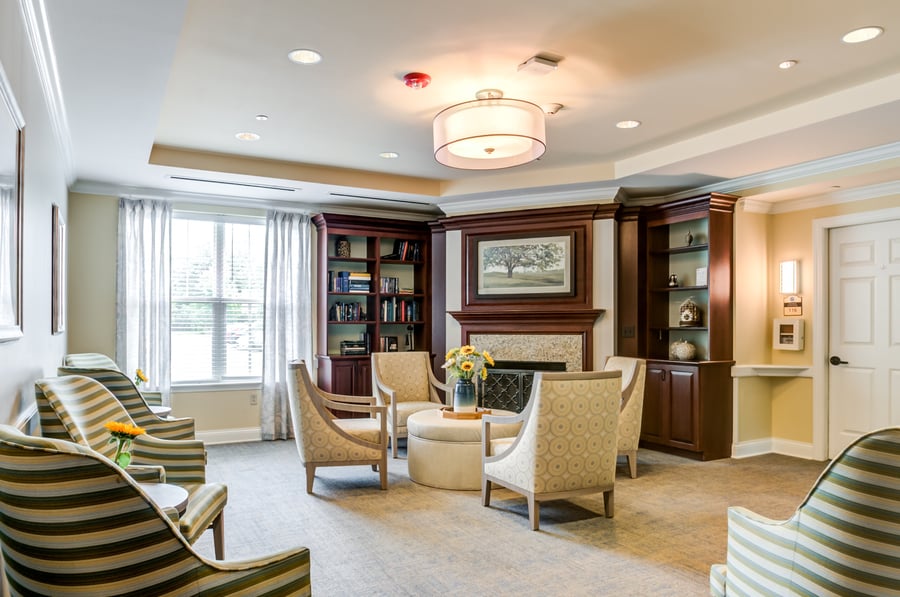
A notable mark of a good senior living community is whether their common spaces are treated as the heart of the community. These are the spaces where laughter is shared over morning coffee, where stories unfold beside a crackling fire, and where friendships naturally take root. Every color, layout, and piece of furniture should be thoughtfully chosen to make conversation feel effortless and life feel full.
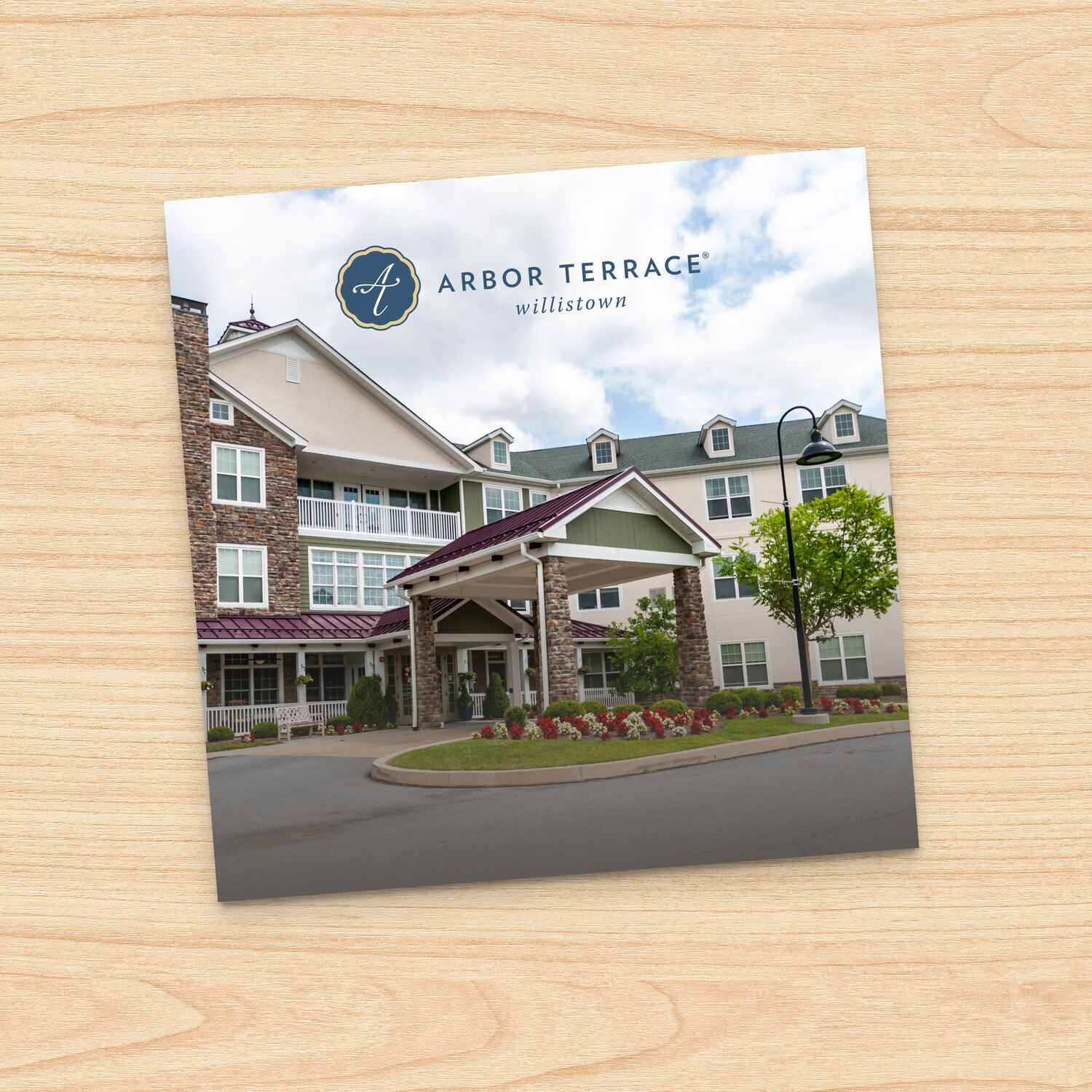
At Arbor Terrace Willistown, we take this into full account, and ensure we’ve created thoughtfully designed spaces where residents gather for both lively get-togethers and peaceful reflection. Our light-filled bistro is perfect for chatting over lunch, while our shaded patio offers a quiet place to relax with a book or good friend. Here, no one has to look far to find connection — it’s woven into the very design of our community.
If you’re just beginning to explore options for your loved one, you may find these guides helpful:
-
6 Key Indicators Your Loved One Is Ready for Assisted Living in West Chester, PA
-
What’s the Difference Between Personal Care and Assisted Living in West Chester
The Science Behind Design and Well-Being
Studies have shown that environment plays a critical role in emotional and cognitive health, especially for older adults. Aesthetic features such as natural light, color contrast, and accessibility are essential components of a supportive living experience. When seniors can navigate their surroundings confidently, they gain independence, feel more comfortable and safe, are more likely to engage in activities, and participate fully in community life.
Thoughtful design also reduces the risk of confusion or anxiety. Clear wayfinding and familiar furniture placement are effective features that allow residents to move through their day with ease. For families who worry their loved one might feel overwhelmed or lost, this intentional design can offer immense peace of mind.
Creating Spaces That Feel Like Home
A common misconception about senior living communities is that they feel impersonal or institutional. In truth, today’s best communities are designed to feel just like home, with a warm environment, welcoming staff, and an atmosphere filled with personality. Common areas such as art studios, libraries, and outdoor courtyards are thoughtfully equipped with everything residents need to enjoy their favorite pastimes and socialize well with others, which is vital for maintaining both mental and physical health.
Design Choices That Encourage Daily Engagement
Every design element, from the placement of seating to the lighting over dining tables, impacts how residents connect. For example, comfortable, moveable furniture encourages group interaction, while clear sight-lines between rooms make it easy to spot familiar faces.
At Arbor communities, shared spaces are intentionally located near activity centers, ensuring that daily programs naturally draw residents together. No matter if it’s morning coffee in the bistro, a painting class in the studio, or a movie night in the theater, these areas become gathering points that nurture genuine friendships and joy.
To learn how to evaluate a community’s environment firsthand, read How to Evaluate Personal Care Communities in West Chester!
How Design Reduces Loneliness and Builds Confidence
For many families, one of the hardest parts of helping a loved one transition to senior living is the fear that they will feel lonely. However, when common spaces are designed for engagement, those fears quickly fade.
Shared areas provide daily opportunities (e.g. during meals, activities, or casual conversations) to connect with others seamlessly. Residents are more likely to build relationships when they encounter friendly faces throughout their day, and as a result, this creates a sense of purpose and joy that can significantly improve mental health.
At the same time, residents who feel confident moving through their environment are more inclined to participate in activities and explore. A well-designed space gives them the freedom to live fully and independently while knowing support is always nearby.
Discover Connection at Arbor Terrace
Families often notice the atmosphere of a community as soon as they walk in the door. A welcoming lobby filled with natural light, a café buzzing with conversation, and cheerful residents gathered around a piano are clear signs of a thriving environment. These design choices reassure families that their loved one is not only cared for but also truly connected.
Choosing a community that values design and engagement ensures that your loved one’s new home will feel vibrant, inclusive, and full of life.
That’s why you can rest assured every detail at Arbor Terrace Willistown is designed with connection in mind. From inviting common areas to engaging programs and award-winning chef-prepared meals, residents enjoy a lifestyle that truly supports friendship and fulfillment every day.
Learn more about how community design and lifestyle go hand in hand by downloading our free guide: Staying at Home vs. Moving to Senior Living!