
What You'll Learn
If you're reading this, chances are you've already crossed one of the most emotionally loaded thresholds a family member can face: recognizing that your parent needs dedicated memory care. That decision alone took courage. Now you're standing in front of a different kind of challenge: figuring out which community will actually deliver the safety, engagement, and compassion your parent deserves.
For families in West Chester, Malvern, Exton, and surrounding Chester County communities, there are options to consider. But not all memory care communities are created equal, and knowing what separates good from great can save you from second-guessing later. If you're still in the early stages of deciding whether memory care is the right path, our practical guide to deciding on senior care for a parent can help you work through that broader question first.
This guide breaks down the features that matter most so you can walk into every tour with clarity and confidence.
Why Does Staff Expertise Come First When Evaluating Memory Care?
You can have a beautiful building with impressive design, but if the team inside isn't trained to support people living with dementia, none of it matters. When evaluating a community, start with the people.
Here's what to look for:
-
Specialized dementia training. Ask whether caregivers receive training specific to Alzheimer's disease and other forms of dementia, not just general senior care instruction. The best communities invest in ongoing education, not just a one-time orientation.
-
Consistent staffing. People living with dementia thrive on familiarity. High staff turnover can cause confusion and anxiety. Ask about staff retention rates and whether your parent will see the same faces each day.
-
Staff-to-resident ratios. A lower ratio means more attentive, responsive care. Don't be shy about asking for specific numbers.
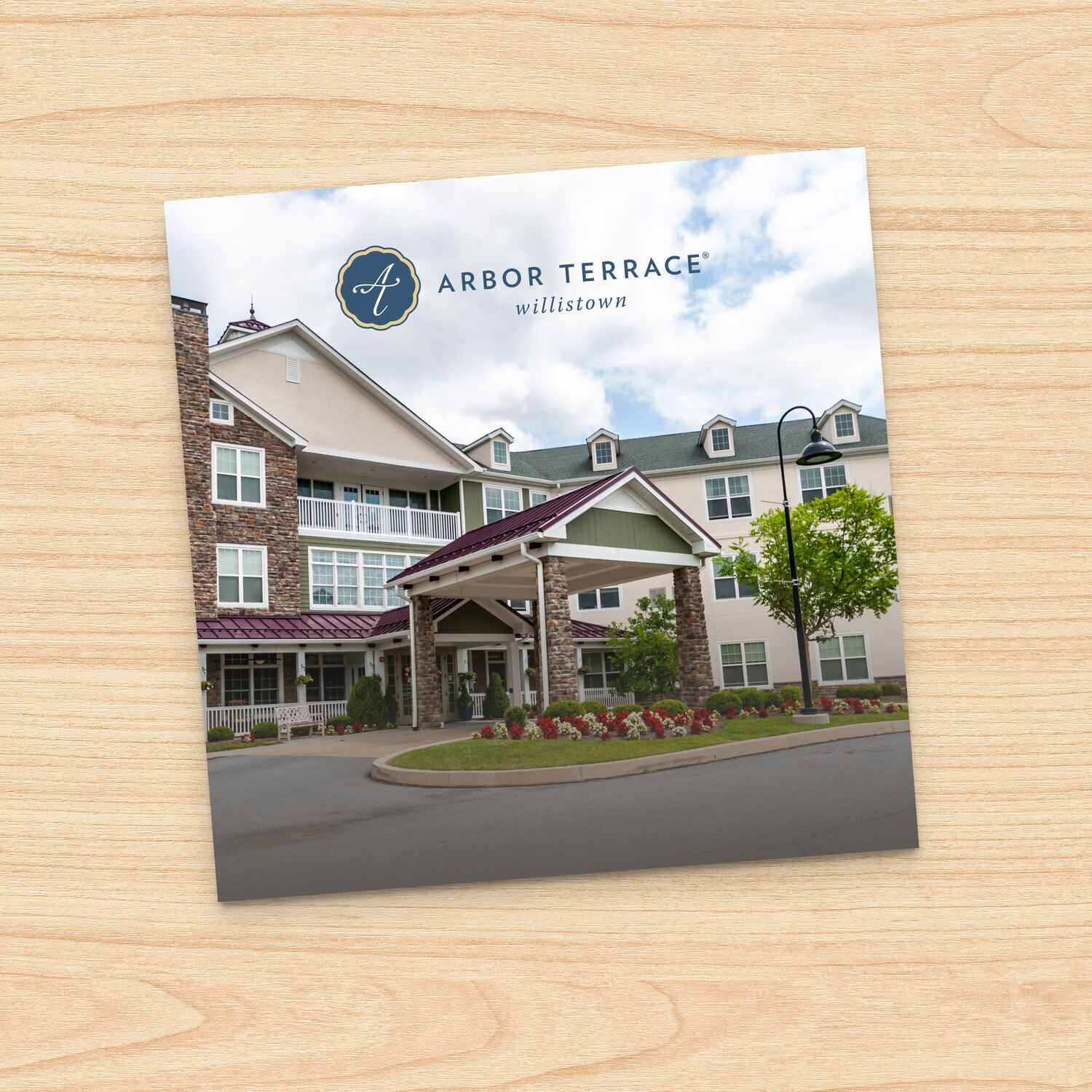
At Arbor Terrace Willistown, the memory care neighborhood is staffed by team members who receive specialized, ongoing training in dementia care techniques. This means caregivers understand not just the clinical aspects of memory loss, but how to connect with each resident through empathy, patience, and creativity.
For a deeper understanding of how dementia progresses and what care looks like at each stage, download our Caregiver's Complete Guide to Alzheimer's and Dementia Care.
What Makes Memory Care Activities Meaningful Beyond the Calendar?
A printed schedule packed with activities might look impressive on a brochure, but what matters is whether those activities are designed with purpose. For people living with dementia, meaningful engagement isn't about filling time. It's about preserving identity, sparking joy, and maintaining abilities.
When touring communities near Downingtown, Berwyn, or King of Prussia, ask questions like:
-
Are activities tailored to residents' past interests, careers, and hobbies?
-
How does programming adapt as a resident's cognitive abilities change?
-
Is there a mix of sensory, social, physical, and creative activities?
-
Do residents have opportunities for one-on-one engagement, not just group settings?
The memory care program at Arbor Terrace Willistown takes a structured approach to daily engagement that is built around each resident's life story. Rather than offering generic entertainment, the team designs programming that taps into long-term memories and personal interests, whether that's gardening, music from a favorite era, or hands-on cooking projects. This kind of purposeful engagement can reduce agitation and help residents feel a sense of accomplishment.
What Environmental Features Should You Look for in a Memory Care Community?
The physical design of a memory care community has a direct impact on how safe, calm, and comfortable your parent will feel. Great design goes beyond aesthetics. It's functional, intuitive, and therapeutic.
Key environmental features to evaluate:
-
Clear wayfinding cues. Color-coded hallways, visual landmarks, and memory boxes outside apartments help residents navigate independently.
-
Secured outdoor spaces. Access to fresh air and nature is essential for well-being. Look for enclosed courtyards or walking paths where residents can move freely without risk.
-
Residential-scale spaces. Smaller, intimate settings tend to reduce overstimulation compared to large, institutional layouts.
-
Thoughtful lighting and noise control. Harsh fluorescent lighting and echoing hallways can increase confusion and anxiety.
Arbor Terrace Willistown offers a warm, residential setting in the heart of Chester County that prioritizes comfort without sacrificing safety. The memory care neighborhood features secured access points, calming interior design, and outdoor spaces where residents can enjoy the beauty of the West Chester area.
How Do Families Stay Involved After Move-In?
One of the biggest fears family members carry is that once a parent moves into memory care, they'll feel disconnected from the process. The best communities don't just allow family involvement; they actively encourage it.
When comparing options in the Media, Glen Mills, or Frazer areas, pay attention to:
-
Communication frequency and transparency. How often will you receive updates about your parent's well-being? Is there a dedicated point of contact?
-
Care plan involvement. Are family members included in care planning conversations? Can you provide input as your parent's needs evolve?
-
Visiting policies. Are visiting hours flexible? Can you join your parent for meals or activities?
-
Family education and support. Does the community offer resources, support groups, or educational events for caregivers?
At Arbor Terrace Willistown, families are treated as partners in care. The team maintains open lines of communication and welcomes family participation in daily life, from shared meals to special events. This collaborative approach helps ease the guilt and worry that so many family members carry, and it helps your parent feel the continuity of your love and presence.
What Questions Should You Bring on Your Memory Care Tour?
Before you schedule your next visit, prepare yourself with the right questions. Here are a few that often reveal the most about a community's quality:
-
What specific dementia training do caregivers receive, and how often is it updated?
-
How do you handle behavioral changes like sundowning or wandering?
-
Can you walk me through a typical day for a resident?
-
What happens when a resident's care needs increase significantly?
-
How do you communicate with families about changes in a resident's condition?
Red flags to watch for:
-
Vague answers about staff training or turnover.
-
A one-size-fits-all approach to programming.
-
Residents who appear unengaged or isolated during your visit.
-
Reluctance to let you speak with current families.
Bring our printable Dementia Care Checklist with you on your next tour so you can evaluate each community systematically.
Take the Next Step with Confidence
Choosing memory care for a parent is one of the most significant decisions you'll ever make, and the fact that you're doing this research shows how deeply you care. The right community won't just keep your parent safe. It will honor who they are, engage them in meaningful ways, and welcome you as a partner in their care.
If you're exploring memory care options in West Chester and Chester County, we invite you to visit Arbor Terrace Willistown and see the memory care neighborhood firsthand. Our team is happy to answer your questions, walk you through the community, and help you understand what daily life looks like for residents and their families. Contact us to schedule a personal tour.