What You'll Learn
You've been keeping a mental list. The repeated phone calls asking the same question. The expired groceries in the fridge. The way your loved one seemed disoriented in their own neighborhood last week. Now you're trying to figure out whether personal care can provide enough support or whether they need the specialized structure of memory care.
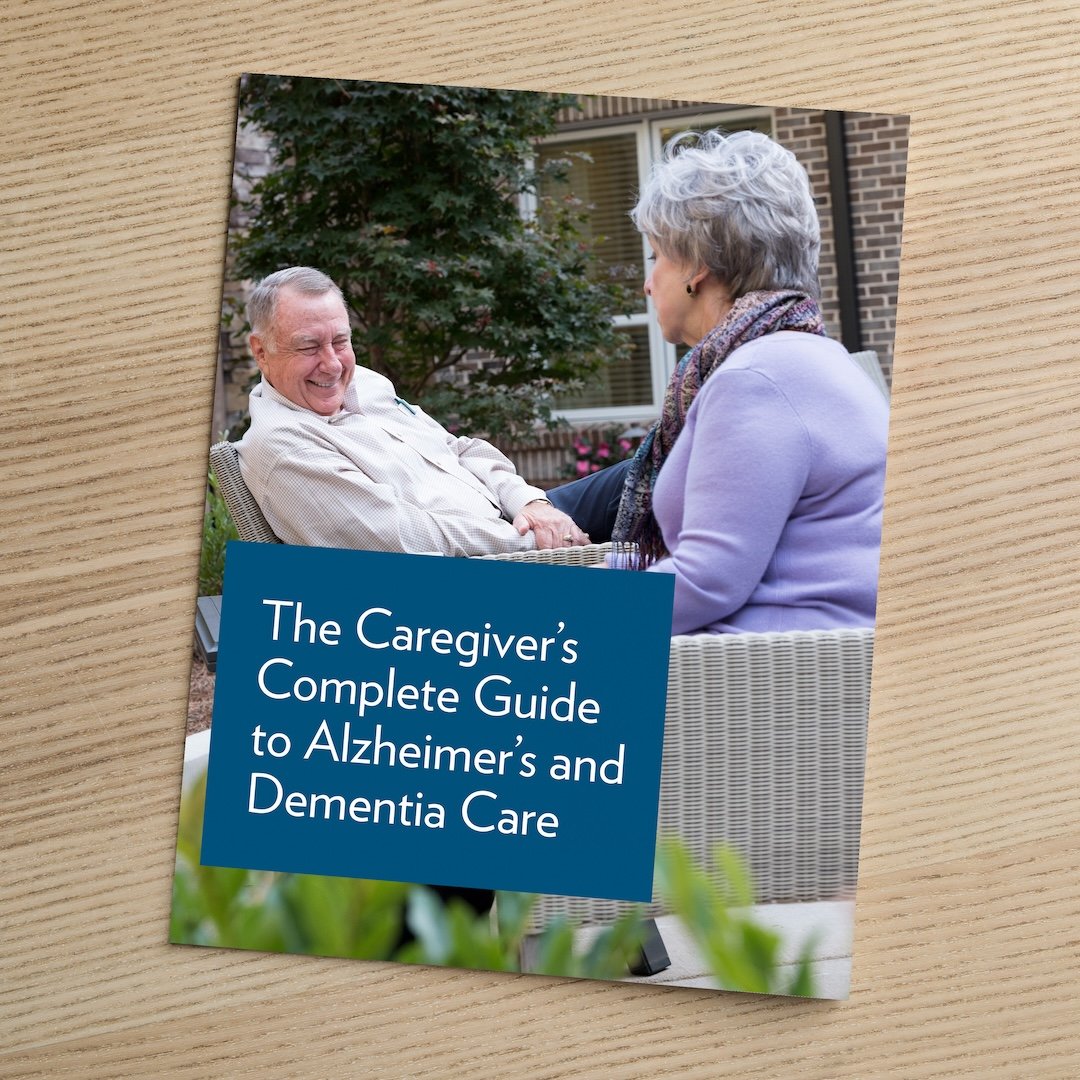
It's a distinction that matters enormously, and in the West Chester area, families have options for both. But understanding what separates these two levels of care in staffing, safety, daily structure, and cost is the first step toward making a confident decision. If you'd like a deeper dive before reading on, you can compare dementia care options side by side with our free comparison guide.
What Does Personal Care Cover, and Where Does It Reach a Ceiling?
A personal care community helps residents with daily activities like bathing, dressing, medication management, and meals. Residents typically live in private or semi-private apartments, enjoy social activities and outings, and receive support tailored to their needs.
For many older adults, including those with early-stage cognitive changes, personal care is the right fit. The environment offers independence with a safety net. Staff members are available around the clock, and residents can come and go from activities as they please.
But personal care communities are designed around a certain level of resident independence. The hallways aren't secured. Programming isn't built specifically for cognitive engagement. And the staff-to-resident ratio, while attentive, isn't calibrated for someone who may need redirection, cueing, or constant supervision.
That ceiling becomes relevant when a loved one's dementia progresses beyond the early stages.
How Is Memory Care Built for a Different Purpose?
Memory care isn't just personal care with a locked door. It's a fundamentally different model, designed from the physical layout to the daily schedule to the way staff members communicate.
Here's what that looks like in practice:
-
Secured environment. Memory care neighborhoods use secured entries and exits to prevent wandering, one of the most common and dangerous risks for people living with dementia. The layout is often simplified with fewer hallways, clearer sightlines, and visual cues to reduce confusion.
-
Higher staff ratios. Memory care communities typically maintain more caregivers per resident. Staff receive specialized training in dementia communication, behavioral responses, and techniques for redirecting anxiety or agitation without medication.
-
Structured, purposeful programming. Activities in memory care aren't just entertainment. They're designed around cognitive stimulation, sensory engagement, and familiar routines that help residents feel grounded. Montessori-based approaches give residents meaningful tasks that match their abilities.
-
Coordinated care across disciplines. Memory care teams often include nurses, activity specialists, and caregivers who share observations daily, adjusting support as a resident's needs shift, sometimes week to week.
The goal isn't to restrict. It's to create a world that makes sense to someone whose brain is processing information differently.
What Drives the Cost Difference?
Families in Chester County, whether they're searching from Malvern, Exton, Downingtown, or West Chester itself, often notice a significant gap between personal care and memory care pricing. Understanding what's behind that gap can help the numbers feel less abstract.
Memory care typically costs more because of:
-
Staffing intensity. More caregivers per resident, with more specialized training, means higher labor costs, the single largest expense in any senior living community.
-
Specialized programming. Designing and delivering activities that are therapeutic, not just recreational, requires trained activity professionals.
-
Environmental design. Secured entries, sensory gardens, simplified floor plans, and safety modifications all add to the cost of building and maintaining a memory care neighborhood.
-
Around-the-clock clinical oversight. Many memory care settings include more nursing hours per day than a standard personal care community.
For a broader look at pricing in the area, our breakdown of senior living costs in the West Chester area covers what families can expect. And if you're still weighing whether in-home support might work instead, you may find it helpful to review how personal care costs compare to in-home care in West Chester.
How Do You Recognize When Personal Care Isn't Enough?
This is where many families get stuck. Your loved one may be doing well in some ways, enjoying meals and recognizing familiar faces, but struggling in others. Here are some signs that memory care may be the better fit:
-
Wandering or exit-seeking behavior. If your loved one has tried to leave their community or been found in unfamiliar areas, a secured environment becomes a safety necessity.
-
Increased agitation or sundowning. Late-afternoon confusion, restlessness, or aggression can be difficult for personal care staff to manage safely without specialized training.
-
Declining ability to participate in daily routines. When a loved one can no longer follow a multi-step process, such as getting dressed, navigating to the dining area, or managing personal hygiene, they may need more hands-on, cue-based support.
-
Caregiver burnout or frustration from current staff. If you're hearing from the personal care team that your loved one's needs are exceeding what they can provide, that's a clear signal. If caregiving days have become consistently difficult for you personally, it's worth paying attention to that, too.
-
Safety incidents. Falls, medication errors, or moments of significant disorientation are often the tipping point.
None of these signs mean you've failed. They mean your loved one's needs have evolved, and the right response is finding care that's built for where they are now.
What Does Arbor Terrace Willistown Offer Families in West Chester?
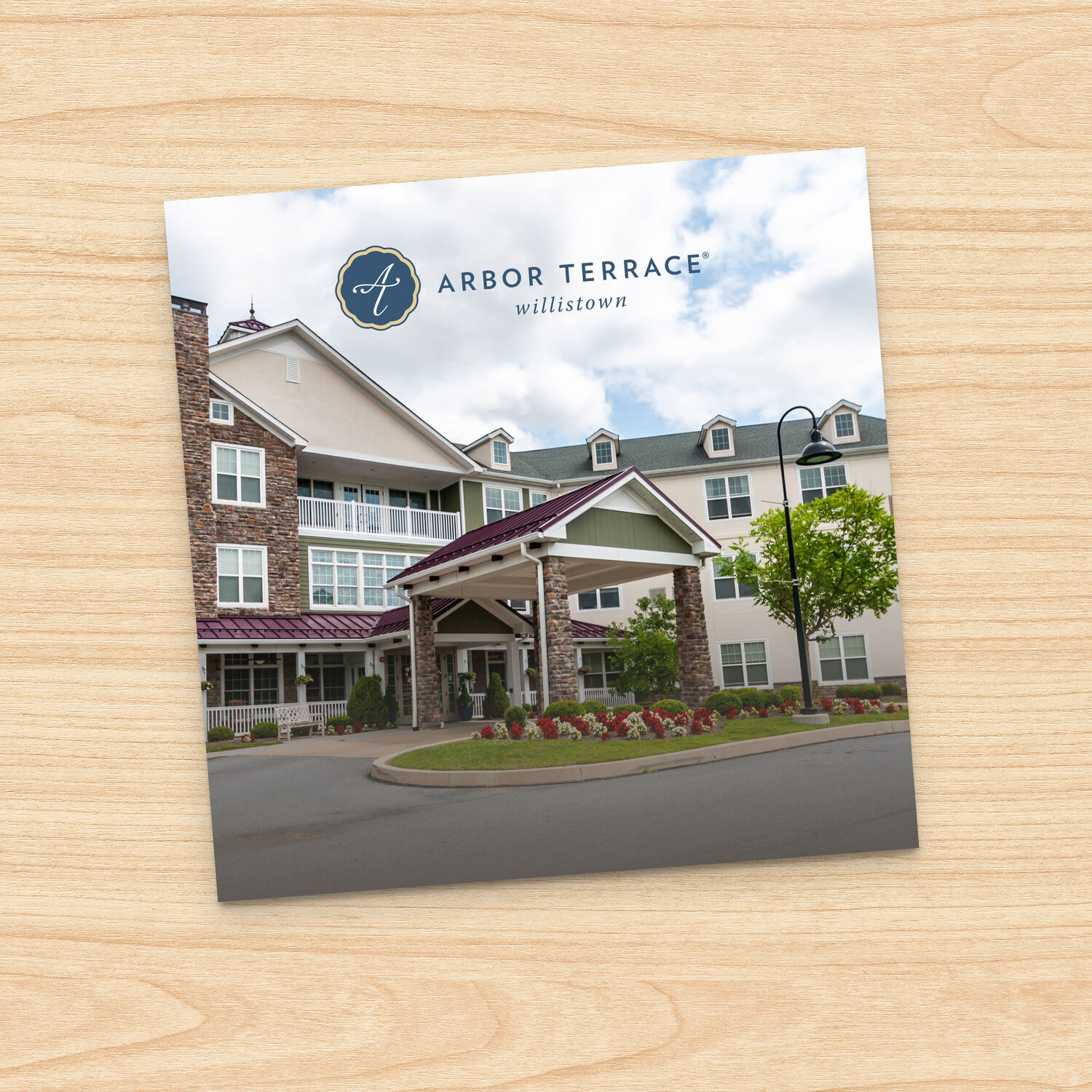
At Arbor Terrace Willistown, we offer both personal care and memory care under one roof, which means families don't have to start over if a loved one's needs change. Residents in our personal care neighborhood enjoy a warm, social environment with support tailored to their daily lives. And our memory care neighborhood provides the structured, secure, and deeply engaging environment that people living with dementia deserve.
Our team works closely with families throughout this process. We understand that choosing between personal care and memory care isn't just a logistical decision; it's an emotional one. We're here to answer questions honestly, walk you through what daily life looks like in each setting, and help you feel confident about the path forward.
If you're still gathering information, download our free guide to Alzheimer's and dementia care. It's a comprehensive resource designed for families navigating exactly this decision. And when you're ready, we'd love to schedule a conversation or a personal tour so you can see the difference for yourself.