
What You'll Learn
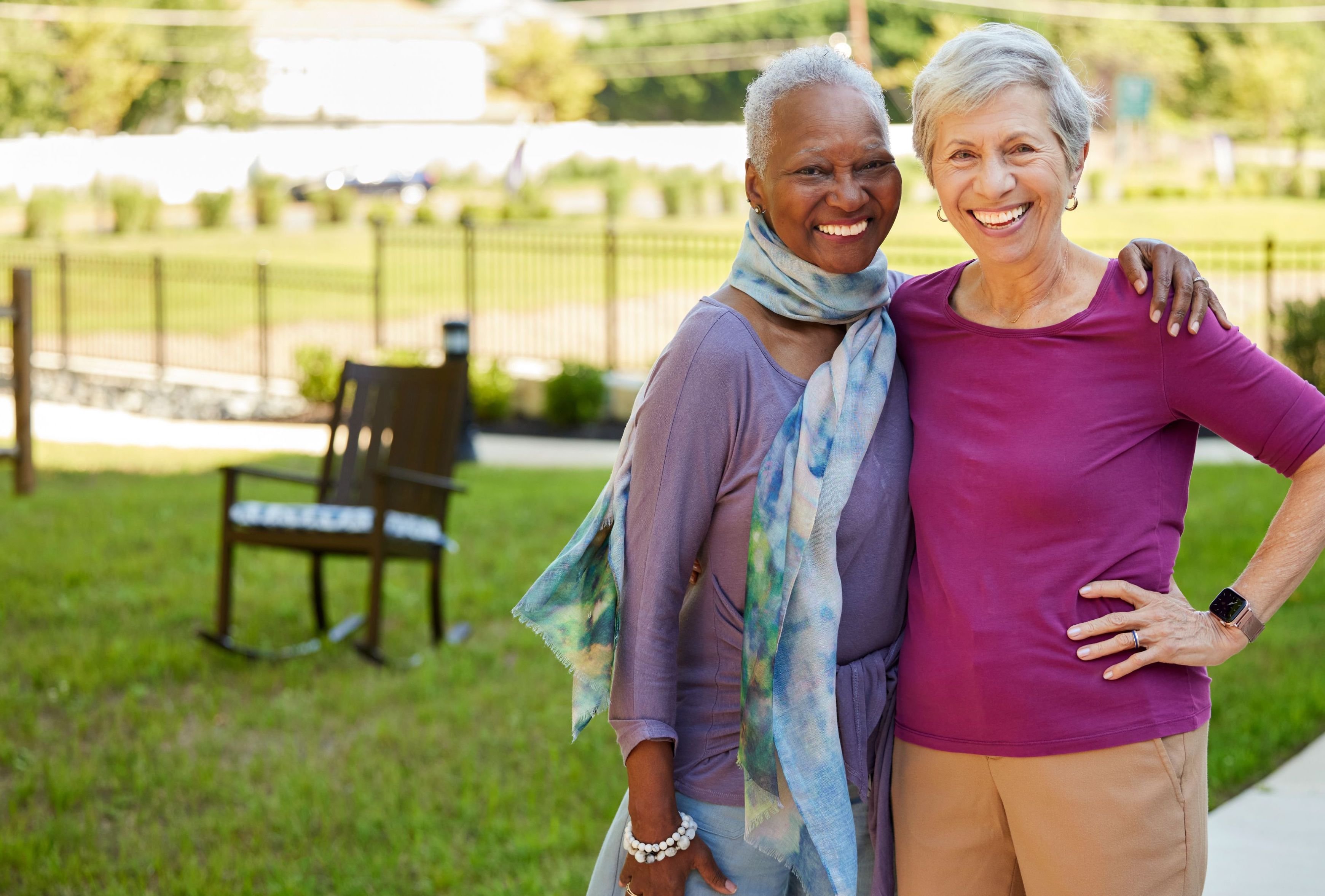
Friendship doesn't have an age limit. The right environment can make forming new bonds feel as natural as it did when you were young, and senior living communities in Lakeway, TX are designed to make that happen.
Why Does Friendship Matter More Than Ever?
Friendship isn't just nice to have. It's essential to your health.
Researchers at Brigham Young University analyzed data from more than 300,000 people and found that those with stronger social relationships had a 50 percent greater likelihood of survival. That's a bigger effect than exercising regularly or quitting smoking. The National Institute on Aging has also linked loneliness and social isolation to higher risks of heart disease, depression, and cognitive decline.
The challenge is that as we get older, the natural places where friendships form tend to shrink. Workplaces, school events, and neighborhood gatherings fade. Friends move away. Spouses pass on. Driving becomes harder. Before long, the days can start to feel very quiet.
Social isolation is one of the risks of aging at home that rarely gets discussed openly. It doesn't happen all at once. It creeps in gradually, a missed lunch here, a canceled visit there, until the gap between you and the people around you feels too wide to close.
That's what makes senior living communities in places like Lakeway, TX so different. They're built around connection.
What About the "I'll Never Fit In" Fear?
Let's talk about the anxiety that almost nobody says out loud: What if I move in and nobody talks to me? What if I don't belong?
That fear is valid. Walking into an unfamiliar place, especially one that will become where you live, takes courage. It can feel like being the new kid at school, except you're 80.
Many senior living communities understand this deeply, which is why they've created ways to make the transition gentler. One common approach is a resident ambassador program. These are current residents, people who remember exactly what it felt like to be new, who volunteer to welcome newcomers.
A resident ambassador might sit with you at your first meal, introduce you to a few neighbors, or simply check in during your first week. It's a small gesture that makes an enormous difference. Instead of walking into a dining area full of strangers, you walk in with someone who already knows your name.
In the Lakeway area, nestled in the scenic Hill Country near Lake Travis, the welcoming atmosphere of senior living communities often extends beyond a single program. When a community is designed around shared spaces like gardens, sitting areas, and activity areas, casual encounters happen naturally. You don't have to force conversation. It just unfolds.
How Do Shared Activities Build Real Bonds?
Here's something researchers have known for years: friendships form fastest when people do things together. Not just sit together, but work on something, learn something, or laugh at something side by side.
Psychologists call this the "proximity principle" combined with "shared experience." In everyday terms, it means that painting a birdhouse next to someone for an hour creates a stronger bond than an hour of small talk.
That's why activity calendars at senior living communities aren't just about filling time. They're about creating the conditions where friendships grow. Think about:
-
Group fitness classes where you cheer each other on
-
Book clubs that spark lively debates
-
Gardening groups where you get your hands dirty together
-
Game nights where a little friendly competition breaks the ice
-
Music programs where everyone sings slightly off-key, and nobody minds
For those exploring an active senior lifestyle in the West Austin and Lake Travis area, these kinds of shared activities are at the heart of daily life in many communities.
Why Does Friendship Look Different Later in Life?
One of the most meaningful things about friendship later in life is that it doesn't need to look the way it did at 30 or 50.
Maybe your new friend is the person who saves your favorite seat in the dining area. Maybe it's the neighbor who waves from her doorway every morning. Maybe it's someone who doesn't say much at all but always sits beside you during music hour.
These connections might seem small from the outside. But when your world has gotten quieter, when you've lost people you loved, even a familiar face and a warm hello can mean everything.
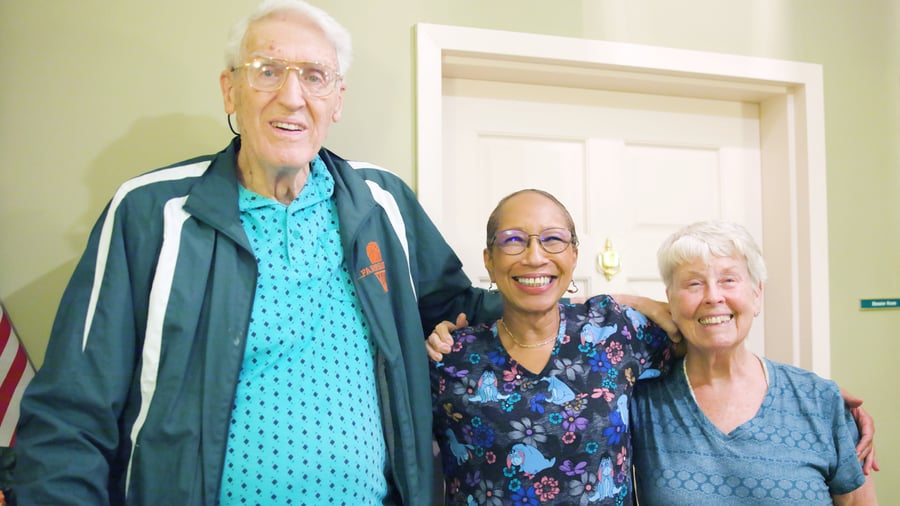
Many residents who were initially hesitant about moving to a senior living community say the friendships surprised them the most. Not just that they made friends, but how quickly those friendships felt meaningful. There's something about sharing this stage of life, the same joys, the same challenges, the same Tuesday meatloaf, that accelerates trust and closeness.
What if You're Still Unsure About Making the Move?
It's okay to feel uncertain. Moving from the place you've known for years is one of the biggest changes a person can face. You might worry about losing your routines, your privacy, or your independence.
Those feelings deserve respect, not dismissal.
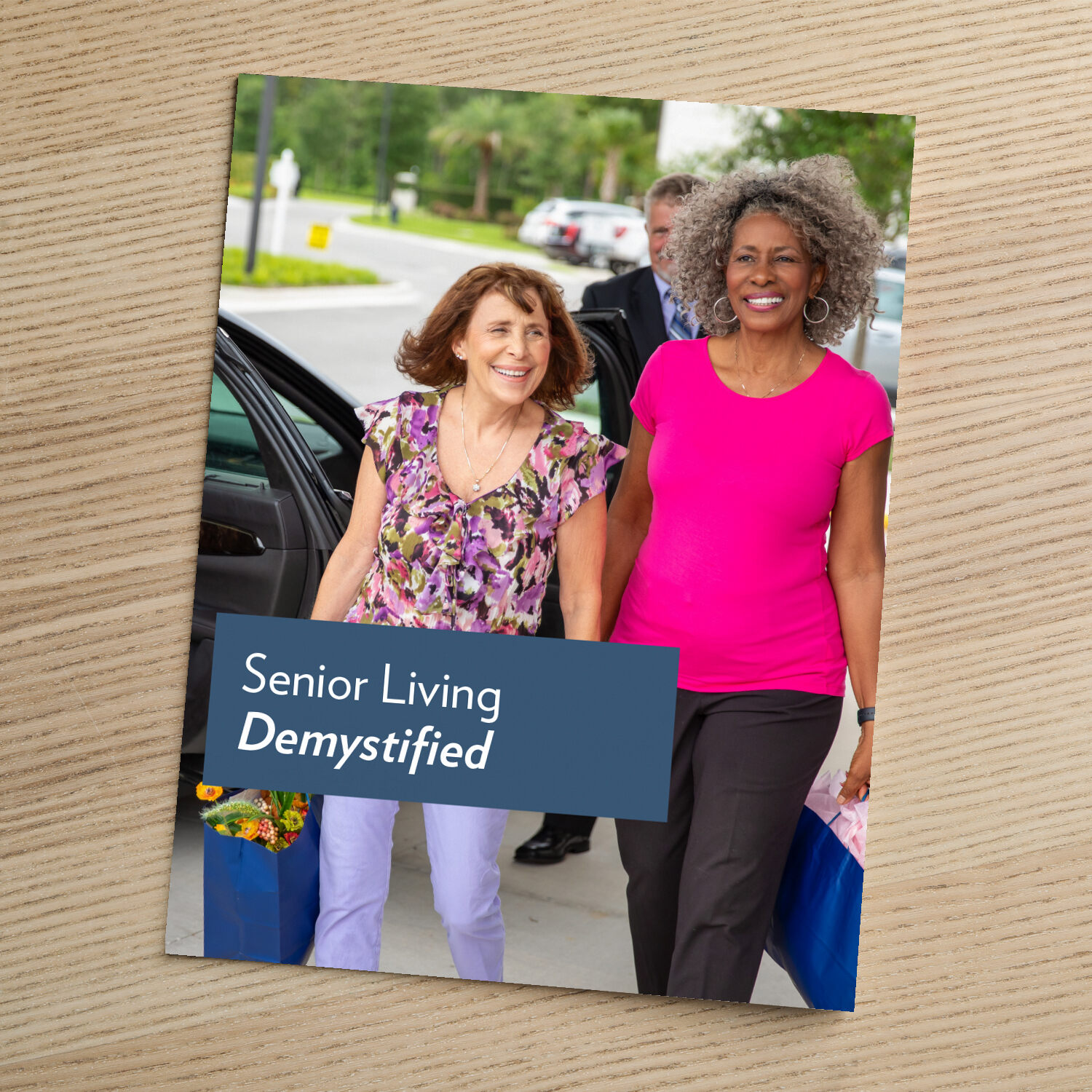
If you're still weighing whether a move is the right call, this guide can help you think it through.
What many people discover, though, is that the things they feared losing, a sense of self, a feeling of belonging, a reason to smile at breakfast, are the very things a community gives back to them. Not because the place is fancy, but because it's full of people.
And people are where friendship lives.
What's a Good Next Step?
If you're curious about what daily life in a senior living community actually looks like, the routines, the activities, the small moments that make it feel welcoming, we have a free guide that walks you through it. No pressure and no commitment.
Because the best friendships of your life might still be ahead of you. And that's a wonderful thing to look forward to.