
Picture your morning. Maybe you pour a cup of coffee, check the weather over Lake Travis, and settle into a familiar rhythm. What if that routine, those small, repeated choices, was quietly shaping the health of your brain for years to come?
Neuroscience has shown us something remarkable: the brain remains adaptable throughout life, even well into our 80s and beyond. Researchers call this neuroplasticity, and it means the habits you practice today can strengthen cognitive function tomorrow. The best part? These aren't exotic interventions. They're accessible, everyday choices.
Whether you live in Lakeway, the Hills, Steiner Ranch, or anywhere near the West Austin hill country, these six pillars of brain wellness can become part of your life starting now.
Your Fork Is a Powerful Tool for Brain Health
What you eat doesn't just fuel your body. It directly affects memory, focus, and long-term cognitive health. A landmark study from Rush University found that older adults who closely followed the MIND diet (a blend of Mediterranean and DASH eating patterns) reduced their risk of Alzheimer's disease by up to 53%.
The MIND diet emphasizes:
-
Leafy greens like spinach and kale (aim for six or more servings per week)
-
Berries, especially blueberries and strawberries, which are rich in flavonoids
-
Nuts, olive oil, and whole grains
-
Fish at least once a week
-
Limited red meat, fried food, pastries, and butter
You don't need to overhaul your entire kitchen. Start with one swap—say, adding a handful of walnuts to your afternoon snack or choosing grilled salmon over a burger at dinner. Small, consistent changes add up. For more on how your diet supports wellness as you age, including brain health. Explore our guide to eating healthy as you age.
Movement Isn't Just for Your Muscles
When most people think of exercise, they picture stronger legs or a healthier heart. But physical activity is one of the most well-documented ways to support brain health for seniors. A 2020 study published in Neurology found that older adults who engaged in moderate physical activity—even just brisk walking—had significantly greater brain volume in regions tied to memory.
The goal doesn't have to be ambitious. The Alzheimer's Research & Prevention Foundation recommends 150 minutes per week of moderate aerobic exercise. That's about 20 minutes a day. Consider:
-
A morning walk around your neighborhood in West Lake Hills or Spicewood
-
Water aerobics at a local pool
-
Chair yoga or tai chi, which also improve balance and reduce stress
Here in the Lakeway and Lake Travis area, the hill country offers beautiful motivation to get moving. Walking trails, gentle hikes, and even swimming provide low-impact options that benefit both body and mind.
The Social Brain: Why Connection Is Cognitive Medicine
Here's a fact that often surprises people: loneliness may be as harmful to the brain as physical inactivity. A study from the Global Council on Brain Health found that socially engaged older adults had a 26% lower risk of developing dementia compared to those who were more isolated.
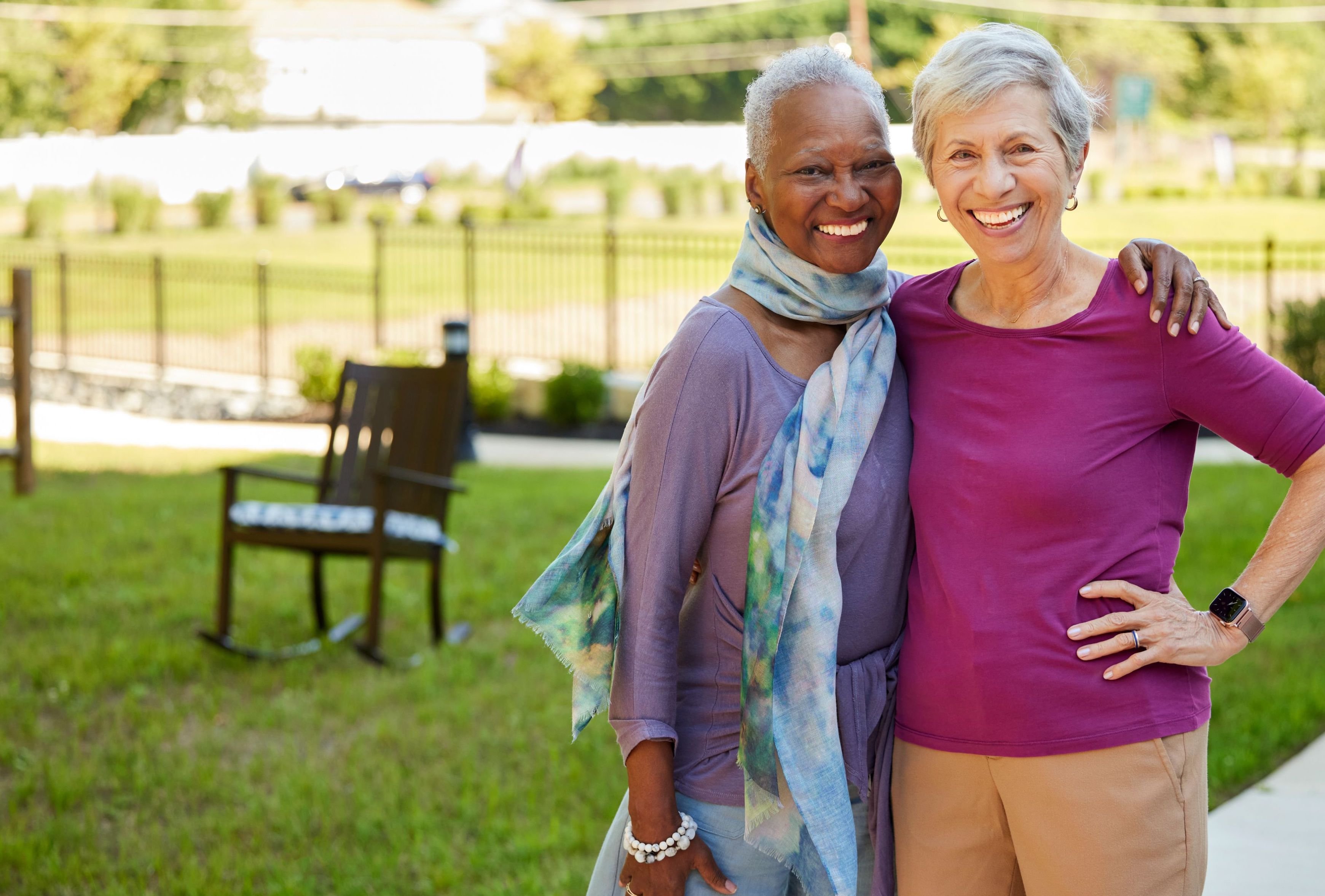
Your brain is wired for connection. Conversations, shared laughter, group problem-solving, and even friendly debate activate multiple brain regions at once. Language processing, emotional regulation, memory recall, and executive function all light up during social interaction.
For seniors living near Lake Travis, Round Rock, or throughout the greater Lakeway area, opportunities for connection might include:
-
Joining a book club, gardening group, or faith community
-
Volunteering with a local organization
-
Scheduling regular phone or video calls with family and friends
-
Attending community events or classes at a local recreation center
The key is consistency. Even brief, regular interactions make a meaningful difference.
Give Your Brain a Workout It Enjoys
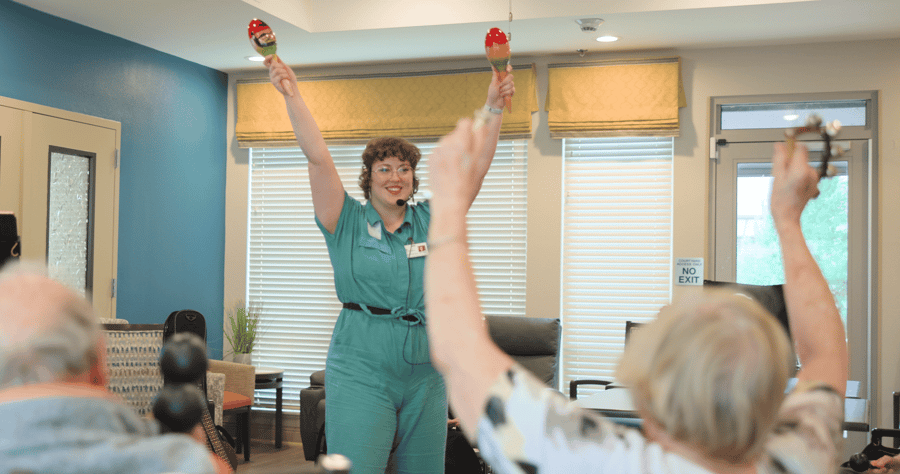
Cognitive stimulation doesn't mean sitting down with a stack of flashcards. The most effective brain exercises are the ones you actually want to do. Activities that are novel, slightly challenging, and engaging.
Research from the New England Journal of Medicine found that older adults who regularly participated in mentally stimulating leisure activities—like playing board games, reading, or learning a musical instrument—had a significantly lower risk of cognitive decline.
Some ideas to explore:
-
Learn something new. Pick up a language, try painting, or take an online course. Novelty is what drives neuroplasticity.
-
Play strategy games. Chess, bridge, and even certain video games challenge planning and problem-solving skills.
-
Write. Journaling, letters, or even short stories engage memory and creative thinking.
-
Mix it up. The brain thrives on variety. If you always do crossword puzzles, try switching to Sudoku or a jigsaw puzzle.
For a visual breakdown of daily habits that keep your mind sharp, download our free guide.
Sleep and Stress: The Often-Overlooked Pillars
These two factors don't get as many headlines, but they may be just as important as diet and exercise for protecting the aging brain.
Sleep
During deep sleep, the brain activates its glymphatic system, a waste-clearance process that flushes out beta-amyloid proteins linked to Alzheimer's disease. A 2021 study in Nature Communications found that adults over 50 who consistently slept fewer than six hours per night had a 30% higher risk of developing dementia.
Practical tips for better sleep:
-
Stick to a consistent bedtime and wake time
-
Keep the bedroom cool, dark, and quiet
-
Limit screen time an hour before bed
-
Avoid caffeine after noon
Stress
Chronic stress floods the brain with cortisol, which can shrink the hippocampus—the region essential for forming new memories. Managing stress isn't about eliminating it entirely. It's about building habits that help your brain recover.
Effective stress-management practices include:
-
Deep breathing exercises or guided meditation
-
Spending time outdoors (the hill country views around Lakeway certainly help)
-
Gentle stretching or yoga
-
Talking with a trusted friend, family member, or counselor
Small Steps, Big Impact
Protecting your brain health doesn't require a dramatic lifestyle change. It starts with small, daily decisions like choosing a salad over fast food, calling a friend instead of scrolling through your phone, going to bed 30 minutes earlier. Over weeks and months, these habits compound into something powerful.
The science is clear: cognitive wellness in your 70s and 80s is influenced far more by how you live than by luck alone. And no matter where you are in the Lakeway, West Austin, or Lake Travis area, these habits are available to you right now.
Looking for ways to stay active that also benefit your brain? Our handbook to vibrant living is packed with ideas.