Finding the right memory care community for your loved one is one of the most important decisions you'll make as a family. When someone you care about is living with Alzheimer's disease or another form of dementia, they need an environment designed to fully support their cognitive health and enhance their quality of life. For families throughout the greater North Shore area, understanding what to look for in memory care can make all the difference.
Six Essential Factors When Choosing Memory Care
1. Personalized Care Plans and Comprehensive Assessments
The foundation of quality dementia care in Glenview, IL, communities is individualized care planning. Before your loved one even moves in, the community should conduct thorough assessments covering:
-
Current cognitive functioning and specific diagnosis
-
Physical health conditions and medication needs
-
Personal history, preferences, and life story
-
Behavioral patterns and potential triggers
-
Family goals and concerns
Look for communities that involve family members in ongoing care planning. Your insights about your loved one's personality, routines, and preferences are invaluable. The best communities welcome your input and provide regular updates about any changes in needs or behaviors.
Questions to Ask:
-
How often are care plans reviewed and updated?
-
Who will be my primary point of contact for care-related questions?
-
How do you incorporate family input into daily care decisions?
-
What happens if my loved one's needs increase?
2. Safety and Security Features That Support Freedom
When evaluating Glenview Alzheimer's care options, safety is paramount—but it shouldn't come at the cost of dignity or freedom. The right security measures feel invisible to residents while providing families with crucial peace of mind.
Essential safety features include:
A Secure Environment: Electronic locks on exits that prevent unsupervised wandering while allowing free movement within the community. Look for communities where security doesn't feel institutional or confining.
Emergency Response Systems: 24/7 monitoring and immediate response capabilities for medical emergencies or resident needs.
Safe Physical Design: Layouts that minimize confusion, good lighting that reduces shadows and disorientation, color contrasts that help residents navigate, and elimination of hazards like sharp corners or tripping risks.
Staff Training: Team members are trained in dementia-specific safety protocols, including how to respond to wandering behaviors, agitation, or medical emergencies unique to cognitive impairment.
Modern memory care communities also incorporate technology thoughtfully. Some use unobtrusive monitoring systems that track movement patterns and alert staff to unusual behaviors without invading privacy.
Questions to Ask:
-
How do you prevent wandering while maintaining resident dignity?
-
What is your staff-to-resident ratio during different times of day?
-
How do you handle medical emergencies?
-
Are outdoor spaces secure yet accessible?
3. Engagement and Activity Programs Designed for Cognitive Health
Quality of life in memory care depends heavily on meaningful engagement. The best communities offer programming specifically designed for various stages of dementia—activities that are stimulating without being frustrating, social without being overwhelming.
Look for communities that offer:
Cognitive Stimulation: Failure-free activities that work different parts of the brain, from puzzles and reminiscing sessions to music therapy and art programs. Research shows that continued cognitive engagement can help maintain function longer.
Physical Wellness: Gentle exercise programs, walking groups, chair yoga, and movement activities adapted to various ability levels. Physical activity supports both cognitive and physical health.
Social Connection: Opportunities to build friendships with cognitive peers in a supportive environment. When everyone is experiencing similar challenges, residents feel less isolated and more understood.
Sensory Experiences: Multi-sensory activities that engage sight, sound, touch, and smell. Some communities use innovative tools like interactive projection games or music programs specifically designed for dementia care.
Life Skills Activities: Meaningful tasks like folding laundry, setting tables, or tending gardens that provide purpose and maintain functional abilities.
Questions to Ask:
-
Can I see your activity calendar for the month?
-
How do you adapt activities for residents at different cognitive levels?
-
What happens if a resident doesn't want to participate in group activities?
-
Do you offer programs in the evenings and on weekends?
4. Exceptional Dining and Nutrition Support
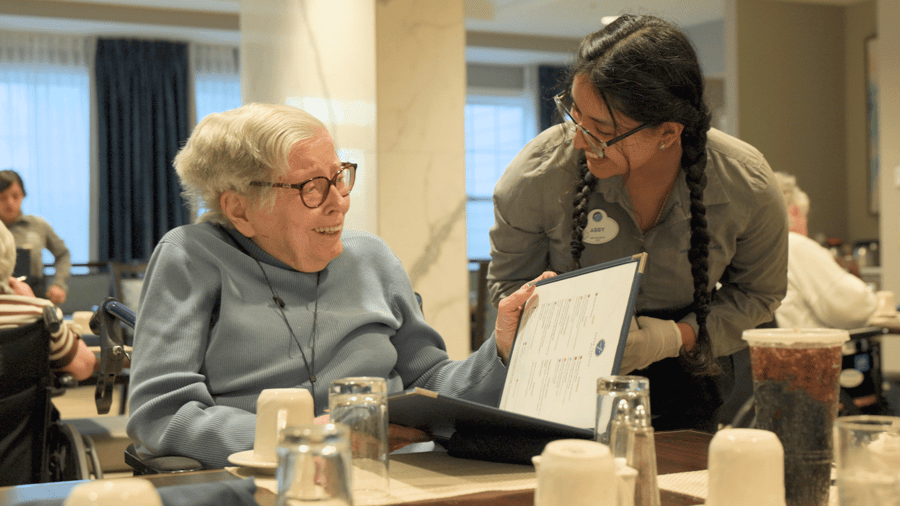
Nutrition becomes increasingly challenging as dementia progresses. People may forget to eat, lose interest in food, or develop difficulties with chewing and swallowing. Choosing memory care means finding a community that understands these challenges and addresses them with both expertise and compassion.
For example, The Arbor Company's award-winning Dining with Dignity® program exemplifies best practices in dementia dining. This specialized approach includes:
Menu Adaptations: Meals can be prepared in finger-food formats or with modified textures while maintaining nutritional value and appetizing appearance. If your loved one can no longer manage utensils comfortably, they should still enjoy delicious, dignified meals.
Calm Dining Environment: Dining rooms designed to reduce overstimulation while promoting social interaction. Smaller, quieter spaces often work better than large, loud dining halls for people with cognitive impairment.
Individual Preferences: Chefs who work around dietary restrictions, honor food preferences, and understand that sometimes comfort foods are more important than perfectly balanced nutrition.
Mealtime Support: Staff members who provide gentle assistance and verbal cues that encourage independent eating as much as possible.
Questions to Ask:
-
How do you handle residents who forget to eat or refuse food?
-
Can I observe a meal service?
-
How do you accommodate special diets or strong food preferences?
-
What happens if my loved one has difficulty using utensils?
5. Staff Expertise and Specialized Dementia Training
The quality of memory care ultimately depends on the people providing it. When touring communities, pay close attention to how staff members interact with residents. Do they make eye contact? Speak respectfully? Move at an unhurried pace? These details reveal a lot about the care culture.
Essential training components include:
Dementia-Specific Education: Staff should receive ongoing training in communication techniques, behavioral management, and understanding the progression of various types of dementia.
Person-Centered Care Approaches: Training in philosophies that prioritize individual needs, preferences, and dignity over convenience or institutional efficiency.
Behavioral Response Techniques: Skills for de-escalating agitation, redirecting challenging behaviors, and understanding the meaning behind dementia-related behaviors.
Family Partnership: Training in how to communicate effectively with families and involve them as partners in care.
Questions to Ask:
-
What dementia-specific training do your caregivers receive?
-
How often is training updated?
-
What is your staff turnover rate?
-
Can I meet some of the team members who would work with my loved one?
6. Family Communication and Ongoing Involvement
Placing a loved one in memory care doesn't mean stepping back from their life. The best communities recognize families as essential partners and create systems for ongoing communication and involvement.
Look for communities that offer:
Regular Updates: Scheduled calls or emails about your loved one's well-being, activities they enjoyed, any concerns that arise.
Accessible Leadership: Executive directors, nurses, and care coordinators who are available to address questions and concerns.
Visiting Flexibility: Welcoming policies for family visits, including opportunities to participate in activities or share meals.
Care Conferences: Regular meetings to review care plans, discuss any changes, and ensure everyone is aligned on goals.
Family Support Resources: Educational programs, support groups, or resources to help families navigate the emotional challenges of dementia.
Questions to Ask:
-
How will you keep me informed about my loved one's daily life?
-
Are there any restrictions on visiting hours?
-
How do you handle family concerns or complaints?
-
Do you offer support groups or educational programs for families?
Feel free to explore our complimentary resource, A Family Guide to Choosing Memory Care in Glenview, IL, and gain expert insight for the journey ahead!
How Arbor Terrace Glenview Stands Apart
While this guide helps you evaluate any memory care option, Arbor Terrace Glenview exemplifies the qualities families should seek:
Relationship-Centered Care: Deep Connections philosophy means staff truly know and value each resident as an individual. Care isn't just task-focused—it's relationship-driven.
Continuum of Care: From our Bridges program for early-stage cognitive support to comprehensive Evergreen memory care, residents can age in place as needs evolve.
Innovative Programming: Access to specialized dementia care tools and evidence-based programs backed by The Arbor Company's decades of expertise.
Beautiful, Purpose-Built Environment: Spaces designed specifically for memory care, balancing safety with homelike comfort.
Award-Winning Dining: Dining with Dignity® ensures nutrition never comes at the cost of independence or enjoyment.
Located in the heart of Glenview, Arbor Terrace combines the warmth of a locally-rooted community with the resources and expertise of a nationally recognized senior living provider.
Take the Next Step with Confidence
Choosing the right memory care community is an important decision, and we're here to help guide you. Schedule a tour of Arbor Terrace Glenview today to explore how our personalized memory care programs provide comfort, safety, and a high quality of life for your loved one. Call 224-516-0812 or visit ArborGlenview.com to begin your journey!