
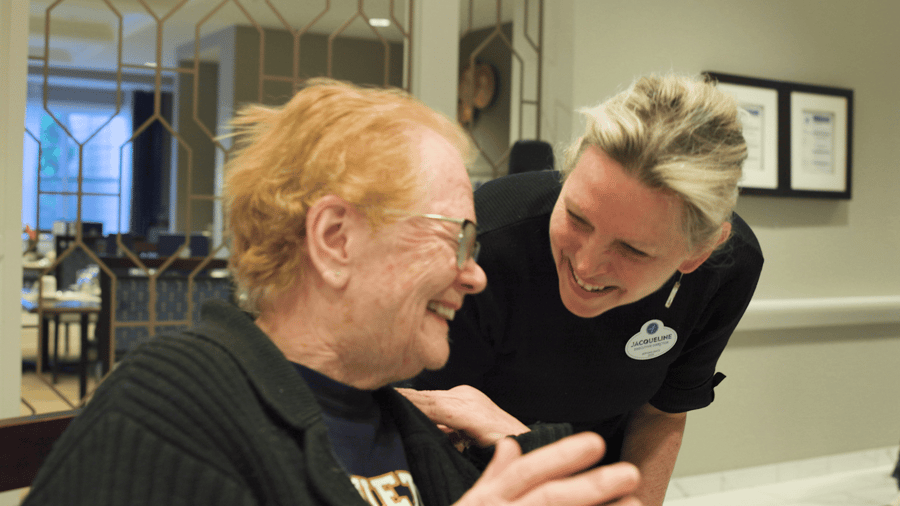
If you've noticed your loved one repeating stories, forgetting recent conversations, or withdrawing from activities they once enjoyed, you're not alone in feeling concerned. These early signs of cognitive change can leave families throughout Glenview and Chicago's North Shore feeling uncertain about what comes next. But don’t get too discouraged! The Bridges program here at Arbor Terrace Glenview offers specialized support designed specifically for adults living in the early stages of Alzheimer's disease or mild cognitive impairment. This program is exceptional in creating a nurturing environment where your loved one can maintain independence while receiving the right level of care.
But don’t just take our word for it—let’s explore what Bridges actually is and what it can do to help your loved one live their best life.
Understanding the Bridges Program
The Bridges program represents a unique solution for individuals who need more support than traditional assisted living provides but aren't quite ready for full memory care. This specialized neighborhood within Arbor Terrace was thoughtfully designed for adults experiencing early-stage cognitive decline, offering a vital bridge between independence and the need for more structured support.
Unlike typical assisted living where cognitive programming may feel too advanced, or memory care that can feel too limiting, Bridges creates an environment specifically calibrated for those in the early stages of dementia. Residents live among cognitive peers who understand the challenges of finding the right word or occasionally losing track of time, which can immediately reduce anxiety and foster genuine connections.
Three Key Factors That Make Bridges Different
1. Living Among Cognitive Peers Creates Authentic Connection
One of the most profound challenges of early-stage dementia is the exhausting effort many people make to "mask" their symptoms around others. At a regular restaurant or family gathering, your loved one might spend enormous energy trying to appear fine, leading to withdrawal and isolation. But you don’t have to worry about that in the Bridges neighborhood at Arbor Terrace, as residents live alongside others experiencing similar cognitive changes and can create genuine bonds easily.
No one at the dinner table minds if it takes a moment to find the right word. No one in the morning yoga class feels embarrassed about forgetting what comes next. This environment of acceptance and understanding allows residents to relax, be themselves, and form meaningful friendships without the stress of hiding their challenges. Research even shows that reducing this social anxiety and isolation can actually slow cognitive decline and improve quality of life!
2. Person-Centered Care That Honors Individual History and Preferences
At Arbor Terrace Glenview, the Bridges team recognizes that every resident brings a lifetime of experiences, preferences, and personality. As such, our program uses each person's unique history to create positive interactions throughout the day. Perhaps your mom always loved gardening, or your dad was an accountant who enjoyed working with numbers. Whatever the case, these details shape how team members engage with residents as individuals.
Additionally, you can rest assured that caregivers in our Bridges neighborhood receive specialized training in supporting early-stage cognitive decline. They use gentle cues and reminders that enhance independence rather than taking over tasks. This approach preserves self-esteem and autonomy, allowing residents to make their own choices about what to wear, what activities to join, and how to spend their time within a supportive framework.
3. Structured Routine with Abundant Choice
One of the foundations of our Bridges program is providing a structured daily schedule that brings comfort through predictability, while still offering multiple opportunities for residents to make their own decisions. Knowing what comes next without having to plan for it is key in reducing stress and confusion. But within that structure, residents still choose which activities to attend, what to eat from varied menu options, and how to spend their leisure time.
This balance is crucial. Too little structure can be overwhelming for someone with cognitive changes, but too much restriction feels infantilizing and diminishes quality of life. That’s why our team at Arbor Terrace Glenview found the sweet spot, so we can maintain a rhythm to the day while respecting each resident's independence and preferences.
Lesser-Known Insights About Early-Stage Memory Support
The Power of Failure-Free Activities
Most people don't realize that one of the greatest stressors for individuals with early cognitive decline is the fear of failure. To combat this, our Bridges program intentionally designs all activities and cognitive programs to be failure-free. Whether it's an art class, a cooking demonstration, or a memory exercise, the focus is on participation and enjoyment rather than performance. This approach builds confidence and encourages residents to stay engaged rather than withdrawing from activities out of fear of embarrassment.
Dining with Dignity® Makes a Meaningful Difference
A common complication of early-stage dementia often brings subtle changes to eating and nutrition. Your loved one might skip meals because they feel overwhelmed by meal preparation, or they might struggle with utensils in ways that cause embarrassment. Our Bridges neighborhood features Arbor's award-winning Dining with Dignity® program, where chefs and caregivers work together to notice nutrition challenges and create thoughtful adaptations. The dining environment itself is social but less stimulating than a busy restaurant, promoting meaningful conversation and connection while ensuring every resident receives proper nutrition.
Early Intervention Can Significantly Impact Disease Progression
While dementia isn't curable, research increasingly shows that early intervention through specialized programs like Bridges can slow disease progression and improve quality of life for years. Additionally, families who choose early support through programs like Bridges often see their loved ones maintain independence and joy far longer than those who wait until a crisis forces action.
Why Families Throughout Glenview and Chicago's North Shore Choose Arbor Terrace
Located in the heart of Glenview on Chicago's prestigious North Shore, Arbor Terrace Glenview brings The Arbor Company's 30-plus years of senior living expertise to your neighborhood. Families from Glenview, Northbrook, Wilmette, and surrounding communities trust Arbor's commitment to individualized care, luxurious comfort, and genuine family-like belonging.
Our community is continuously dedicated to combining local roots with the resources and support of a nationally recognized senior living provider. Residents also benefit from close proximity to NorthShore University HealthSystem and other top-rated North Shore healthcare providers, while families appreciate the convenience of staying connected to the community they've called home for years.
Your Next Steps Forward
Watching someone you love navigate early-stage cognitive changes feels overwhelming, but you don't have to figure this out alone. The compassionate team at Arbor Terrace Glenview is here to answer your questions, address your concerns, and help you understand whether the Bridges program might be right for your family.
Early intervention truly makes a difference! The supportive environment and specialized care available in the Bridges neighborhood can help your loved one maintain joy, dignity, and independence during this challenging time. You're making the right choice by learning about your options now rather than waiting for a crisis.
We invite you to schedule a personal tour of Arbor Terrace and experience our Bridges neighborhood firsthand. You’ll be able to see firsthand the warm, welcoming environment, meet our trained caregivers, and ask questions about how we support residents at this specific stage. Additionally, feel free to download our complimentary guide, Where to Turn in the Early Stages of Dementia, for additional insights to guide your decision!