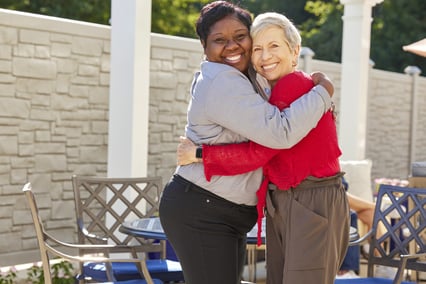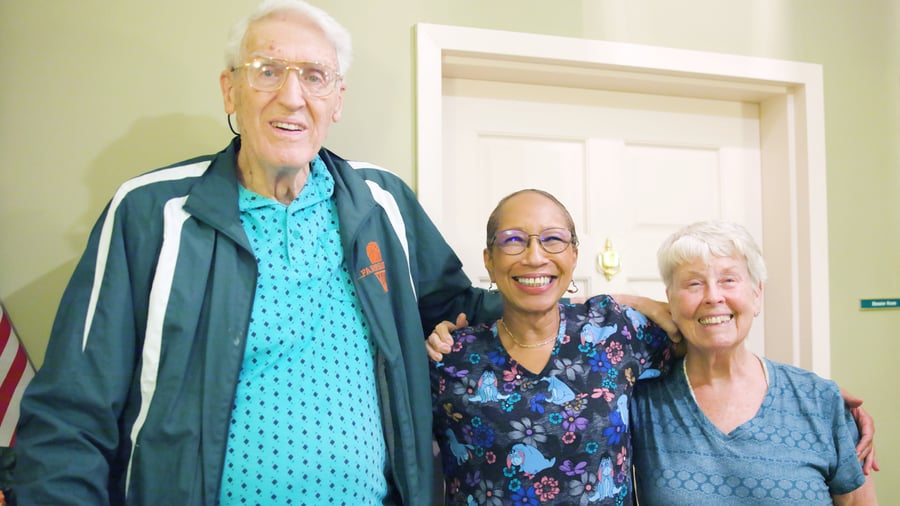
Walking into a dining room full of new faces can make anyone nervous. On your first night in a new place, eating alone in your apartment might sound a lot easier. But sometimes all it takes is one neighbor saving you a seat.
If you're anxious about moving somewhere new and leaving your familiar surroundings, routines, and neighborhood, that feeling is completely understandable. Change is hard, especially when it involves where you live. But many people who move to a senior living community in Fort Worth share the same surprise: they didn't expect to make friends, and then they did.
Why Does Nearly Everyone Worry About Fitting In?
Here's something that might be comforting to hear: nearly everyone who moves into a senior living community feels nervous about fitting in. You are not alone in that worry.
Maybe you've been living on your own for a while. Maybe the friends you had for decades have moved away or passed on. Maybe you think, "At my age, people aren't looking for new friends." That thought is incredibly common, and it's also not accurate.
Research from Michigan State University found that friendships become even more important for health and happiness as people get older. Among older adults, how much people valued their friendships was a stronger predictor of health and happiness than how much they valued family relationships.
The truth is, the desire for companionship doesn't have an expiration date. People at 80 and 90 still laugh at the same jokes, still enjoy sharing a story over lunch, still light up when someone remembers their name. That part of you hasn't gone anywhere.
If you've been spending more time alone than you'd like, you may already feel the weight of that isolation. The emotional cost of living alone often goes unnoticed: the quiet afternoons, the missed conversations, the days that blur together. Understanding what living alone costs beyond the bills can help put those feelings into perspective.
How Do Friendships Form When You Least Expect Them?
One of the biggest differences between making friends earlier in life and making friends in a senior living community is this: you don't have to go looking. The opportunities come to you.
Think about what daily life looks like in a community. You eat meals in a shared dining room. You pass neighbors in the hallway. You sit next to someone in an exercise class, a gardening group, or a book club. These small, repeated interactions are exactly how friendships begin, not with grand gestures, but with familiar faces.
Psychologists call this the "proximity effect." When people are physically near each other on a regular basis, bonds form naturally. Being in a community setting means that happens almost effortlessly. Senior living with on-site dining in Fort Worth, for example, means you're sharing meals with the same people each day. You start recognizing faces. Someone passes the salt. Someone compliments your sweater. Before long, you have a lunch companion.
Fort Worth has no shortage of activities and interests to explore, either. From local cultural outings to creative classes and fitness programs, there are plenty of ways to stay active after retirement in Fort Worth, and every shared activity is a chance to connect with someone new.
What Makes the First Day Easier?
One of the most thoughtful things many senior living communities do is pair new residents with someone who already lives there, a resident ambassador or welcoming committee member. This person knows what it's like to be new. They remember their own first day, their own nerves, their own uncertainty.
A resident ambassador might stop by to say hello, walk with you to your first meal, introduce you to a few people, or simply check in during those early days when everything still feels unfamiliar. It's a neighbor being kind.
For many people, this small gesture makes all the difference. It transforms "I don't know anyone here" into "At least I know one person." And that one person often becomes the bridge to several more.
This kind of built-in social structure is part of what makes community living so different from aging alone. If you're curious about what daily life in a community actually looks like, the shared meals, the common spaces, the natural rhythm of the day, this guide to senior living can help you picture it more clearly.
Does Friendship Have to Look the Way It Used To?
Sometimes people hesitate because they're comparing new friendships to ones that took decades to build. That's a lot of pressure to put on a Tuesday morning coffee.
Friendship at this stage of life can look different, and that's perfectly fine. It might be the person who always saves your favorite chair in the activity room. It might be the neighbor who waves from across the courtyard every morning. It might be someone who shares your love of crossword puzzles or old Westerns or Fort Worth history.
These connections don't have to be deep to be meaningful. A long-running Harvard study found that people who maintained social connections, even casual ones, had better physical health, sharper memory, and greater overall satisfaction with life.
You don't need a best friend. You just need people around you who notice when you're there and miss you when you're not.
What If You're Still Feeling Uncertain?
If you're reading this and still feeling uncertain, that's okay. Nobody is asking you to be excited about change. What matters is knowing that the worry you feel, about fitting in, about starting over, about whether this could ever feel right, is something almost every person in your position has felt. And most of them will tell you it turned out better than they expected.
You deserve to have people around you who care. You deserve to laugh over a meal, share a story, and feel like you belong somewhere.
If you're weighing whether community living might offer something that living on your own can't, especially when it comes to companionship and connection, this resource comparing senior living and staying at home may help you think through the decision at your own pace.