Skip to content Skip to footer
What a Whole-Person Wellness Program Should Include in Senior Living
6:56

Your parent used to do more. Not because they were busier, but because their life had a rhythm: a morning stretch routine, a neighbor to walk with, a reason to get dressed and go somewhere. When that rhythm fades, health doesn't just hold steady. It drifts.

That drift is what makes wellness programming such an important factor when you're comparing senior living communities in the Pompano Beach, FL area. Not wellness as a buzzword on a brochure, but wellness as a daily structure that helps residents maintain, and often improve, their physical, cognitive, and emotional health.

Here's what that should look like, and what to pay attention to as you evaluate your options.

Why Is Wellness More Than a Department in Senior Living?

Many families assume wellness means a fitness area and a few group activities each week. And yes, those things matter. But in the best communities, wellness isn't siloed into a single program or space. It's threaded through the entire day, from how meals are designed to how social spaces are arranged to how staff check in with residents.

Senior living communities with integrated wellness models tend to see measurable improvements in residents' functional abilities and self-reported quality of life. These models address physical activity, cognitive engagement, social connection, and purpose consistently.

That's the distinction worth understanding. A packed calendar of events can keep people entertained. A wellness strategy keeps people healthy. If you're exploring assisted living, memory care, or independent living near Fort Lauderdale, Coconut Creek, or Deerfield Beach, this is one of the most important differences to look for.

To see how wellness can be woven into every part of a resident's day, take a look at what a full day in assisted living actually looks like.

How Does Guided Fitness Build Physical Strength for Daily Life?

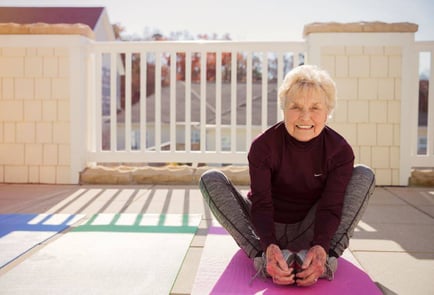
Physical wellness in senior living should be about more than access to equipment. It should be about guidance from certified fitness professionals who understand the specific needs of older adults and can design exercise that builds the kind of strength residents use every day.

That means balance training that reduces fall risk. Resistance exercises that make it easier to get out of a chair or carry a bag. Flexibility work that helps with reaching, bending, and dressing. Group classes that combine movement with social engagement.

Look for communities that offer:

  • Certified fitness trainers who specialize in senior wellness, not just general fitness

  • Progressive programs that adjust as residents get stronger or face new challenges

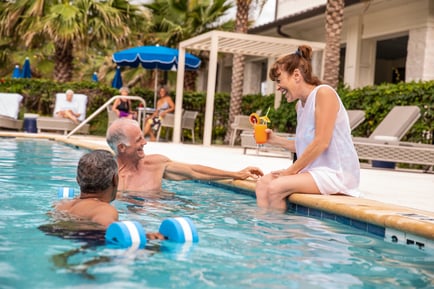
  • Variety, such as chair yoga, walking groups, aquatic exercise, tai chi, or resident-led fitness clubs

  • Physical therapy partnerships that allow rehab and wellness to work hand in hand

Want a practical guide to staying active and vibrant? Download our free handbook on active senior living for tips that apply whether your parent lives at home or in a community.

What Does Cognitive Wellness With Substance Look Like?

Cognitive health doesn't maintain itself through passive entertainment. It requires challenge, novelty, and social interaction, all of which a well-designed wellness program can provide consistently.

Strong cognitive wellness programming goes well beyond a puzzle table. It includes structured activities like current events discussions, music therapy sessions, creative writing groups, strategic card games, and lifelong learning seminars. These aren't filler. They're built on evidence about what keeps the brain engaged.

Music therapy, in particular, has shown remarkable results. Musical activities like listening, playing instruments, and singing can improve mood, memory recall, and social bonding. For residents living with dementia, music therapy can be especially meaningful, often reaching people when other forms of communication become difficult.

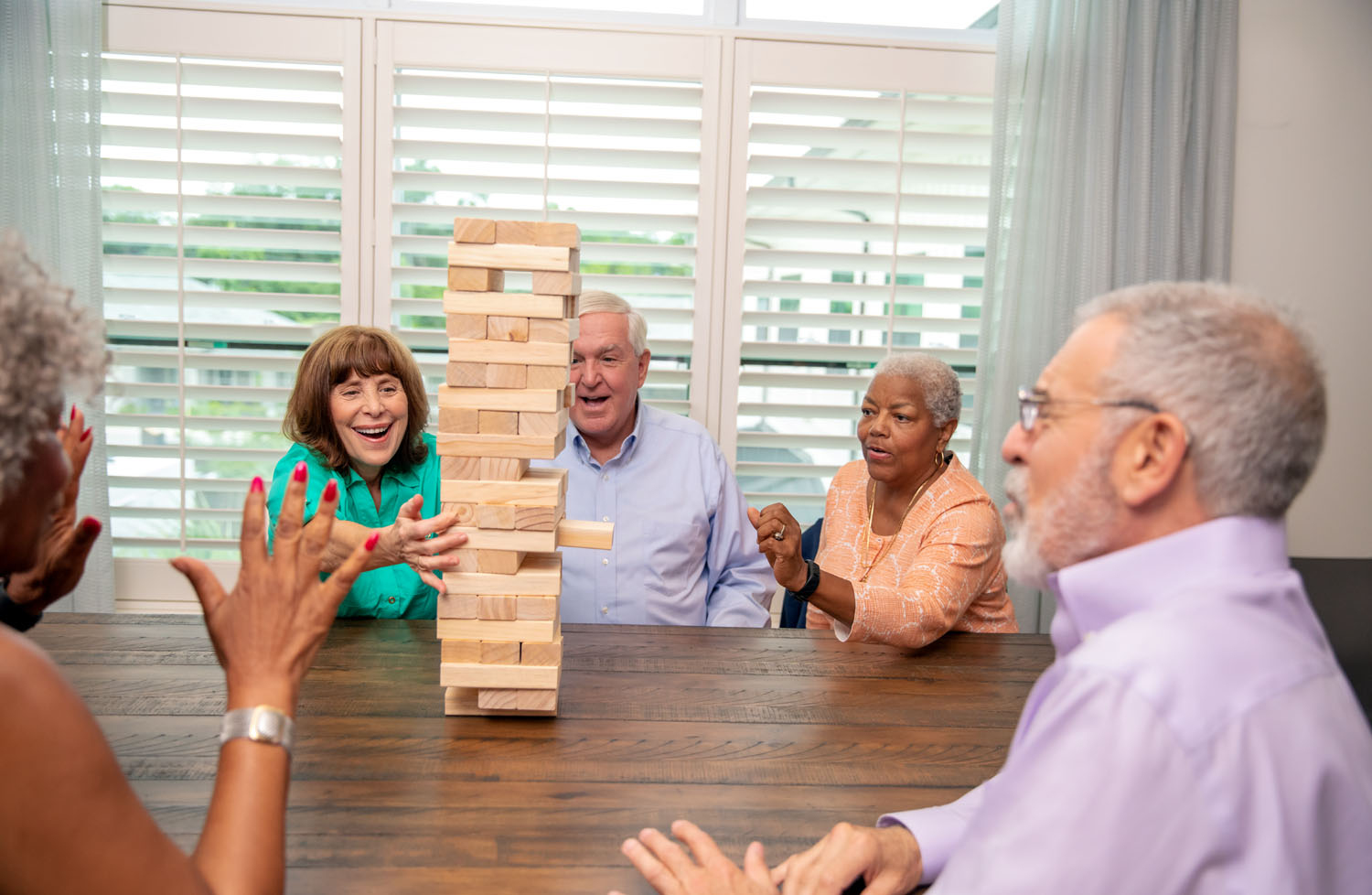
Social gaming and recreation matter here too. Bridge clubs, trivia competitions, and strategy games aren't just fun. They require the kind of executive function and working memory that keeps cognitive pathways active.

For a deeper look at the daily habits that support brain health for older adults, explore our guide to brain health habits that matter most in your 70s and 80s.

Why Are Spirit and Connection So Important for Longevity?

Here's something that doesn't always make the brochure but shows up clearly in the research: emotional and spiritual well-being are among the strongest predictors of longevity in older adults.

In a well-designed senior living community, spiritual wellness might include:

  • Reflection and meditation groups that honor diverse traditions

  • Chaplain visits or interfaith services for residents who want them

  • Volunteer opportunities that give residents a sense of contribution

  • Intergenerational programs that connect residents with younger community members

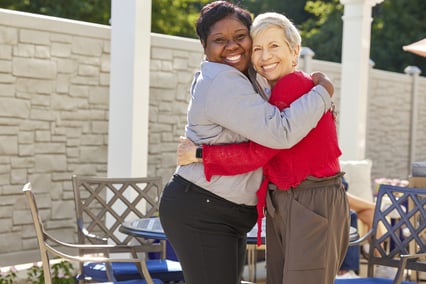
  • One-on-one check-ins with staff trained to notice emotional shifts early

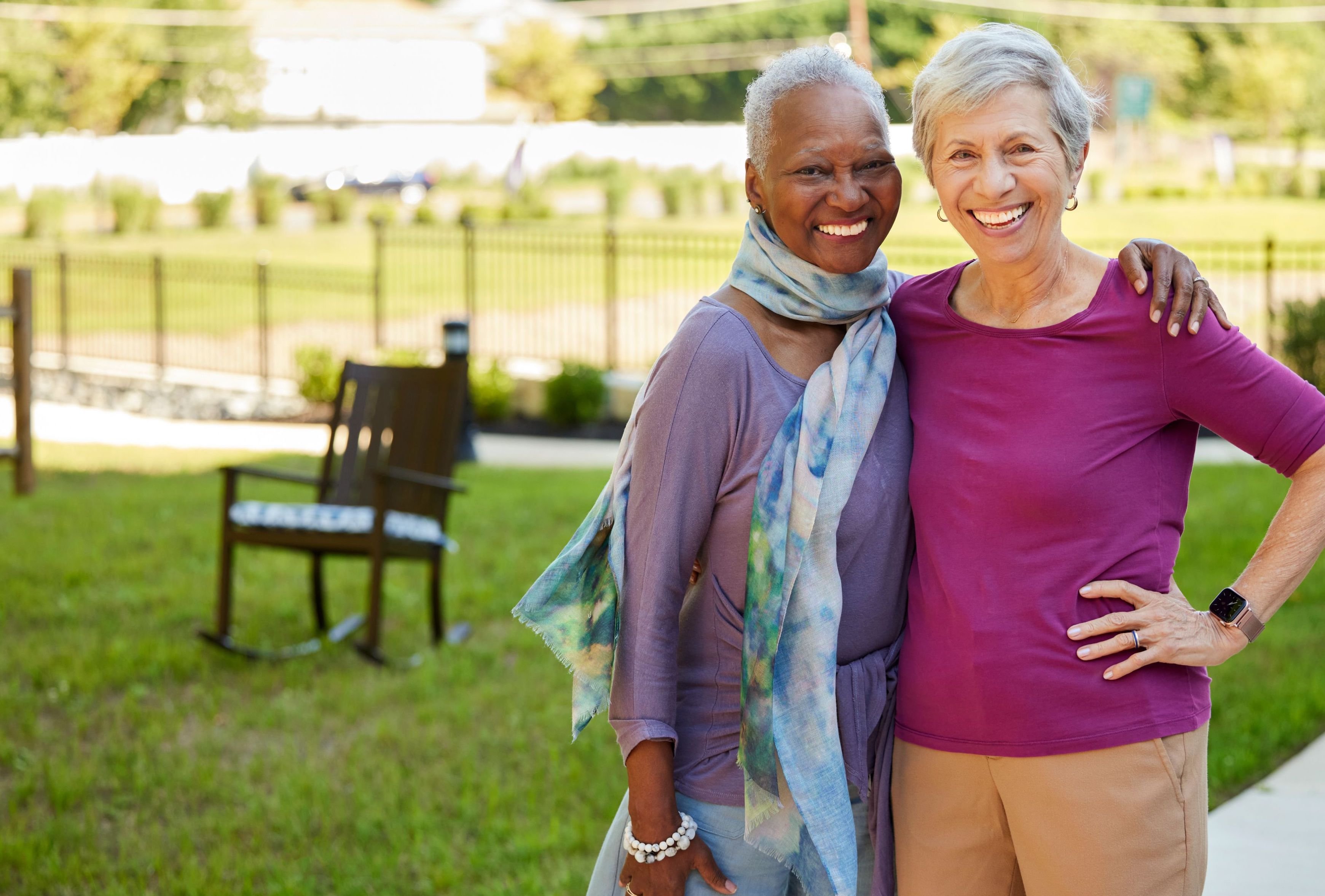
This dimension is especially worth paying attention to in the Broward County area, where many families are weighing memory care or senior living options. A beautiful campus is wonderful, but what sustains residents over time is whether they feel known, valued, and purposeful.

How Do You Evaluate Wellness When Comparing Communities?

As you visit communities near Pompano Beach, Lighthouse Point, Margate, or Coral Springs, here are specific questions that will help you separate meaningful wellness from surface-level programming:

  1. Who leads your fitness programs? Look for certified professionals, not just activity staff filling a time slot.

  2. How do you tailor wellness to each resident? The answer should describe a process, not a one-size-fits-all schedule.

  3. Can you walk me through a typical week of programming? You want to see variety across physical, cognitive, social, and spiritual categories.

  4. How do you measure whether residents are getting stronger? Strong programs track outcomes like improved balance, increased participation, and better mood.

  5. What happens when a resident stops participating? This reveals how proactive the team is about engagement, especially for residents who may be withdrawing.

The answers to these questions will tell you more about a community's commitment to well-being than any amenity list ever could.

Your Next Step

Choosing the right senior living community in South Florida is about more than safety and comfort. It's about finding a place where your parent can genuinely thrive. Wellness programming is one of the clearest signals of whether a community is designed to help residents maintain their health or simply manage their care.

If you'd like to see how we make this wellness focus a reality, schedule a visit today!Your journey to senior living starts now! Schedule a tour today.

Back To Top