What You'll Learn
Here's something that might surprise you: the person who could become your closest companion might be sitting just down the hall, waiting to share a cup of coffee and a conversation about a book you both love.
But before that coffee happens, there's usually a voice in the back of your mind that says something like, "I'm too old to make new friends." Or maybe, "Everyone there will already know each other." Or the hardest one: "Nobody will understand what I've been through."
Those feelings are completely normal. And they're worth talking about honestly, because what actually happens when older adults move to a senior living community is often very different from what they feared.
How Does Social Isolation Affect Older Adults?
Friendship doesn't usually disappear all at once. It fades. A neighbor moves away. A longtime friend passes. The phone rings less often. Driving becomes harder, so lunch dates stop. Before you know it, days go by without a meaningful conversation with someone outside your own family.
This kind of gradual isolation is more common than most people realize, especially for older adults living alone. And it often goes unnoticed by family members who call regularly and assume things are fine. Sometimes the things that stay hidden when a parent is aging alone include not just physical concerns, but deep social loneliness.
A 2020 report from the National Academies of Sciences, Engineering, and Medicine found that more than one-third of adults older than 65 feel lonely, and nearly one-fourth of adults older than 65 are considered socially isolated. Those aren't just statistics about feelings. Loneliness has been linked to increased risks of heart disease, depression, cognitive decline, and even a 26 percent higher risk of premature death.
Friendship isn't a luxury. It's a health essential.
Why Do Friendships Form So Naturally in Community Life?
One of the most common things residents say after moving to a senior living community is some version of: "I wish I had done this sooner." And when you ask them why, friendship almost always comes up.
Why does it happen so naturally? Because community living removes the biggest barriers to connection: transportation, energy, and opportunity.
When you live in a community, you don't have to drive anywhere or plan an outing to see another person. You walk to breakfast, and someone smiles and asks if the seat next to you is taken. You notice someone reading a mystery novel by your favorite author in the library nook. You end up side by side during a gardening activity and discover you both grew up in the same part of Chester County.
These aren't forced interactions. They're the kind of easy, low-pressure moments that friendships are built on. The setting does the work for you.
In communities that offer personal care near Paoli, PA, or memory care in nearby areas like Downingtown and Exton, activities are designed to bring people together around shared interests: art, music, gardening, cooking, trivia, and more. You don't have to sign up for everything. You just have to show up to one thing that sounds interesting.
What Helps New Residents Feel Welcome?
One of the biggest anxieties about moving to a new place at any age is the fear of walking through the door and not knowing a single soul. That's a valid feeling, and it deserves to be taken seriously.
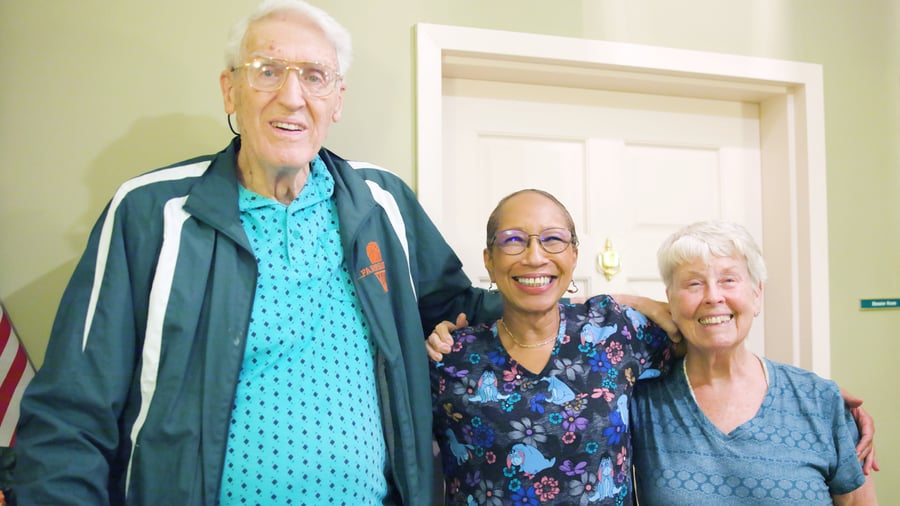
Many senior living communities understand this deeply, which is why they have welcoming committees and resident ambassador programs. These are current residents, people who remember exactly what those first days felt like, who volunteer to greet new neighbors, share a meal, introduce them around, and answer the kinds of questions you might not want to ask the staff. Things like, "Which table has the friendliest people?" or "Is the Thursday movie any good?"
Having a familiar face from day one changes everything. It turns a new, unfamiliar building into a place where someone already knows your name.
Staff members play a role too. In the best communities, team members pay attention to personalities and interests. They might mention to a new resident that another person down the hall also loves crossword puzzles, or that there's a small group that meets for tea every afternoon. These gentle introductions can spark connections that grow into genuine friendships.
What Does Friendship Look Like Later in Life?
Let's set aside the idea that making friends means filling your calendar with social events. Friendship at 80, 85, or 90 doesn't have to look the way it did at 40.
Sometimes it's a neighbor who knocks on your door to walk to dinner together. Sometimes it's someone who saves you a seat without being asked. Sometimes it's sharing a quiet afternoon on a patio, not even talking much, just enjoying the company.
These connections carry real weight. A 2023 study published in JAMA Network Open found that older adults who maintained even a small number of close social connections had significantly lower rates of cognitive decline compared to those who were socially isolated. You don't need a large circle. You need people who care.
And here's something else worth knowing: you don't have to be outgoing. Introverts form friendships in community settings just as easily, sometimes more so, because the structure of daily life creates natural, comfortable touchpoints that don't require you to put yourself out there in a big way. A wave in the hallway. A shared chuckle during an activity. A quiet conversation over afternoon coffee.
For those weighing the differences between staying at home and moving to a community, this social dimension is one of the most significant, and most overlooked, factors.
What if the Idea Still Feels Overwhelming?
It's okay to feel uncertain. Leaving a place you've lived in for years, a place full of memories and familiar comforts, is a big change. Nobody expects you to feel excited about it right away.
But consider this: the life you're living right now, is it giving you the connection you need? Are there people around who notice when you're having a hard day? Is someone there to share a laugh with over lunch?
If the answer is "not really," that's worth paying attention to. Not because anything is wrong with you, but because you deserve more than quiet rooms and long afternoons alone.
Senior living communities in the Exton area, including those serving families from West Chester, Malvern, and the broader Chester County region, are designed to make this transition feel less like a leap and more like a gentle step forward. The right community doesn't ask you to become someone new. It simply gives you the chance to be yourself around people who appreciate your company.
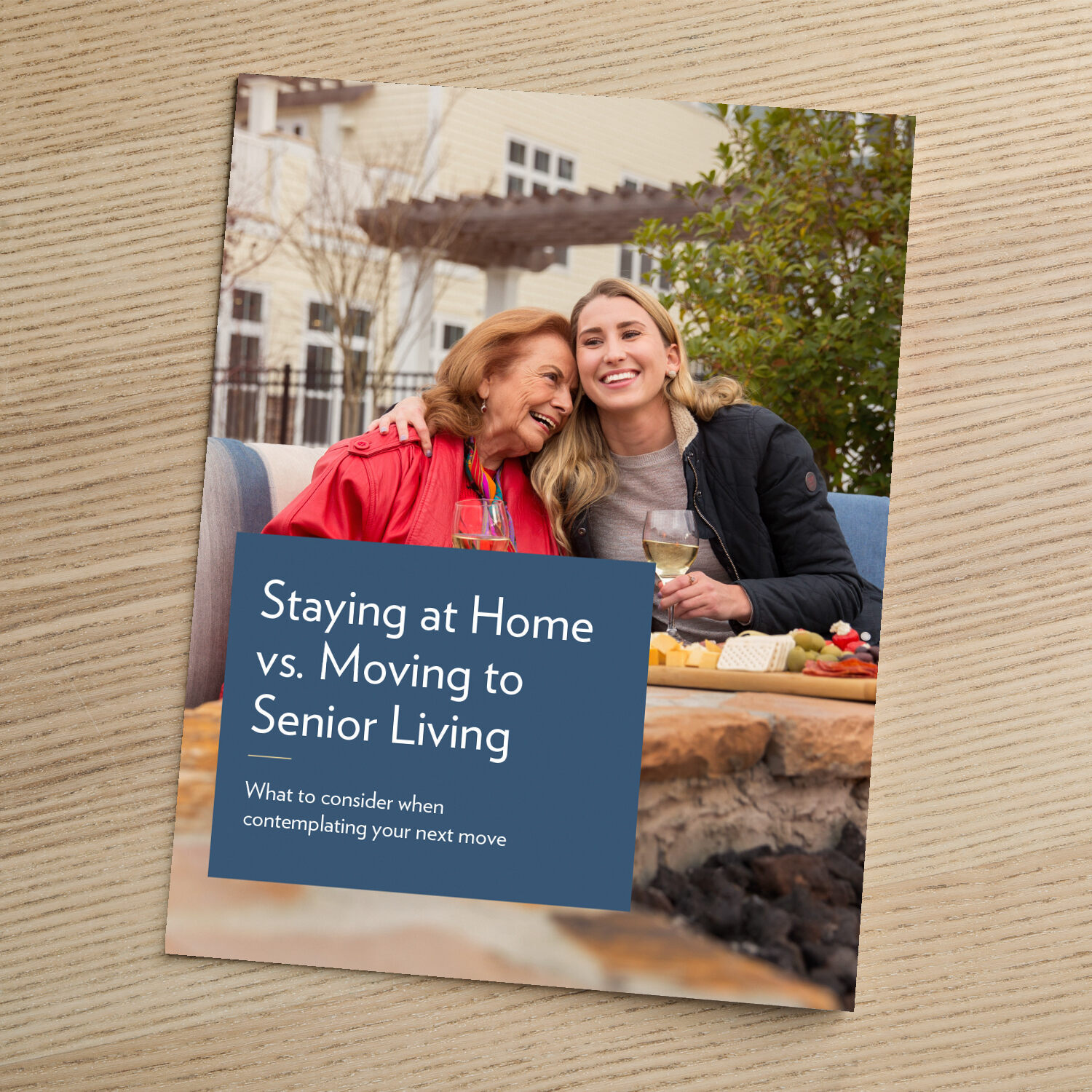
If you're still unsure about what senior living is really like, our free guide to understanding community life can help answer some of those lingering questions, with no pressure and no commitment.
A Small Step Worth Taking
The friendships waiting for you in a senior living community aren't the ones you plan for. They're the ones that happen over a shared meal, a familiar song, or a rainy afternoon spent putting together a puzzle with someone who turns out to be wonderful company.
You don't have to be ready for everything. You just have to be open to one small moment of connection. That's where it starts.
If you or a family member are exploring options for personal care near Paoli, PA, or senior living communities near West Chester, we'd love to help you learn more. Download our free comparison guide to see how community living stacks up against staying at home and discover what might be waiting for you.