What You'll Learn
You've built a life you're proud of. Maybe you've lived in the same house for 30 years, still drive yourself to the grocery store, and fix your own coffee every morning.
Over time, though, social circles naturally get a little smaller. Friends move closer to family, routines settle in, and chances to meet someone new don't come around as often as they used to.
If you've ever thought, I'm too old to make new friends, here's the good news: it's not too late. New friendships can start in the simplest ways, often when you least expect them.
What Is the Quiet Loneliness Nobody Talks About?
Here's something that catches many families off guard: a person can be managing daily life perfectly well and still feel deeply isolated. There's a difference between getting by and feeling connected, between surviving the day and actually looking forward to it.
A 2020 report from the National Academies of Sciences, Engineering, and Medicine found that more than one-third of adults aged 45 and older feel lonely, and nearly one-fourth of adults 65 and older are considered socially isolated. Those numbers have real consequences. The Centers for Disease Control and Prevention has linked prolonged social isolation to a 50 percent increased risk of dementia and a 29 percent increased risk of heart disease.
Those are sobering statistics. But here's what matters most: loneliness is not a permanent condition. It's a situation, and situations can change.
How Do Friendships Form Without Trying?
One of the most surprising things about moving into a senior living community is how naturally friendships develop. Not because anyone forces it. Not because there's some awkward icebreaker at orientation. It happens because of something beautifully simple: proximity and routine.
When you see the same faces at breakfast each morning, when you pass someone in the hallway on the way to the garden, when you sit next to someone during a music performance, connections start to form on their own. Researchers call this the "mere exposure effect." Psychologist Robert Zajonc demonstrated decades ago that we develop warmth toward people simply by being around them repeatedly.
In communities across Memphis, from East Memphis to Germantown to Cordova, older adults discover that the structure of community life does most of the heavy lifting. You don't have to be the outgoing type. You don't have to walk up to strangers and introduce yourself. The shared rhythm of the day brings people together.
Whether it's a love of blues music, gardening, or Southern cooking, common interests become the thread that ties new friendships together.
What Happens When You Walk Through the Door?
Let's be honest about the hardest part: walking through the door for the first time.
Everything is unfamiliar. The hallways, the dining area, the faces. It can feel overwhelming, and it's completely natural to want to retreat to the comfort of your own apartment and close the door.
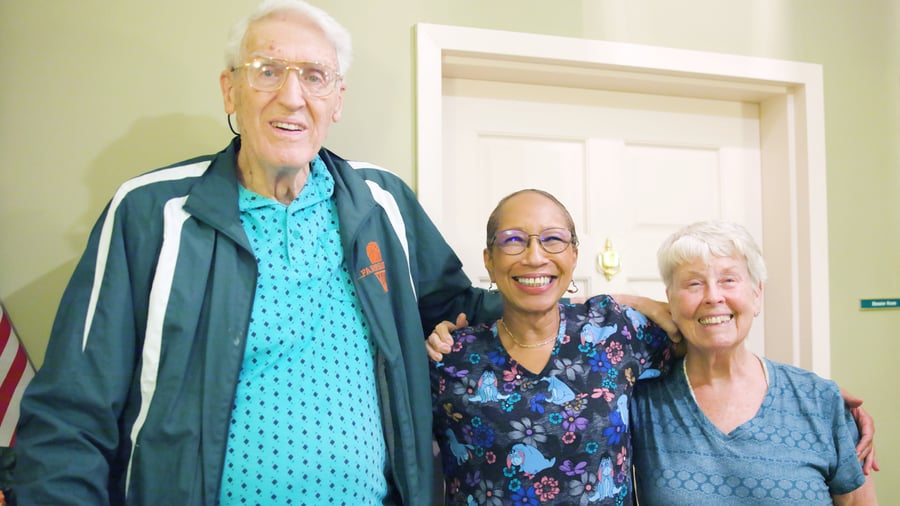
That's exactly why many senior living communities have resident ambassador programs. These are fellow residents, people who once felt the same nervousness you're feeling, who volunteer to welcome newcomers. They might save you a seat at lunch, introduce you to a few friendly faces, or simply stop by to say hello during your first week.
It's a small gesture, but it makes an enormous difference. Having one familiar, friendly person can turn a strange new place into somewhere that starts to feel comfortable. And before long, you may find yourself volunteering to welcome the next new neighbor.
Why Do These Friendships Matter So Much?
Friendship isn't just nice to have. Science tells us it's essential.
Researchers at Brigham Young University analyzed data from more than 300,000 people and found that those with stronger social relationships had a 50 percent greater likelihood of survival. That's comparable to quitting smoking. Other research from Harvard's long-running Study of Adult Development confirms that close relationships, more than money, fame, or career success, are the strongest predictor of happiness and health as we age.
The friendships formed in a senior living community carry a particular kind of richness. These are people who understand what it's like to adapt to a new chapter. People who've experienced loss and change. People who can laugh with you over coffee about the things only someone your age would understand. There's a comfort in that shared experience that's hard to find anywhere else.
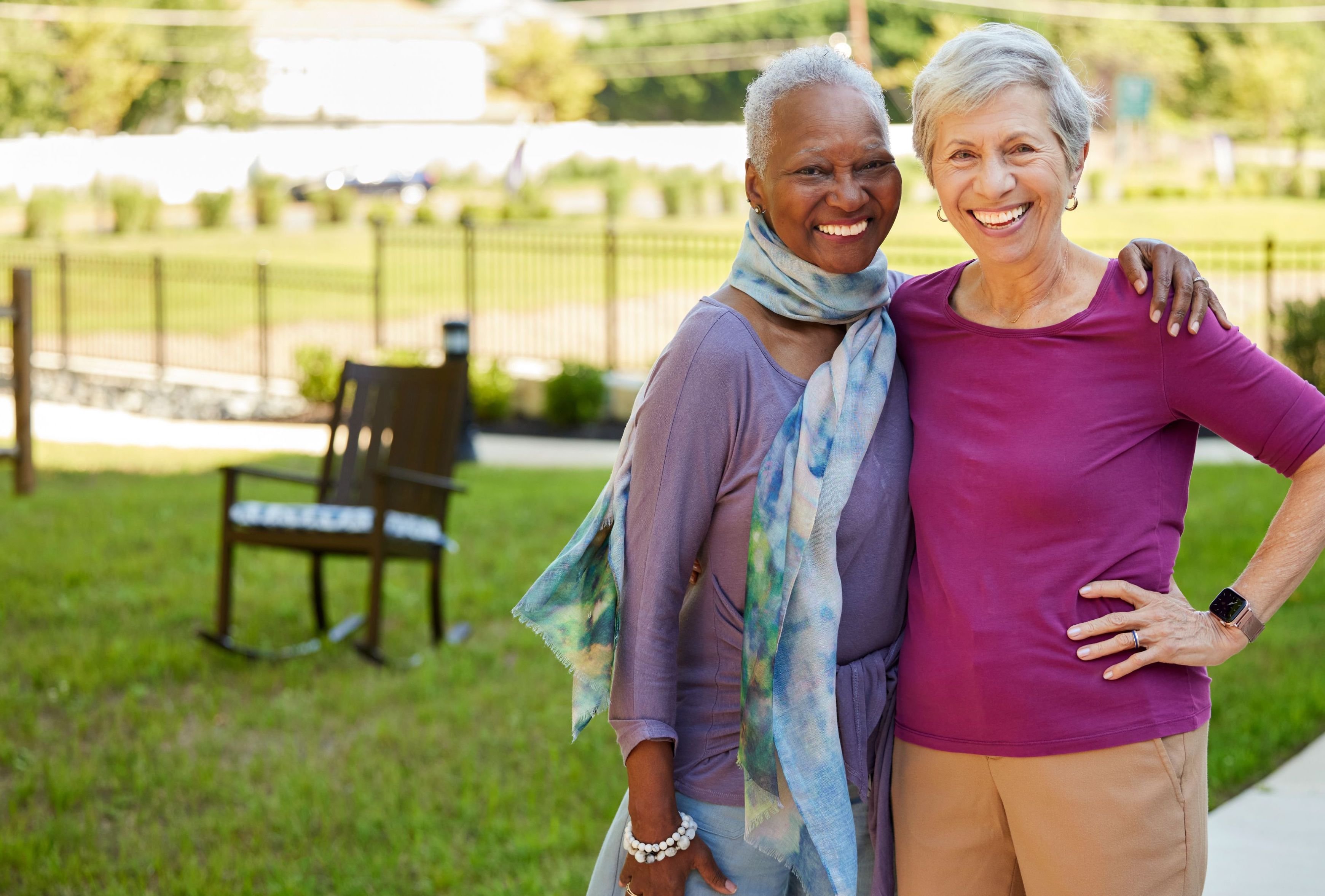
And friendship in community life doesn't have to look the way it did when you were younger. It might be a quiet nod from the person you always see at the puzzle table. It might be someone who notices when you're not at dinner and checks on you. It might be discovering that the woman down the hall grew up ten miles from where you did. These small, steady connections add up to something meaningful.
How Can You Take That First Step?
If you're reading this and thinking about a move, or if someone you love is, it's okay to feel uncertain. Change is hard, especially when it involves leaving a place full of memories.
But consider this: sometimes seeing the full picture of what daily life looks like in a community, compared to staying where you are, helps everything come into focus.
The truth is, the people who thrive most in senior living communities aren't the most outgoing or the most social. They're the ones who gave it a chance. They showed up for one meal, joined one activity, smiled back at one person, and found that the rest followed.
You don't have to be ready for everything. You just have to be open to something.
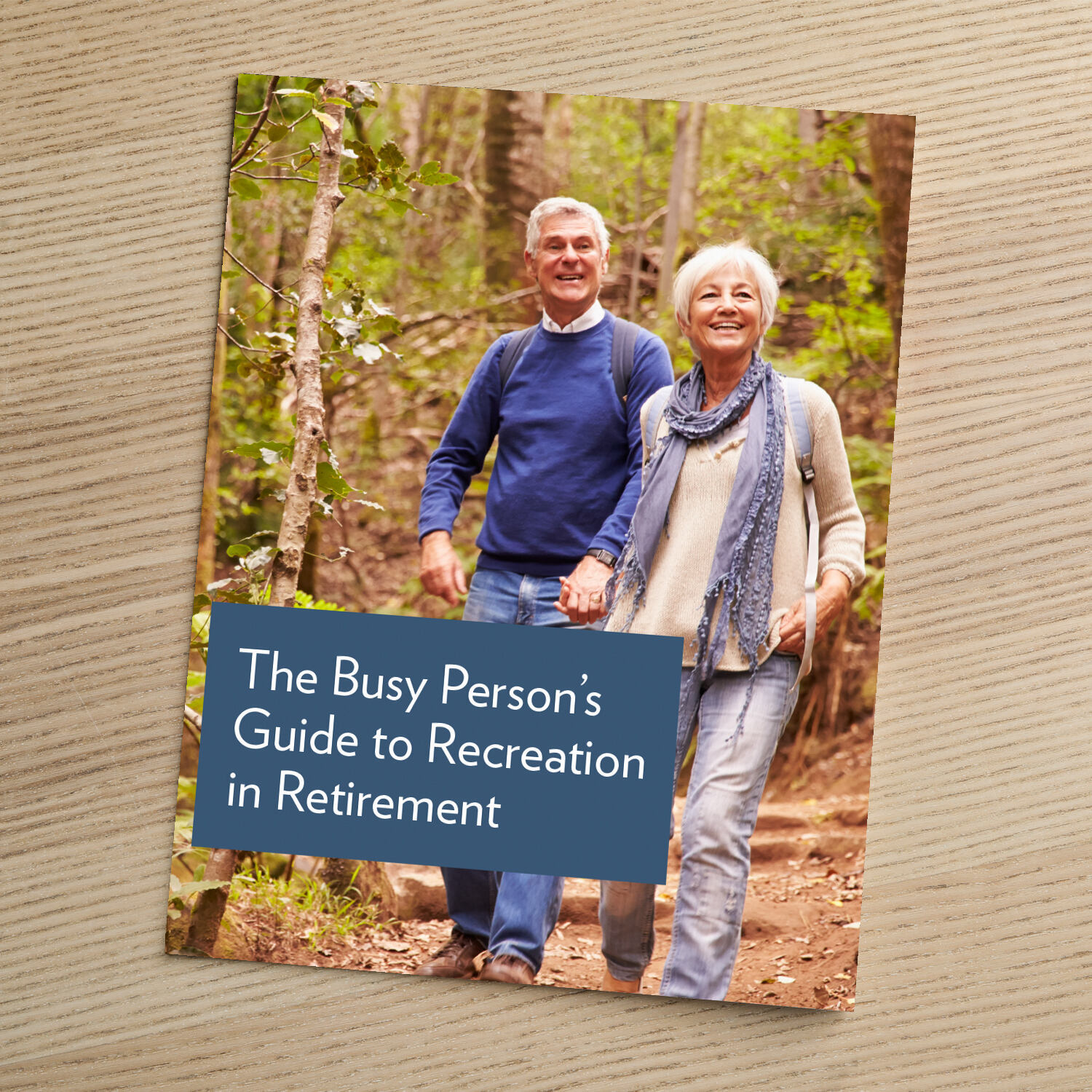
If you or someone you love is exploring senior living options in the Memphis area, whether in Collierville, Bartlett, Lakeland, or the University District, we'd love to share more about what life in community looks like. Wondering what a full, socially rich retirement actually looks like? This guide is a great place to start.
Because the best friendships of your life might still be ahead of you.