.svg)


When Dr. Thomas Crook, a clinical neuropsychologist who spent decades studying memory, was asked what single change older adults could make for their brain health, he didn't name a medication or a supplement. He pointed to lifestyle—the everyday choices people make around food, movement, rest, and relationships.
That answer might sound simple, but it's backed by a growing body of research. A landmark 2020 report from The Lancet Commission on Dementia found that modifying certain lifestyle factors could prevent or delay up to 40% of dementia cases. Whether you're 65, 75, or 85, the habits you practice each day shape your cognitive wellness more than most people realize.
Brain Health for Seniors in Memphis: Habits That Protect Cognition
For families in Memphis thinking ahead about healthy aging—for themselves or someone they love—here are the daily habits that matter most.
Fuel Your Brain With the Right Foods
Your brain accounts for only about 2% of your body weight, yet it consumes roughly 20% of your daily calories. That means what you eat has an outsized impact on how well you think, remember, and process information.
Researchers at Rush University developed the MIND diet—a hybrid of the Mediterranean and DASH diets—specifically to support brain health. Studies suggest that even moderate adherence to this eating pattern may reduce the risk of Alzheimer's disease. The core recommendations are straightforward:
-
Leafy greens like spinach, kale, and collard greens at least six times per week
-
Berries, especially blueberries and strawberries, at least twice per week
-
Whole grains, nuts, beans, and fish as regular staples
-
Olive oil as your primary cooking fat
-
Limited red meat, butter, fried foods, and pastries
Memphis has a proud food culture, and eating for your brain doesn't mean giving up flavor. Grilled fish from a local spot on Mud Island, fresh produce from the Memphis Farmers Market, or a homemade salad with pecans and berries—all of these align beautifully with brain-healthy eating.
Want to dive deeper into nutrition strategies? Our guide to Eating Healthy as You Age is a great next step.
Move Your Body to Strengthen Your Mind
Exercise does more than keep your heart and muscles strong. It directly benefits the brain. Physical activity increases blood flow to the brain, promotes the release of brain-derived neurotrophic factor (BDNF), and helps reduce inflammation. BDNF is sometimes called "Miracle-Gro for the brain" because it supports the growth and survival of neurons.
A 2022 study published in Neurology found that older adults who engaged in moderate physical activity, even just walking, had significantly less brain shrinkage over time compared to sedentary peers. The threshold wasn't extreme. Thirty minutes of moderate movement most days of the week made a measurable difference.
Memphis offers some wonderful settings for staying active. Walking the trails at Shelby Farms Park, one of the largest urban parks in the country, is a popular option for seniors in East Memphis and surrounding areas. Even a stroll along the Memphis Riverfront or through Overton Park counts.
The key? Consistency matters more than intensity. A daily walk, a water aerobics class, or gentle yoga all count.
For a comprehensive look at staying physically active, check out our handbook Stay Active, Stay Young.
Why Social Connection Is a Brain Health Strategy
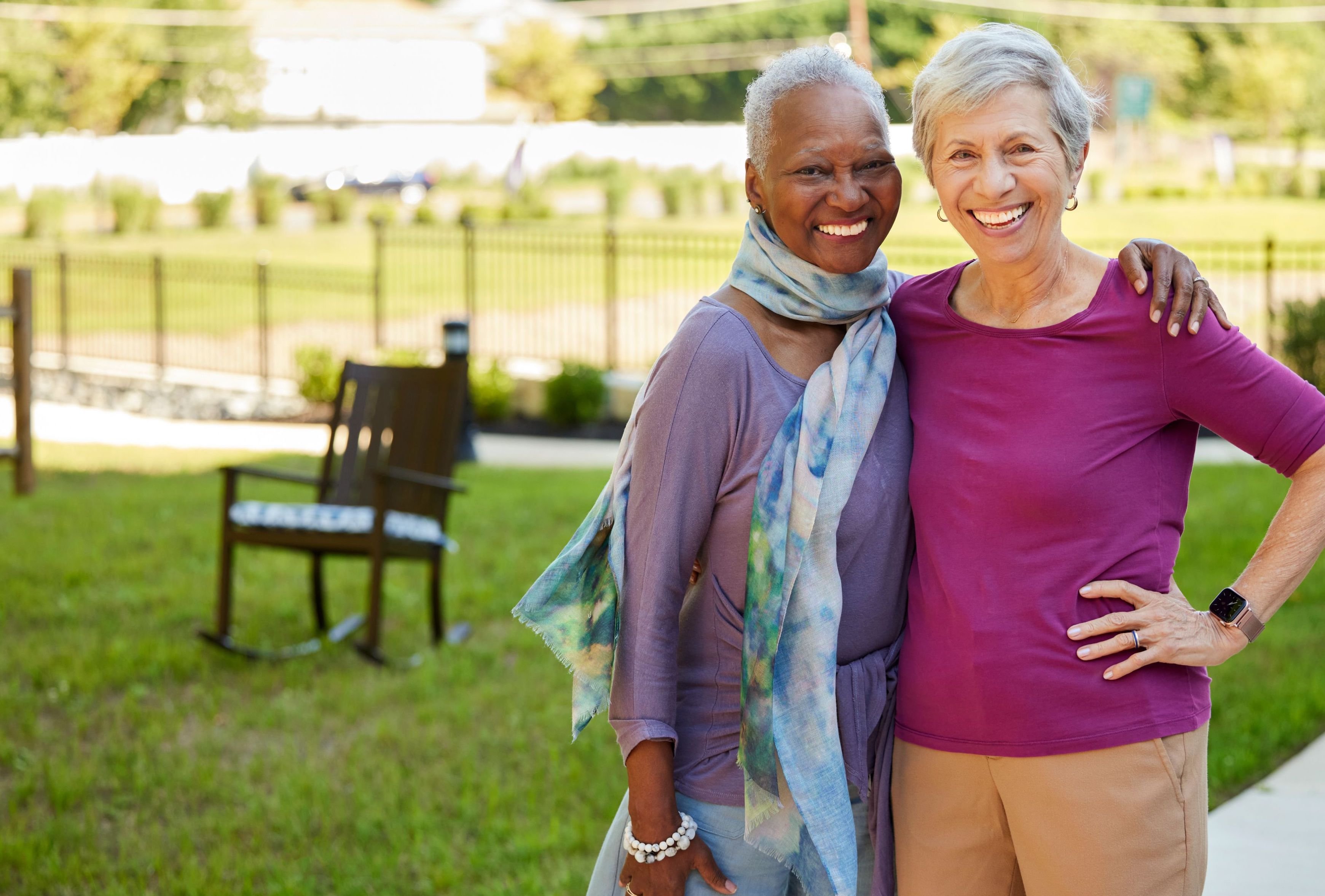
Loneliness isn't just an emotional concern. It's a cognitive one. Research from the National Academies of Sciences, Engineering, and Medicine shows that social isolation in older adults is associated with a 50% increased risk of dementia. The brain is a social organ; it needs interaction, conversation, and emotional connection to stay healthy.
Think about what happens during a good conversation. You're listening, interpreting tone, recalling memories, forming responses, and reading body language all at once. That's a full cognitive workout, and it happens naturally when you're engaged with others.
Memphis has a vibrant community fabric that makes social engagement accessible. Faith communities across the city, from Midtown to East Memphis, offer gathering spaces. The University of Memphis hosts public lectures and lifelong learning programs. Libraries, community centers near the University District, and volunteer organizations across Shelby County all provide opportunities to stay connected.
If you're a family member noticing that a parent or loved one is becoming more isolated, it's worth paying attention. Social withdrawal can be both a symptom and an accelerator of cognitive decline.
Give Your Brain Something New to Work On
Mental stimulation builds what scientists call "cognitive reserve," the brain's ability to improvise and find alternate ways of completing tasks even when some neural pathways decline. The more cognitive reserve you build throughout life, the more resilient your brain becomes.
Here's an important nuance: routine activities, even ones that feel mentally engaging, lose their stimulating effect over time. If you've been doing the same crossword puzzle format for 20 years, your brain has largely automated the process. Novelty is what drives new neural connections.
Some effective ways to challenge your brain include:
-
Learning a musical instrument or picking one back up
-
Studying a new language, even at a conversational level
-
Taking a class at a local community college or through the University of Memphis's continuing education programs
-
Playing strategy games like chess, bridge, or even certain video games designed for cognitive training
-
Reading widely—switching between genres, or exploring topics outside your comfort zone
If you're exploring resources for a loved one already experiencing cognitive changes, learn what to look for in our guide to the Top Features of a Great Memory Care Community in Memphis.
Sleep and Stress: The Maintenance Your Brain Can't Skip
Sleep and stress management rarely headline conversations about brain health, but they arguably deserve top billing. During deep sleep, the brain activates its glymphatic system—a waste-clearance process that flushes out beta-amyloid and tau proteins, both associated with Alzheimer's disease. Poor sleep literally prevents your brain from taking out the trash.
The National Sleep Foundation recommends 7–8 hours for older adults, but quality matters as much as quantity. Sleep apnea, which is common and often undiagnosed in seniors, fragments sleep and deprives the brain of the deep rest it needs. If you or a loved one snores heavily or wakes frequently, a conversation with a healthcare provider could be worthwhile.
Chronic stress is equally damaging. Elevated cortisol levels over time can shrink the hippocampus, or the brain's memory center. Effective stress management looks different for everyone, but proven approaches include:
-
Mindfulness meditation (even 10 minutes daily shows measurable brain changes)
-
Time in nature—Memphis's parks and green spaces, including Shelby Farms and the Memphis Botanic Garden, are excellent resources
-
Creative expression like painting, writing, or music
-
Structured routines that reduce daily decision fatigue
Small Habits, Compounding Benefits
None of these strategies require dramatic changes. A better breakfast. A daily walk. A phone call with a friend. A new hobby. A consistent bedtime. Individually, each one offers modest benefit. Together, practiced over weeks and months, they create a powerful foundation for cognitive wellness.
Brain health isn't a once-a-year conversation. It's a daily practice and it's never too late to start. For more practical strategies, download our Visual Guide for Keeping an Older Mind Sharp.