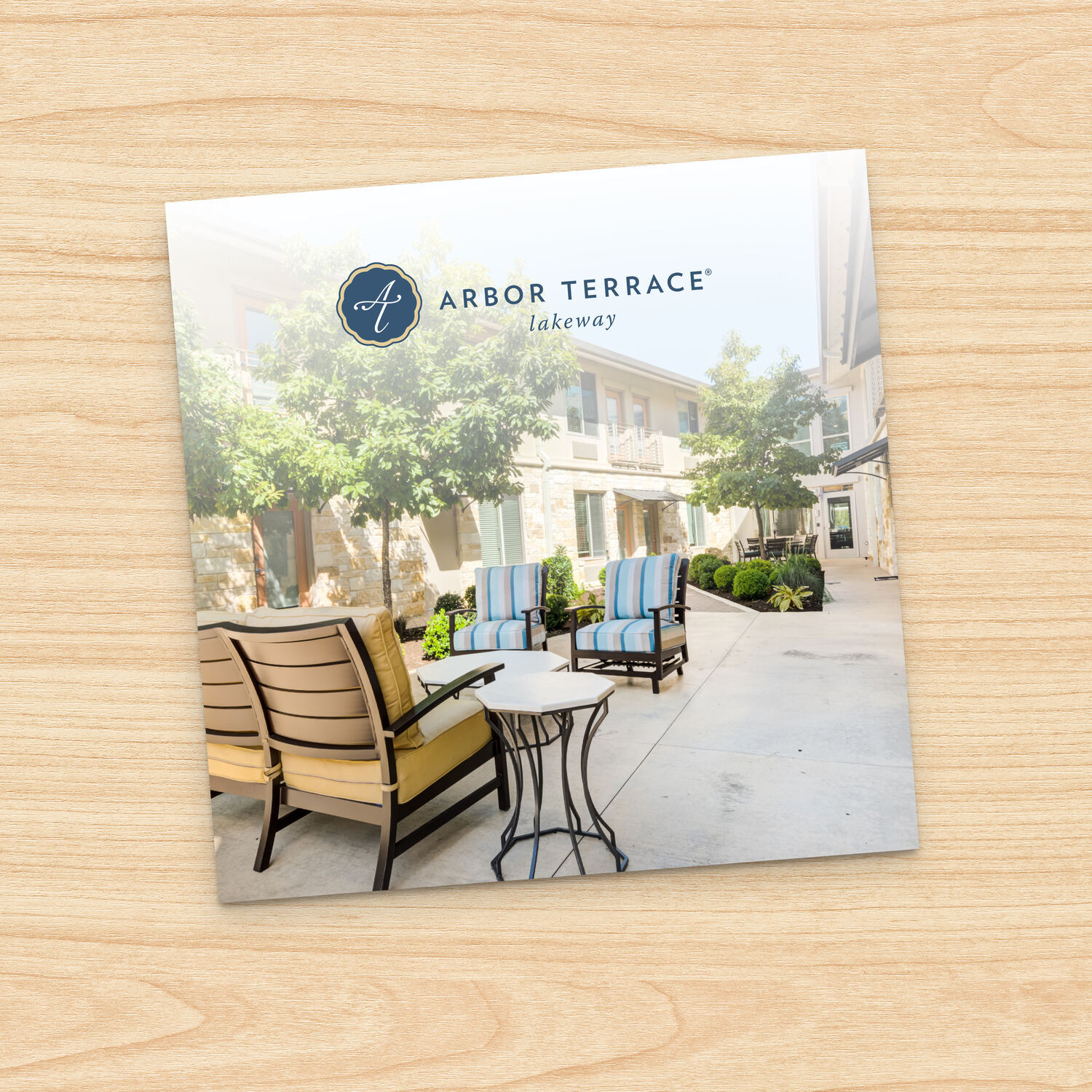


If your loved one is living with Alzheimer's disease or another form of dementia, you've likely noticed changes that make you question whether they can continue living safely at home. Memory loss, judgment issues, confusion, and behaviors like wandering can make independent living nearly impossible as the condition progresses. The decision to seek memory care is never easy as it comes with complex emotions ranging from relief that your loved one will receive specialized care to guilt about moving them from their familiar environment.
Here's what you need to know: choosing the right memory care community in Lakeway is one of the most important decisions you'll make for your family. With more than 380,000 Texas residents living with Alzheimer's disease or dementia, specialized memory care communities have evolved significantly to meet the unique needs of those living with cognitive decline.
What Is Memory Care?
Award-winning memory care communities are thoughtfully designed to support older adults living with Alzheimer’s disease, dementia, or other forms of cognitive decline. These settings offer around-the-clock care in a secure environment, with team members who receive specialized training in dementia care approaches. Their goal is to honor each resident’s dignity, provide meaningful daily experiences, and ensure safety and comfort.
To help residents feel at ease, memory care programs often follow gentle, structured daily routines. Predictable schedules can provide a sense of security and help reduce stress. Activities are planned intentionally—more energetic programs are often offered earlier in the day, while calming, soothing activities are introduced later, when individuals may be more prone to restlessness or anxiety. This thoughtful rhythm helps create a supportive, reassuring environment for both residents and their families.
What You'll Learn in This Guide
-
Five key factors to evaluate when choosing memory care in Lakeway
-
What makes specialized memory care different from assisted living
-
How Arbor Terrace Lakeway's Evergreen neighborhood supports residents with dementia
-
Questions to ask during your community tours
-
Local Lakeway resources and what memory care costs in the Austin area
Step 1: Evaluate Staff Training and Expertise
The quality of care your loved one receives depends entirely on the training and expertise of the staff. Not all memory care communities require the same level of specialized education for their team members.
Questions to Ask About Staff Training
What training is required for staff beyond regulatory requirements?
Look for communities where staff participate in evidence-based dementia care training programs. GEMS™ techniques, strategies, and overall approach to care were created and developed by Teepa Snow, Positive Approach, LLC. These methods teach staff to understand the different stages of dementia and how to interact compassionately with residents at each stage.
Which staff members receive dementia-specific training?
Ideally, everyone who works with or around memory care residents should be trained (nurses, caregivers, servers, housekeepers, and maintenance staff). Your loved one will interact with all of these team members, and each interaction matters.
Does the community commit to ongoing education?
Top memory care communities send staff to Alzheimer's Association conferences and continuing education programs. This keeps team members on the cutting edge of dementia care interventions and best practices.
What educational opportunities exist for families?
Communities like Arbor Terrace Lakeway offer family education programs that help you understand your loved one's changing needs and learn strategies for meaningful visits. Some communities even provide empathy courses that simulate what it's like to experience dementia.
At Arbor Terrace Lakeway's Evergreen memory care neighborhood, staff members use formal and informal assessment to ensure they're meeting residents' needs—whether those needs existed yesterday or emerged today. Flexibility is crucial in dementia care, and trained staff make all the difference.
Step 2: Assess Safety and Security Features
Your loved one’s safety is always the top priority. Dementia can sometimes affect judgment or increase the likelihood of becoming disoriented or unsteady. A supportive environment with thoughtful safety measures can help reduce these risks and provide families with greater peace of mind.
Key Safety Features to Look For
-
Secure entrances and exits with discreet monitoring systems that prevent residents from leaving unsupervised while maintaining dignity
-
Clear wayfinding with visual cues that help residents navigate without feeling institutionalized
-
Safe outdoor spaces where residents can enjoy fresh air without risk
-
Emergency response systems in apartments and common areas
-
24-hour staffing with at least one awake staff member at all times
-
Well-lit spaces to reduce confusion and prevent falls
The Evergreen neighborhood at Arbor Terrace Lakeway was thoughtfully designed specifically for seniors living with Alzheimer's disease or other types of dementia. The environment itself reduces stress and confusion, allowing residents to focus their energy on what matters – connecting with others and enjoying daily life.
Step 3: Examine Engagement and Activity Programming
Specialized memory care goes beyond keeping residents safe – it focuses on helping them function at the highest possible level for the longest possible time. By increasing socialization, reducing stress, and providing failure-free activities, memory care communities help maintain cognitive abilities and emotional wellbeing.
What Quality Programming Looks Like
Person-centered activities that honor each resident's history, interests, and abilities. Not everyone with dementia has the same preferences. Quality communities customize activities based on what each resident enjoyed throughout their life.
Cognitive stimulation through music therapy, art programs, sensory activities, and memory boxes filled with meaningful objects. These programs work different parts of the brain in a failure-free setting.
Physical activity adapted to each resident's mobility level, from chair exercises to walking groups to gentle yoga.
Social connection with cognitive peers who understand if it takes a moment to find the right word or if someone can't remember what comes next. This environment promotes connection without the anxiety of trying to "keep up" with cognitively healthy peers.
Structured daily routines that provide comfort through predictability while still offering choices throughout the day to maintain autonomy and self-esteem.
At Arbor Terrace Lakeway, residents in the Evergreen neighborhood participate in purposeful activities and chef-led dining designed to foster positive connections and enhance wellness—from live concerts on the patio to cooking demonstrations in the kitchen. There's always something engaging to do.
Step 4: Understand Specialized Dining Programs
Dementia can bring unique challenges when it comes to eating and nutrition. Individuals may sometimes forget to eat, feel unsettled by busy dining spaces, or find it harder to use utensils. Changes in chewing or swallowing abilities can also make mealtimes more difficult. With the right support, communities can create calm, dignified dining experiences that help residents enjoy meals and maintain their health.
The Dining with Dignity® Difference
The Arbor Company's award-winning Dining with Dignity® program addresses these challenges with compassion and innovation. The program uses ground ingredients in meals for easier chewing and swallowing, and food is prepared in appetizing bite-size portions that eliminate the need for forks or spoons for those who can't manage them easily.
At Arbor Terrace Lakeway, chefs and caregivers work together in the Evergreen neighborhood to note nutrition challenges and find creative solutions. Meals are served in a social but less stimulating dining environment, leading to more meaningful conversations and connections. Every meal becomes a chance for connection, not a source of stress or confusion.
High-quality memory care communities offer appetizing alternatives for specialized diets and serve food in ways that encourage both independence and appetite. They commit to resident choice when it comes to menu options while working within any doctor-recommended meal plans.
Step 5: Consider Location and Community Connections
Choosing memory care close to home matters. Lakeway's location in the Austin metro area provides access to excellent healthcare, including Baylor Scott & White Medical Center and Dell Seton Medical Center. Regular family visits become easier when the community is nearby, and familiar surroundings can provide comfort during the transition.
The Lakeway Advantage
Lakeway offers a peaceful, safe suburban environment with access to Austin's cultural attractions and medical resources. The area's warm climate (though summer can be hot) and mild winters make outdoor activities accessible year-round. Texas's lack of state income tax—including on Social Security benefits and retirement accounts—can help families manage memory care costs more comfortably.
According to Genworth's Cost of Care Survey, the average monthly cost of senior living in the Austin area is approximately $5,345, though memory care typically costs more due to specialized staffing and programming. Arbor Terrace Lakeway offers transparent pricing discussions to help families plan financially.
The community sits conveniently near shopping, dining, and entertainment options, making it easy for families to take loved ones on outings or simply visit without feeling isolated. The Lakeway Marina, Austin Salt Cave, and numerous parks provide opportunities for meaningful experiences together.
What Makes Arbor Terrace Lakeway Different
With more than 30 years of trusted experience operating senior living communities nationwide, The Arbor Company brings proven expertise to memory care. Arbor Terrace Lakeway combines this organizational strength with local warmth and personalized attention.
The Evergreen Memory Care Neighborhood
The Evergreen neighborhood provides a safe, comfortable environment with 24-hour care and supervision specifically for residents living with Alzheimer's disease or other forms of dementia. Highly trained staff deliver personalized memory care that prioritizes each resident's safety, comfort, and sense of connection.
Residents benefit from:
-
Customized care plans based on individual histories, preferences, and abilities
-
Structured routines that provide security while offering meaningful choices
-
Specially trained staff who understand the progression of dementia and adapt their approach accordingly
-
Award-winning dining through the Dining with Dignity® program
-
Engaging activities designed to stimulate cognition without causing stress
-
Beautiful, secure spaces that feel homelike, not institutional
-
Family support including education programs and open communication
For Early-Stage Memory Loss: The Bridges Program
If your loved one is in the early stages of cognitive decline (not quite ready for full memory care but needing more support than assisted living provides) Arbor Terrace Lakeway also offers the Bridges program. This specialized neighborhood fills the gap between assisted living and memory care, providing:
-
Cognitive peer environment where everyone understands if you need extra time to find words
-
Gentle reminders and cues that enhance independence without adding fear of failure
-
Person-centered customization honoring individual preferences and routines
-
Structured days with plenty of choices balancing predictability and autonomy
This unique solution allows adults living in the early stages of Alzheimer's disease or other dementias to maintain independence and self-esteem while receiving appropriate support.
Key Takeaways
-
Memory care provides specialized 24-hour support in secure environments with staff trained in dementia care techniques
-
Staff training quality varies significantly—look for communities with evidence-based programs and ongoing education
-
Safety features should be comprehensive yet maintain residents' dignity and freedom within secure spaces
-
Person-centered activity programming helps residents function at their highest level while reducing stress
-
Specialized dining programs like Dining with Dignity® address the complex eating challenges that dementia creates
-
Lakeway's location offers access to excellent Austin-area healthcare while maintaining a peaceful suburban environment
-
Average senior living costs in Austin are approximately $5,345 monthly, though memory care typically costs more
-
Arbor Terrace Lakeway's 30+ years of Arbor Company experience ensures proven, compassionate care
-
The Bridges program serves those in early-stage dementia who aren't ready for full memory care
Frequently Asked Questions
How do I know when it's time for memory care versus assisted living?
Memory care becomes necessary when your loved one requires 24-hour supervision, exhibits wandering behaviors, becomes confused about their surroundings, needs help with most daily activities, or when their safety is at risk at home or in assisted living. If cognitive challenges dominate daily life and you're constantly worried about safety, it's time to explore memory care. The staff at Arbor Terrace Lakeway can help you assess your loved one's current needs during a consultation.
Can my loved one transition from assisted living to memory care at the same community?
Yes. Arbor Terrace Lakeway offers both assisted living and memory care (Evergreen neighborhood) on the same campus, plus the Bridges program for early-stage memory loss. This means your loved one can age in place, transitioning to higher levels of care as their needs change without leaving familiar surroundings or losing connections with staff who know them well.
Will my loved one's personality change in memory care?
Many families are surprised to discover their loved one seems happier and more relaxed in memory care. The specialized environment reduces the stress and confusion that often cause behavioral changes. When surrounded by trained staff and cognitive peers, residents no longer feel pressured to "keep up" or hide their challenges. This often results in reduced anxiety and more positive interactions.
How often can family members visit?
Arbor Terrace Lakeway welcomes family visits and encourages regular connection. There are no strict visiting hour limitations in memory care, though staff may suggest optimal visiting times based on your loved one's daily routine. Family members can join for meals, participate in activities, or simply spend quiet time together. The community also provides family education to help you make visits more meaningful as dementia progresses.
Does Medicare or Medicaid cover memory care?
Medicare does not generally pay for memory care services, although certain related medical needs may be eligible for coverage. Medicaid may offer support for memory care for qualified individuals based on Texas-specific programs. It's important to discuss financial options with Arbor Terrace Lakeway's team, who can help you navigate potential coverage through Medicaid, veteran benefits, or other assistance programs.
Take the Next Step with Confidence
Choosing memory care for your loved one is one of the most difficult decisions you'll face. But you don't have to make it alone. Arbor Terrace Lakeway's experienced team understands the complex emotions families experience - the relief, the guilt, the hope, and the worry.
We invite you to tour the Evergreen memory care neighborhood and see firsthand how specialized programming, compassionate staff, and a thoughtfully designed environment can help your loved one thrive despite cognitive challenges. Bring your questions, your concerns, and your hopes for your family member's future.
Memory care isn't about giving up, it's about giving your loved one the specialized support they need to live with dignity, purpose, and connection.
Ready to learn more about memory care at Arbor Terrace Lakeway? Download our free Caregiver's Complete Guide to Alzheimer's and Dementia Care for detailed information about stages of dementia, care options, and what to expect. Then schedule a personalized tour to see how we can support your family through this journey.