
Heart disease remains the leading cause of death for adults over 65 in the United States. But here's the encouraging news: many of the factors that contribute to cardiovascular problems are within our control — at any age. Whether you're thinking ahead about your own health or keeping an eye on a parent's well-being, understanding what supports heart health in the later years can make a meaningful difference.
This guide breaks down the key pillars of cardiovascular wellness for older adults and offers practical tips your family can start using today.
Why Heart Health Deserves Extra Attention After 65
As we age, the heart and blood vessels naturally change. Arteries can stiffen, the heart may pump a little less efficiently, and conditions like high blood pressure or high cholesterol become more common. According to the American Heart Association, more than 80% of adults over 65 have some form of cardiovascular disease.
But age alone doesn't determine outcomes. Lifestyle choices — what we eat, how much we move, how connected we feel to others, and how well we manage medications — play an enormous role. Families in the Gambrills, MD area and throughout Anne Arundel County have access to excellent cardiology resources, including the University of Maryland Baltimore Washington Medical Center in Glen Burnie and the MedStar Heart & Vascular Institute, which offer specialized programs for older adults.
The bottom line: it's never too late to take steps that protect the heart.
The Four Pillars of Cardiovascular Wellness for Seniors
Research consistently points to four interconnected areas that support heart health in older adults. Think of them as pillars — each one strengthens the others.
1. Heart-Smart Nutrition
What we eat has a direct impact on blood pressure, cholesterol, inflammation, and weight — all key factors in heart disease. For seniors, a heart-healthy diet doesn't have to be restrictive. It's about building meals around:
-
Fruits and vegetables — aim for a colorful variety
-
Whole grains like oats, brown rice, and whole wheat bread
-
Lean proteins including fish (especially salmon and mackerel, rich in omega-3s), poultry, and legumes
-
Healthy fats from olive oil, nuts, and avocados
-
Limited sodium — the American Heart Association recommends no more than 1,500 mg per day for most seniors
The Mediterranean and DASH diets are both well-studied and particularly effective for cardiovascular health.
2. Consistent, Appropriate Exercise
Physical activity strengthens the heart muscle, improves circulation, helps manage weight, and reduces stress. The CDC recommends that adults 65 and older get at least 150 minutes of moderate-intensity activity per week — that's about 30 minutes a day, five days a week.
Great heart-healthy exercises for seniors include:
-
Walking — even 10-minute walks count
-
Swimming or water aerobics — gentle on joints, great for the heart
-
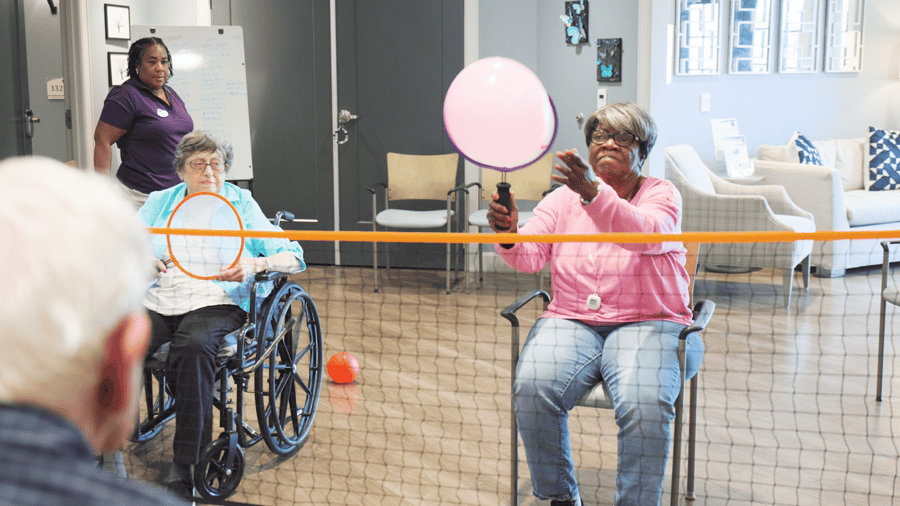
Chair yoga or tai chi — improves balance and lowers blood pressure
-
Light strength training — helps maintain muscle mass and metabolism
The key is consistency, not intensity. A structured fitness routine — whether at a local gym, a community center in the Gambrills or Crofton area, or through a local program — helps older adults stay accountable and engaged.
3. Social Connection and Emotional Well-Being
This pillar often surprises people, but the research is clear: loneliness and social isolation are significant risk factors for heart disease. A 2023 report from the U.S. Surgeon General found that prolonged isolation can increase the risk of heart disease by 29% — comparable to smoking 15 cigarettes a day.
For older adults, especially those living alone, maintaining social ties can be challenging. Regular interaction with friends, family, neighbors, or community groups helps lower stress hormones, reduce blood pressure, and promote a sense of purpose.
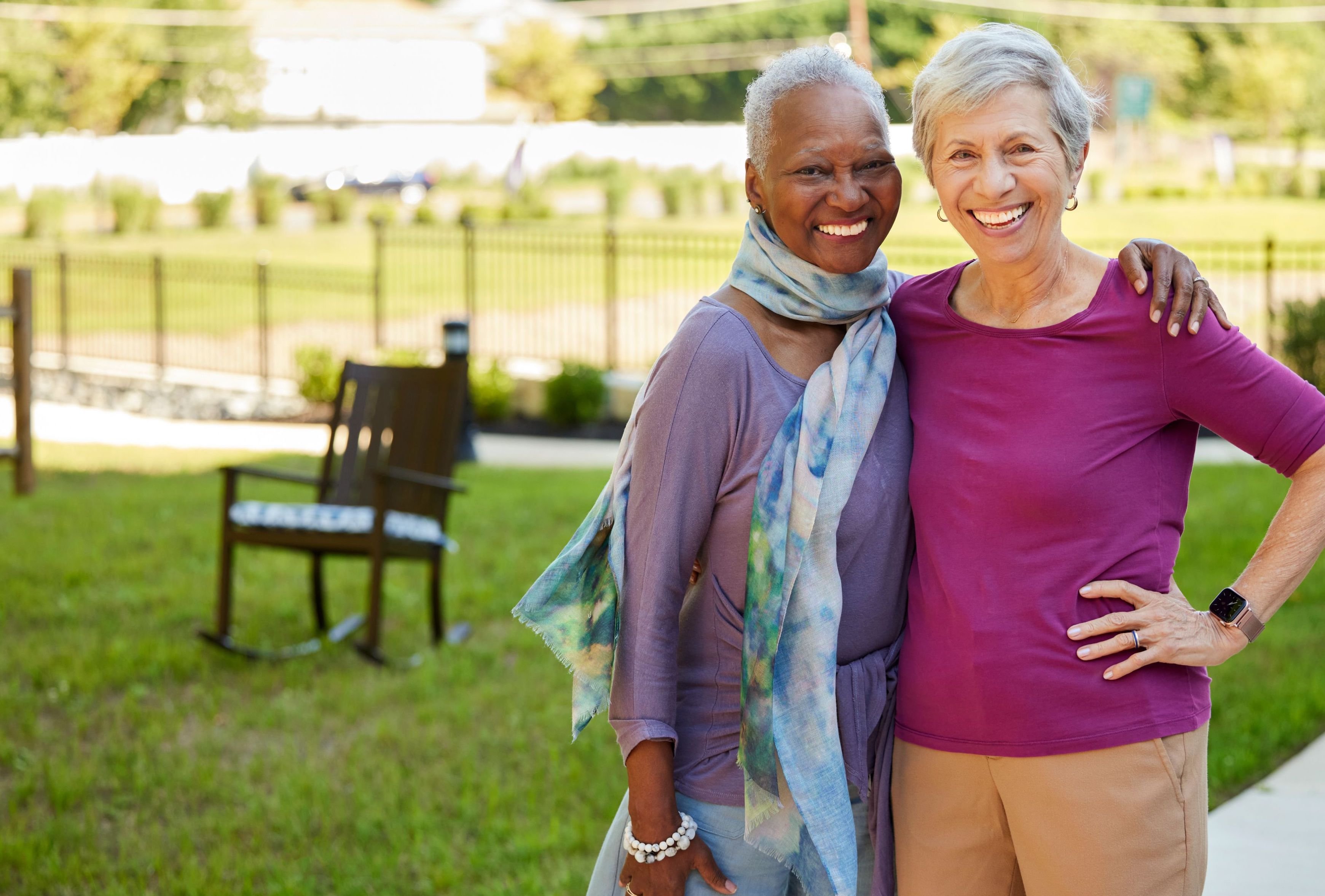
Community engagement and social connection play a powerful role in supporting overall wellness for aging adults. Whether through hobby groups, volunteer opportunities, faith communities, or senior centers, staying socially active protects both heart and mind.
4. Medication Management and Care Coordination
Many seniors take multiple medications for blood pressure, cholesterol, blood thinners, or diabetes — all of which directly affect heart health. Proper medication management means:
-
Taking the right doses at the right times
-
Avoiding harmful drug interactions
-
Keeping up with regular check-ups and lab work
-
Communicating changes in symptoms to a healthcare provider
This can be difficult to manage independently, especially when juggling several prescriptions. Families should check in regularly about how a loved one is handling their medications. Pill organizers, pharmacy auto-refills, and digital reminders can help.
When all four pillars work together — nutrition, fitness, social connection, and medical management — the effect is greater than any single change alone. That whole-person approach to wellness makes a difference that compounds over time.
5 Practical Tips Families Can Start Using Today
You don't need to overhaul everything at once. Here are five manageable steps that support a loved one's heart health right now:
-
Cook a heart-healthy meal together. Try a simple salmon and vegetable sheet-pan dinner. Sharing the experience makes healthy eating feel less like a chore and more like quality time.
-
Start a daily walking routine. Even a 15-minute walk around the neighborhood in Gambrills or along a local trail in Quiet Waters Park in Annapolis can improve cardiovascular fitness. Offer to walk together — it's good for both of you.
-
Schedule a heart health check-up. If it's been more than a year since your parent's last cardiovascular screening, help them book an appointment. Anne Arundel County has several excellent cardiology practices that specialize in senior care.
-
Do a medication review. Sit down with your loved one and go through every medication they're taking. Make sure they understand what each one is for and flag any concerns for their doctor. Ask the pharmacist about potential interactions.
-
Help them stay socially connected. Whether it's a weekly phone call, a visit to a local senior center, a church group, or a hobby class, regular social interaction is a genuine form of heart protection. If you've noticed your parent becoming more withdrawn, that's worth paying attention to.
Local Heart Health Resources in the Gambrills Area
Families in and around Gambrills, Crofton, Odenton, and greater Anne Arundel County have access to strong cardiac care resources:
-
University of Maryland Baltimore Washington Medical Center (Glen Burnie) — offers cardiac rehabilitation and heart failure management programs
-
Anne Arundel Medical Center / Luminis Health (Annapolis) — provides comprehensive heart and vascular services, including screenings and education
-
American Heart Association – Maryland Chapter — hosts local events like heart walks and offers free educational materials for seniors and caregivers
Asking your loved one's primary care doctor for a referral to a cardiologist who specializes in geriatric care is a great first step.
Small Changes, Big Impact
Heart health after 65 isn't about perfection. It's about consistent, thoughtful choices — eating a little better, moving a little more, staying connected, and keeping up with medical care. Every small step adds up.
If you're thinking ahead about how to support a parent or loved one as they age, you're already doing something important. Keep learning, keep asking questions, and know that the choices you help make today can protect their heart for years to come.
Aging brings both challenges and opportunities for better health, and knowing what to expect can make all the difference. Our Questions You're Afraid to Ask About Aging & Senior Health guide offers valuable information to help you understand the changes that come with age and how to embrace a healthy senior lifestyle. Download the guide now to learn about the health changes ahead, adopt habits for healthy aging, and plan for a future of well-being and vitality.