
When families explore assisted living in Gambrills, MD, they naturally focus on medical care, safety features, and apartment amenities. These practical considerations matter tremendously. But there's another factor that often determines whether a resident truly thrives or merely exists—socialization.
Research shows that social connection isn't just a nice-to-have aspect of senior living. It's a fundamental need that directly impacts physical health, cognitive function, emotional well-being, and overall quality of life. For families in Anne Arundel County considering assisted living options for someone they love, understanding how a community prioritizes social engagement makes all the difference in finding a place where residents flourish rather than decline.
In this post, you'll discover:
-
Why socialization matters so profoundly for senior health and happiness
-
The documented risks of social isolation for aging adults
-
How community engagement counters loneliness, depression, and cognitive decline
-
Specific ways Arbor Terrace Waugh Chapel promotes meaningful connections
-
What makes relationship-centered care different from task-oriented approaches
Why Social Connection Matters More Than Ever
Research increasingly identifies loneliness as a serious public health crisis, particularly for older adults. Studies show that seniors who experience feelings of loneliness, isolation, and depression are significantly more likely to suffer from serious age-related health problems. One Dutch study found that dementia-free seniors dealing with loneliness are more than 2.5 times more likely to develop dementia after three years than seniors with strong social support systems.
The dangers of isolation extend beyond mental health. Loneliness has been linked to increased cognitive decline, depression, and even premature death. Some research suggests that loneliness could be more deadly than obesity.
For seniors living alone at home, isolation becomes particularly problematic. Nearly half of adults living alone report feeling lonely on a regular basis. Those who can't drive at night, feel anxious about going out alone, or face mobility challenges may spend days—even weeks—without meaningful human contact or intellectual stimulation.
Assisted living communities fundamentally change this equation. With neighbors just steps down the hall, staff members available around the clock, and daily opportunities for engagement, residents have immediate access to the social connections that protect against isolation's harmful effects.
The Science Behind Social Engagement Benefits
Healthy socialization does more than simply combat loneliness. It actively supports brain health in ways researchers continue to discover. According to AARP reports, there's a direct link between healthy socialization and positive mental health. Socialization with peers can help keep dementia at bay or even reduce symptoms in those already experiencing cognitive decline.
When seniors engage in conversations, participate in group activities, and build friendships, their brains work in beneficial ways. Small-group activities foster and nurture healthy socialization. While you may think your parent is simply enjoying an ice cream social, their brain is actively engaged in processing social cues, following conversations, and forming connections—all activities that exercise cognitive function.
Physical health improves with social engagement, too. People who lack companionship often experience deterioration in both physical and emotional health. This can lead to diminished appetite, poor nutrition, weight changes, and a decline in independence and abilities. Conversely, seniors who maintain active social lives tend to stay more physically active, eat better, and maintain healthier routines.
How Isolation Develops—And Why Communities Prevent It
Many families don't recognize isolation until it's already affecting their loved one's health. The pattern often develops gradually. A senior who drove everywhere suddenly feels uncomfortable driving at night. Social engagements become harder to attend. Chronic conditions make leaving home more challenging. Friends pass away or move to be near family.
Before long, that active, social person has become isolated without really intending to. The transition happens so gradually that both the senior and their family may not realize how disconnected daily life has become until health issues emerge.
Depression and anxiety often accompany isolation, though they may go undiagnosed because the person continues insisting they're fine. Decreased social connections lead to increased feelings of loneliness. Difficulties with nutrition develop when meals become something to endure alone rather than enjoy with others. Safety concerns grow when no one checks in regularly.
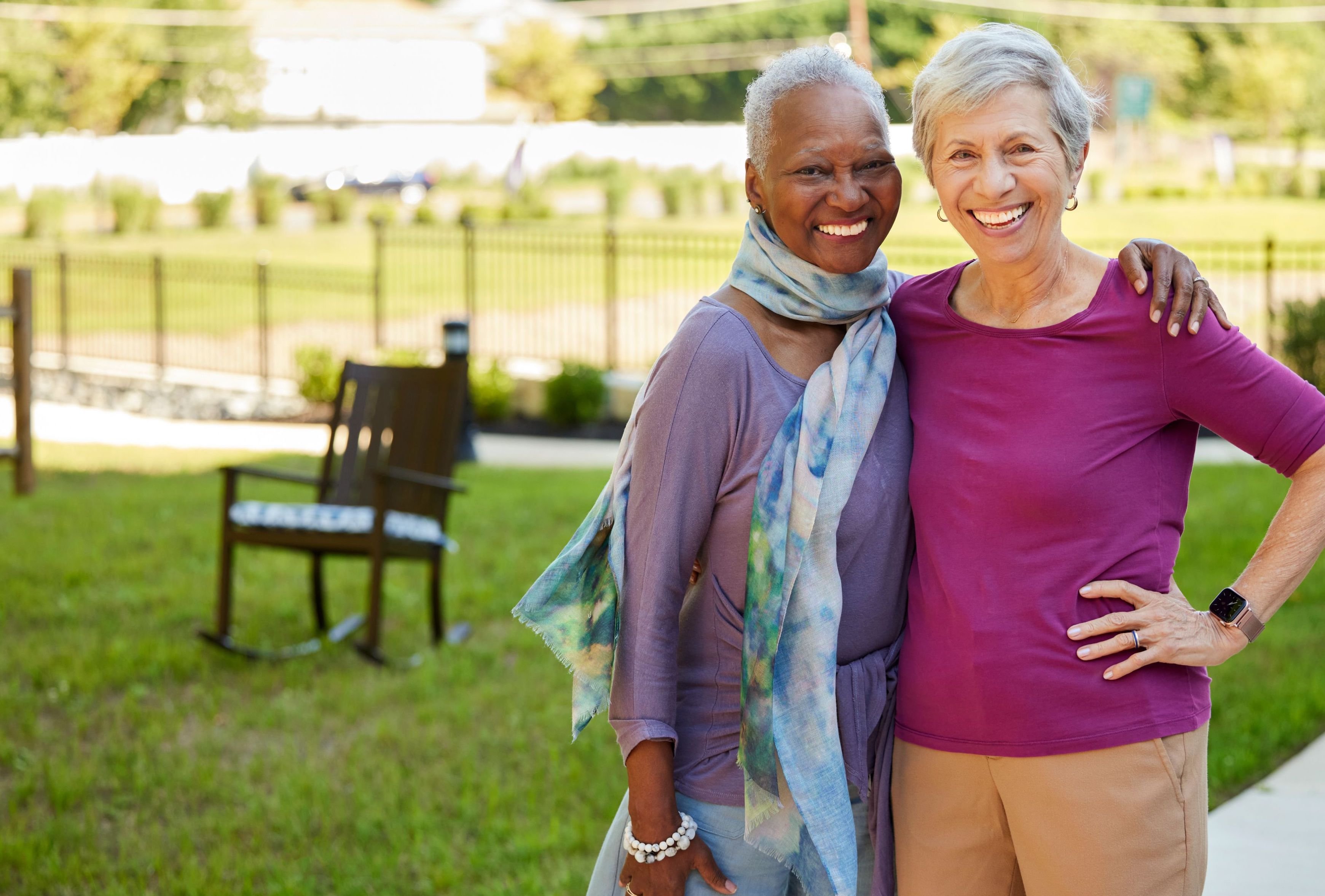
Assisted living in Gambrills, MD, breaks this cycle completely. At communities like Arbor Terrace Waugh Chapel, isolation isn't possible. Residents encounter friendly faces multiple times every day simply by walking to the dining room to enjoy award-winning service, attending an activity, or relaxing in a common area.
Arbor Terrace Waugh Chapel's Approach to Social Engagement
Understanding why socialization matters is one thing. Creating an environment where meaningful connections flourish naturally is another. Arbor Terrace Waugh Chapel's approach centers on making social engagement effortless, varied, and genuinely enjoyable.
Deep Connections Philosophy
At the heart of Arbor Terrace Waugh Chapel's culture is a relationship-centered care philosophy called Deep Connections. This isn't about simply keeping residents busy with activities. It's about staff members genuinely knowing each person—their life story, their interests, their preferences, their personality.
Caregivers don't just perform tasks. They build meaningful relationships and tailor their support to each individual. When staff know that Margaret taught piano for forty years, they can have real conversations about music. When they understand that Robert served in the Navy, they connect on shared experiences and values.
This personal attention creates a close-knit, family atmosphere where residents feel known and valued as unique individuals. Unlike institutional settings where residents become anonymous faces, Arbor Terrace fosters genuine connections between staff, residents, and families.
A Packed Social Calendar
Life at Arbor Terrace Waugh Chapel stays engaging through monthly activity calendars packed with events, clubs, and outings. With over 50 different activities scheduled in a typical week, every resident finds multiple options that appeal to their interests.
The variety ensures that whether you're artistic, athletic, intellectual, spiritual, or social, you'll find your people and your passions. Creative residents join art classes, crafting workshops, or quilting groups. Music lovers enjoy live performances, choir, karaoke nights, and resident-led bands. Faith-focused residents attend devotional services or receive transportation to their chosen places of worship.
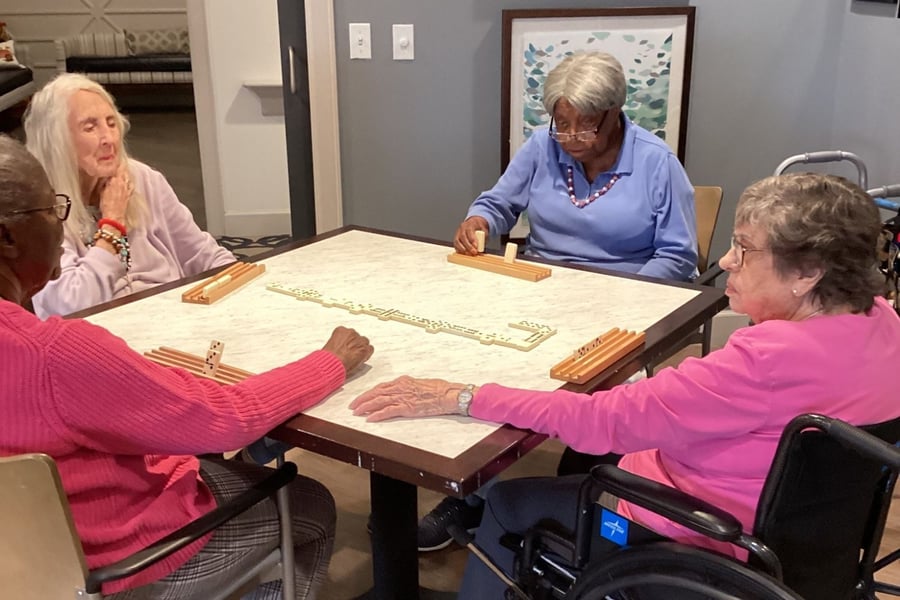
Physically active options include chair yoga, stretching and balance classes, Wii bowling tournaments, walking clubs, and gardening in raised beds designed for accessibility. Cognitive enrichment happens through trivia games, brain fitness programs, book clubs, and current events discussions.
Group Dining Experiences
Meals provide some of the most important social opportunities in any day. Arbor Terrace Waugh Chapel's restaurant-style dining room becomes a gathering place where residents share not just food but conversation, laughter, and connection.
The community recognizes that meals are more than nutrition. They're social engagement opportunities. Residents can choose to dine with friends they've made, invite family members to join them, or make new connections by sitting at different tables.
This shared dining experience combats the isolation that often develops when seniors eat alone at home. Food tastes better in company. Conversations stimulate minds. The routine of gathering for meals creates structure and something to look forward to each day.
Wellness Programs That Build Bonds
Health and wellness programs at Arbor Terrace Waugh Chapel incorporate social elements intentionally. Exercise classes work better when you're encouraging neighbors. Walking clubs provide built-in companionship. Gardening becomes collaborative rather than solitary.
The Engaged Lifestyle framework ensures residents have opportunities across all wellness dimensions—Art & Education, Deep Connections, Health & Wellness, Purposeful Living, Recreation & Leisure, and Spiritual Journey. By balancing these areas, the community helps residents remain not just busy but genuinely fulfilled.
Staff actively seek resident input when planning activities, ensuring personal interests are represented. Because the team learns about lifelong passions and goals, residents often accomplish things they never thought possible on their own. The supportive environment and camaraderie empower trying new activities and rekindling old hobbies.
Intergenerational Programs
Some of the most meaningful connections happen across generations. Arbor Terrace Waugh Chapel partners with local schools and community groups for intergenerational programming. These interactions benefit everyone involved—children gain wisdom and perspective while residents feel valued and engaged with the broader community.
Pet therapy visits, holiday celebrations with local families, and volunteer opportunities that connect residents with the Gambrills community all reinforce that moving to assisted living doesn't mean disconnection from the outside world. It means enhanced connection with support and structure that makes participation easier.
The Local Gambrills Advantage
Location significantly impacts socialization opportunities. Arbor Terrace Waugh Chapel's position in Gambrills offers unique advantages for staying connected.
The community sits adjacent to Waugh Chapel Towne Centre, a large shopping and dining hub. This proximity means residents and their families can easily visit restaurants, catch movies at the AMC IMAX theater, or shop at Wegmans together. These ordinary activities become valuable time spent with visiting loved ones rather than complicated outings requiring extensive planning.
The Gambrills location also places residents near Crofton, Odenton, and the broader Anne Arundel County area. Being centrally positioned between Baltimore, Annapolis, and Washington, D.C. means family members can visit frequently without marathon drives. Regular visits from adult children and grandchildren become natural parts of weekly routines rather than special occasions requiring significant coordination.
Transportation services ensure residents can participate in community life beyond the campus. Scheduled trips to local parks, farmers' markets, restaurants, theaters, and shopping make staying connected to familiar places effortless.
Beyond Activities: Creating Community Culture
What truly sets communities apart isn't the number of activities scheduled—it's the culture those activities help create. Arbor Terrace Waugh Chapel's atmosphere is often described as upbeat, inclusive, and family-like.
New residents are warmly welcomed by both staff and their future neighbors. This immediate acceptance helps people adjust quickly and start building friendships from day one. Regular resident council meetings give everyone a voice in community life. Theme days like Hawaiian Luaus, Cinco De Mayo, or 50's Sock Hops bring variety and fun. Happy hours with music and appetizers become weekly favorites where residents relax together.
The community invites family members to many events—holiday dinners, summer barbecues, and off-site outings—fostering an intergenerational atmosphere. Pets on campus, both residents' companions and visiting therapy animals, add to the homelike environment.
Staff describe the community feeling like "one big family," and that spirit shows in the laughter filling the dining room and the conversations happening in cozy lounges. Residents look out for one another, celebrating achievements and offering support during challenges. This neighborly culture makes Arbor Terrace Waugh Chapel not just a place to live but truly a place to belong.
Frequently Asked Questions
What happens if my loved one is naturally introverted and doesn't enjoy group activities?
Introverts thrive at Arbor Terrace Waugh Chapel, too. The variety of activities means you can find small-group options or quieter pursuits like book clubs, art classes, or gardening rather than large social events. Simply living in a community provides natural social interaction without forcing participation in every activity. Even quiet meals in the dining room offer gentle socialization with familiar faces.
How does the community prevent cliques or ensure new residents make friends?
Staff actively facilitate introductions and help new residents find activities matching their interests, where they'll meet like-minded neighbors. The welcoming culture means established residents naturally include newcomers. With such diverse programming, residents often belong to multiple social circles based on different interests rather than one exclusive group.
Can family members participate in activities with residents?
Absolutely. Families are encouraged to join meals, attend special events, and participate in activities with their loved ones. Many programs specifically welcome family involvement. This shared participation creates meaningful time together and helps families feel connected to their loved one's daily life.
How does socialization help with depression or anxiety that my loved one already experiences?
Regular social interaction, structured routines, and a sense of belonging all help reduce depression and anxiety symptoms. Having neighbors who become friends provides natural support systems. Activities offer distraction, purpose, and joy. The predictable rhythm of community life reduces uncertainty that often fuels anxiety. Many families report significant improvement in their loved one's mood and outlook after moving to assisted living.
What if my loved one has dementia—can they still benefit from socialization?
Social engagement benefits people at all stages of cognitive decline. The community's Bridges program specifically supports early-stage dementia with specially trained staff facilitating appropriate social interactions. Even in more advanced stages, residents respond positively to music, familiar activities, and gentle social contact. Socialization may not reverse dementia, but it significantly improves quality of life and can slow symptom progression.
Key Takeaways
-
Social isolation poses serious health risks, including increased cognitive decline, depression, physical health problems, and premature death
-
Regular social engagement protects brain health, with research showing lonely seniors are 2.5 times more likely to develop dementia than those with strong social connections
-
Deep Connections philosophy at Arbor Terrace Waugh Chapel means staff genuinely know residents as individuals, building relationships rather than simply completing tasks
-
Diverse activity programming with 50+ weekly options ensures every resident finds engagement matching their interests, abilities, and personality
-
Group dining experiences transform meals from solitary necessities into enjoyable social occasions that combat isolation
-
Intergenerational programs and community partnerships keep residents connected to the broader Gambrills community beyond the campus
-
Family-like culture creates genuine belonging where residents support one another, and staff interact like extended family members
Finding Community That Feels Like Family
Choosing assisted living means selecting more than just a safe place with good care. It means finding a community where your loved one will build friendships, discover renewed purpose, and experience the social connections that are fundamental to human wellbeing.
At Arbor Terrace Waugh Chapel in Gambrills, Maryland, socialization isn't an afterthought or optional add-on. It's woven into every aspect of daily life, from the relationship-centered care philosophy to the packed activity calendars to the welcoming culture that makes every resident feel they belong.
Backed by The Arbor Company's 30+ years of senior living expertise, Arbor Terrace Waugh Chapel understands that quality care addresses not just physical needs but emotional, social, and spiritual well-being too. The result is a community where residents don't just survive—they genuinely thrive.
For families in Anne Arundel County navigating the transition to assisted living, seeing is believing. The warmth of the welcome, the laughter in common areas, and the genuine connections between residents and staff all communicate what words alone cannot capture.
Ready to experience how community engagement transforms assisted living? Schedule a tour at Arbor Terrace Waugh Chapel to experience the difference that relationship-centered care and vibrant social programming make. Visit during a meal or activity to see residents engaged, connected, and enjoying all that life in this award-winning community has to offer.