
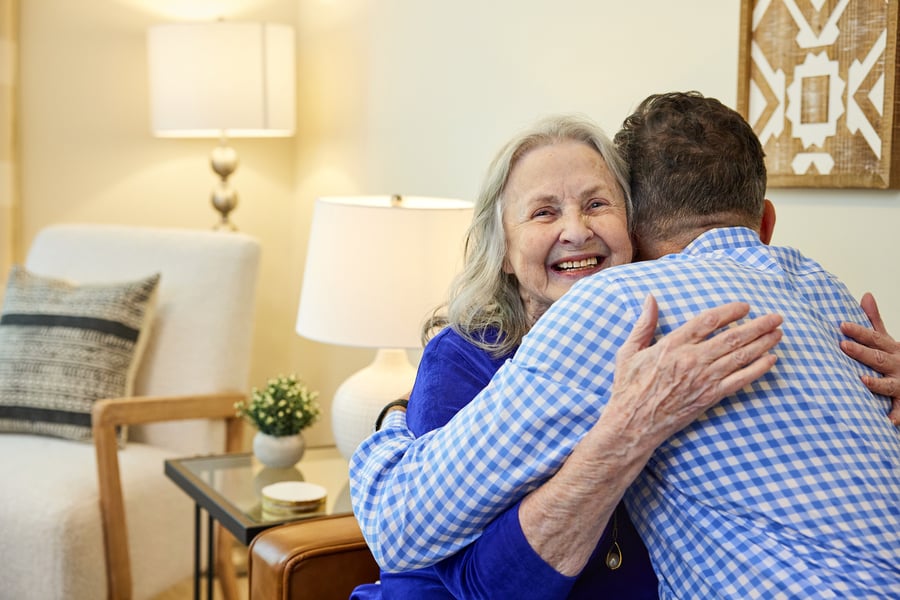
You keep a mental checklist running at all times. Did Mom refill her prescriptions? Has anyone checked on Dad since Tuesday? Is the house too warm, too cold, too quiet? The questions don't stop just because you live in a different city or a different time zone. And the hardest part isn't always the logistics. It's the feeling that you should be there, and you're not.
If this sounds familiar, you're far from alone. Many Americans provide care for an aging family member who lives at least an hour away. Many of these caregivers are managing careers, raising families, and carrying the emotional weight of being the one who stepped into the coordinator role, even from a distance.
Here's what's worth saying clearly: living far away does not mean you're failing your parent. What matters isn't proximity. It's presence, and presence can take many forms.
Reframe What Caregiving Looks Like From a Distance
Somewhere along the way, caregiving became synonymous with being physically present. Cooking meals, driving to doctor appointments, sitting beside someone every evening. Those things matter, of course.
But caregiving is also researching medication side effects at midnight. It's coordinating with a physician's office over the phone. It's managing finances, arranging repairs, and being the person your parent calls when they're scared.
Long-distance caregiving isn't lesser caregiving. It's different caregiving. The sooner you release the idea that you need to do everything in person, the sooner you can focus your energy on the things that actually help your parent stay safe and well.
Put a Trusted Team in Place Locally
No one can do this alone, and that's especially true when you're far away. One of the most productive things you can do is build a small, reliable network of people near your parent.
Consider these roles:
-
A geriatric care manager. These professionals (sometimes called aging life care managers) can serve as your eyes, ears, and advocate on the ground. They can attend medical appointments, assess your parent's living space for safety risks, and give you honest updates.
-
Your parent's primary care physician. Make sure you're listed as an authorized contact so the care team can speak with you directly. This saves time and prevents miscommunication.
-
A trusted neighbor or friend. Having someone nearby who can check in casually is invaluable. A neighbor who waves hello and notices when the mail is piling up is sometimes more helpful than a formal care plan.
Choose Technology That Connects Without Controlling
Technology can be a lifeline for long-distance families, but only if it's used thoughtfully. The goal is connection, not surveillance. Your parent should feel supported, not monitored.
A few tools worth exploring:
-
Video calling apps like FaceTime or Zoom let you read body language and pick up on cues a phone call might miss. Even a short, regular video chat can ease anxiety on both sides.
-
Medication management apps or smart pill dispensers can send reminders and alert you if a dose is missed.
-
Fall-detection wearables offer peace of mind without requiring your parent to call for help themselves.
-
Smart devices like motion sensors or smart plugs can provide subtle check-ins. For example, a sensor on the coffee maker lets you know your parent is up and moving in the morning without a single intrusive phone call.
The key is choosing tools your parent is comfortable with. The fanciest system in the world doesn't help if it sits unused in a drawer. Want to learn more about how technology is making senior care more connected? Explore our guide on How Digital Tools and Technology Are Transforming Senior Living.
When You Visit, Balance Purpose With Presence
Visits are precious when you live far away, and it's tempting to pack every trip with tasks: doctor appointments, paperwork, repairs, grocery runs. Some of that is necessary. But if every visit becomes a whirlwind of problem-solving, your parent starts to associate your arrival with stress rather than comfort.
Try splitting your visits into two categories:
-
Practical goals. Pick two or three things you want to accomplish. Maybe it's organizing financial documents, meeting with a care provider, or installing grab bars in the bathroom. Getting legal documents in order is one of the most impactful things you can accomplish during a visit. Our Step-by-Step Guide to Legal Planning for Seniors walks you through exactly what you need.
-
Unhurried time together. Leave space for a slow lunch, a walk around the neighborhood, or just sitting together watching a favorite show. These moments remind both of you why you're doing all of this in the first place.
Talk to Siblings Before Resentment Builds
If you have siblings, especially ones who live closer to your parent, the division of caregiving responsibilities can become a source of real tension. The family member who lives nearby may feel they carry the daily burden. The one far away may feel shut out of decisions. Both feelings are valid.
The best time to have this conversation is before frustration boils over. Be specific about what each person can take on. Maybe one sibling handles local appointments while another manages finances and insurance from afar. Maybe a third contributes financially instead of with time. There's no single right arrangement, but there has to be an honest one.
For a framework on how to have these sensitive family conversations, download our free guide, Talking to Your Family About Senior Care and Living.
The Financial Side Deserves Attention, Too
Long-distance caregiving comes with costs that aren't always obvious: travel expenses, time off work, and sometimes direct financial support for your parent's care. It's worth knowing that some caregiving expenses may be tax-deductible, especially if your parent qualifies as your dependent. Consulting with a tax professional who understands eldercare can help you take advantage of any available relief.
Beyond taxes, make sure essential financial and legal documents are accessible to you remotely. Power of attorney, healthcare directives, insurance policies, and bank account information should all be organized and stored somewhere you can reach them quickly if needed.
Distance Doesn't Define Your Devotion
Guilt is one of the most common emotions long-distance caregivers carry. It can whisper that you're not doing enough, that a good family member would move closer, that your parent deserves more than phone calls and weekend visits.
But love isn't measured in miles. It's measured in the calls you make, the plans you put in place, and the nights you spend researching options so your parent can be safe and well. You're doing more than you think, and it matters more than you know.
If you're wondering whether your parent might benefit from more structured support, our guide 10 Signs Your Parent Could Benefit from Assisted Living can help you assess the situation, even from a distance.
