

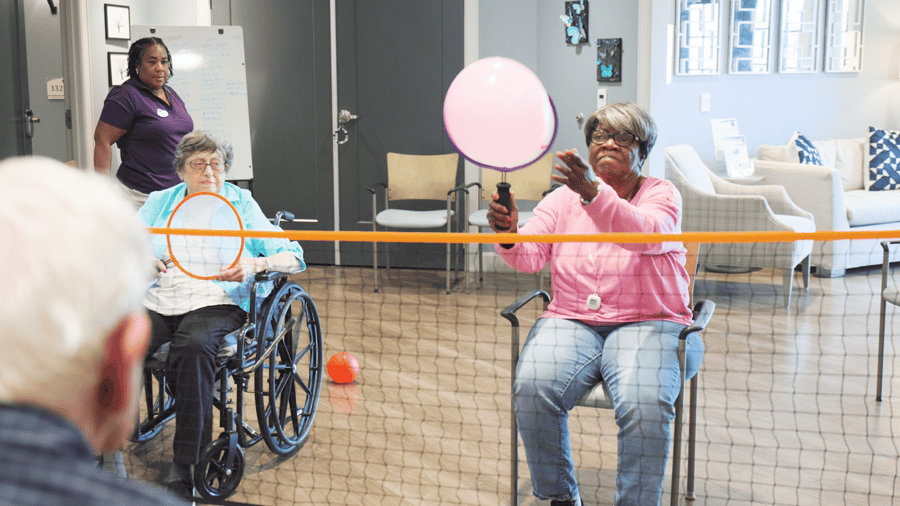
What if someone told you that your brain is still building new connections right now, regardless of whether you're 72 or 87? For a long time, even scientists didn't believe that was true. But a landmark 2022 study published in Nature Medicine confirmed something remarkable: the brain's hippocampus, the region responsible for learning and memory, continues producing new cells throughout life.
That's not just a hopeful headline. It's an invitation. It means the choices you make each day—what you eat for lunch, whether you take a walk, how well you sleep tonight—can actively shape how your brain functions in the years ahead.
For families in the Gambrills, Crofton, and greater Anne Arundel County area, understanding these habits can be a powerful step toward supporting a loved one's cognitive wellness, or your own.
What Happens on Your Plate Matters to Your Brain
Most conversations about brain health start with puzzles and memory games. But researchers increasingly point to something more fundamental: food.
The MIND diet—a hybrid of the Mediterranean and DASH diets—was developed specifically to support brain health. Early research suggests that older adults who closely followed the MIND diet had a 53% lower risk of developing Alzheimer's disease. Even those who followed it only moderately saw a 35% reduction.
So what does the MIND diet emphasize?
-
Leafy greens (at least six servings per week)
-
Berries, especially blueberries and strawberries
-
Nuts, particularly walnuts
-
Whole grains and beans
-
Fish at least once a week
-
Olive oil as the primary cooking fat
It also recommends limiting red meat, butter, cheese, pastries, and fried food.
The good news is that these changes don't have to be dramatic. Swapping one meal a day toward this pattern can make a meaningful difference over time. For older adults who find meal planning challenging, even small, consistent shifts in grocery shopping and cooking habits can add up.
Movement Changes the Brain at a Cellular Level
Exercise isn't just about heart health or staying mobile. Physical activity triggers the release of a protein called BDNF (brain-derived neurotrophic factor), which supports the survival of existing neurons and encourages new ones to grow. Think of it as fertilizer for your brain.
A 2023 meta-analysis in the British Journal of Sports Medicine found that even 150 minutes per week of moderate activity—walking, swimming, light cycling—was associated with a 28% lower risk of dementia.
You don't need a gym membership or a marathon on your calendar. Consider:
-
A daily 20-minute walk through your neighborhood in Bowie, Davidsonville, or Edgewater
-
Chair yoga or seated stretching routines
-
Gardening, which combines gentle movement with outdoor sensory engagement
-
Dancing, which adds the cognitive challenge of learning steps and rhythms
The key is consistency. Brains respond to regular movement the way muscles respond to training—gradually, reliably, and cumulatively.
Your Social Calendar Is a Brain Health Strategy
Loneliness is more than an emotional challenge—it's a cognitive one. A 2020 report from the National Academies of Sciences, Engineering, and Medicine found that social isolation significantly increases the risk of dementia, with effects comparable to smoking 15 cigarettes a day.
Conversation, laughter, group activities, and even casual daily interactions stimulate multiple brain regions simultaneously. When you chat with a neighbor, your brain is processing language, reading facial expressions, recalling shared memories, and generating emotional responses—all at once.
For seniors living alone in areas like Glen Burnie, Crownsville, or Annapolis, maintaining a robust social life can be difficult, especially after losing a spouse or when driving becomes less comfortable. That's one reason many families explore senior communities in Anne Arundel County—not out of medical necessity, but because consistent social connection is one of the most effective cognitive protections available.
Stimulate Your Brain With Variety, Not Just Repetition
Here's something many people get wrong about brain exercise: doing the same crossword puzzle every morning isn't enough. Cognitive stimulation works best when it introduces novelty and challenge. Your brain needs to encounter something unfamiliar to build new pathways.
Effective cognitive activities include:
-
Learning a new language (even basic vocabulary counts)
-
Playing a musical instrument for the first time
-
Strategy games like chess, bridge, or mahjong
-
Creative pursuits such as painting, writing, or cooking a new recipe
-
Reading across different genres—switching from mystery novels to history or science
A 2023 study in JAMA Neurology found that older adults who engaged in mentally stimulating activities at least three to four times per week had significantly slower rates of cognitive decline compared to those who were less cognitively active.
The principle is simple: when your brain has to work a little harder, it stays a little stronger.
Sleep and Stress: The Foundation Underneath Everything Else
You can eat perfectly, exercise daily, and socialize constantly—but if you're not sleeping well or managing stress, your brain is fighting an uphill battle.
During deep sleep, the brain activates its glymphatic system—essentially a waste-removal process that clears out toxic proteins, including beta-amyloid, which is associated with Alzheimer's disease. Research from the University of Rochester found that this cleaning system is nearly 10 times more active during sleep than during waking hours.
For better sleep after 70:
-
Keep a consistent wake-up time, even on weekends
-
Limit screen exposure in the hour before bed
-
Keep the bedroom cool and dark
-
Avoid caffeine after noon
Chronic stress, meanwhile, floods the brain with cortisol, which can damage the hippocampus over time. Effective stress management doesn't require anything exotic—deep breathing, time in nature, prayer or meditation, and simply talking to someone you trust can all lower cortisol levels.
When to Pay Closer Attention
Brain health habits are about building resilience, not guaranteeing immunity. If you or a family member notice persistent changes in memory, confusion with familiar tasks, or difficulty following conversations, it's worth having a conversation with a healthcare provider. These changes don't always signal something serious, but early evaluation provides clarity and peace of mind.
Your Brain Is Still Growing
The science is clear: cognitive wellness in your 70s and 80s isn't just about genetics or luck. It's shaped by daily decisions—what you eat, how you move, who you spend time with, what challenges you take on, and how well you rest.
None of these habits require perfection. They just require consistency and a willingness to keep showing up for your brain the way you'd show up for any other part of your health.
For families in the Gambrills and greater Anne Arundel County area who want to learn more, download our free Visual Guide for Keeping an Older Mind Sharp—it's full of practical strategies you can start using right away.